 VeriMom
di(t-butylcyclohexyl) peroxydicarbonate hamilelikte güvenli mi?
Reviewed by VeriMom Editorial Team · Last reviewed
İçerikler
di(t-butylcyclohexyl) peroxydicarbonate
BILINEN RISK YOK93
/100
0
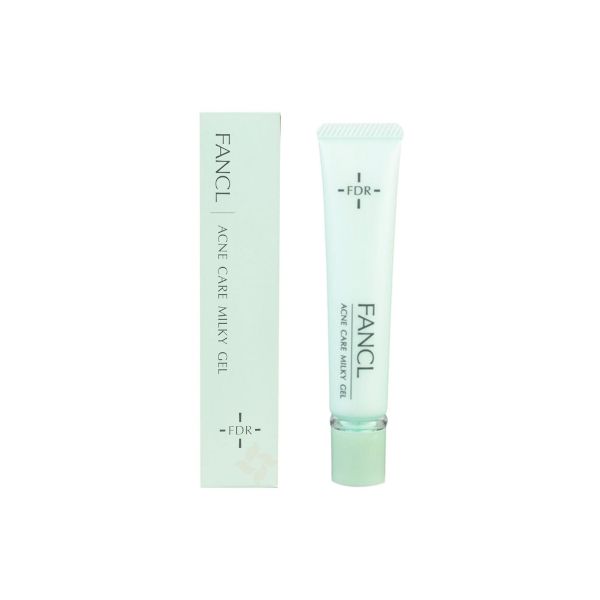
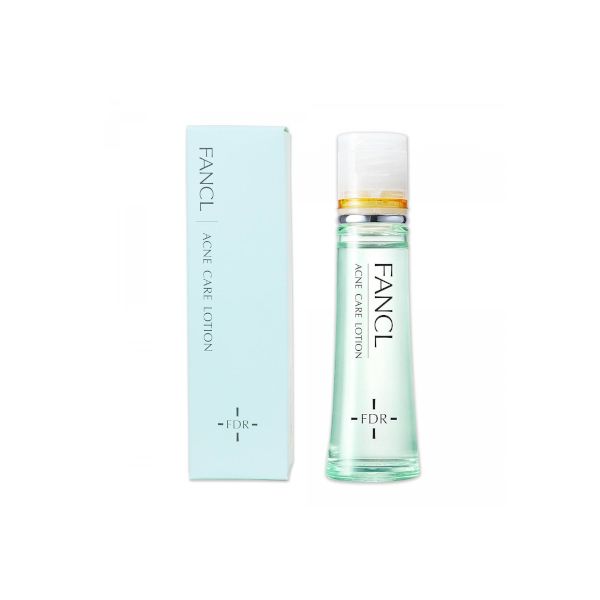
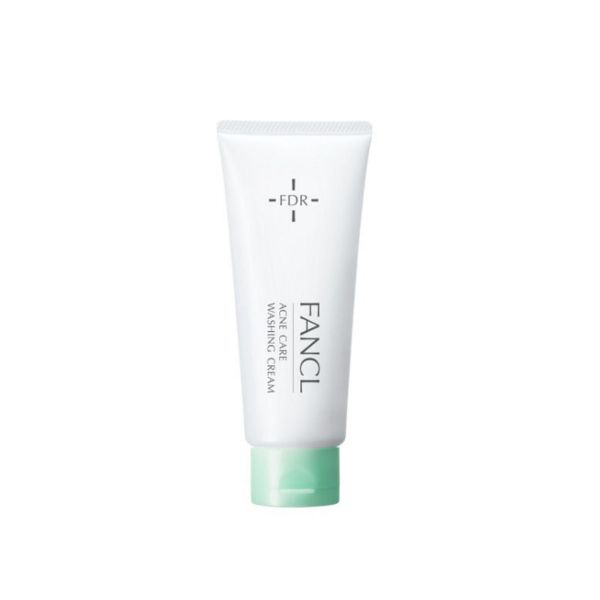
Pregnancy-safe products containing di(t-butylcyclohexyl) peroxydicarbonate
Related ingredients
Ayrıca bakın
Sources & references
Authoritative references used to score this ingredient.
Frequently asked questions
- di(t-butylcyclohexyl) peroxydicarbonate hamilelikte güvenli mi?
- No harmonised reproductive classification (no H360/H361) found on ECHA brief/profile or registration dossier; no SCCS or CIR safety opinion located. Available toxicology in the ECHA registration and supplier SDSs describe acute/irritation and organic‑peroxide hazards (flammability, decomposition) but do not report reproductive or developmental toxicity studies. Given the lack of reproductive hazard evidence but potential for dermal absorption of organic esters in industrial formulations, exposure (e) is scored as 1 (low but measurable) for topical use in pregnancy. Sources: ECHA registration/brief profile and IUCLID sections; supplier SDSs.
- di(t-butylcyclohexyl) peroxydicarbonate emzirirken güvenli mi?
- Same evidence base as for pregnancy: no reproductive or lactation-specific data or regulatory reproductive classifications identified (no SCCS/CIR opinions, no harmonised H361/H360). Therefore hazard and mechanism default to 0. Exposure scored 1 (low but measurable) reflecting potential dermal uptake; no data on breastmilk transfer found.
- di(t-butylcyclohexyl) peroxydicarbonate bebek cildi için güvenli mi?
- No infant- or developmental‑toxicity data were located. Following the instructions to increase exposure for baby skin when adult absorption is measurable, exposure is increased by +1 (adult e=1 → baby e=2). Hazard and mechanism remain 0 due to lack of any reproductive/developmental evidence or specific infant toxicity data. Note: peroxydicarbonates are used industrially as polymerization initiators and carry physical hazards (instability, decomposition) in SDSs but that does not equate to reproductive hazard.
- VeriMom di(t-butylcyclohexyl) peroxydicarbonate nasıl puanlıyor?
- VeriMom di(t-butylcyclohexyl) peroxydicarbonate'yi EU CosIng, ECHA sınıflandırmaları ve PubMed çalışmalarına göre 93/100 (bilinen risk yok) olarak puanlar.
- Hamilelikte di(t-butylcyclohexyl) peroxydicarbonate yerine neler kullanılabilir?
- Benzer işlevli ve bilinen riski olmayan alternatifleri içeren listemize bakın.
Kendi cilt bakım ürünlerini kontrol et
Herhangi bir ürünün içindekiler listesini ücretsiz kontrol aracımıza yapıştır ve her bileşeni AB düzenleyici verileri ve hakemli araştırmalara göre puanlanmış olarak gör.
Gebelikte güvenli içerik denetleyicisini açHer etiketi 2 saniyede kontrol et
VeriMom'u ücretsiz indirin — herhangi bir ürünü tarayın ve hamilelik güvenlik puanını anında görün.
Tıbbi Sorumluluk Reddi
Bu bilgiler yalnızca eğitim amaçlıdır ve tıbbi tavsiye niteliği taşımaz. Güvenlik puanları kamuya açık verilere dayanmaktadır ve tüm riskleri yansıtmayabilir. Hamilelik veya emzirme döneminde herhangi bir ürünü kullanmadan önce her zaman sağlık uzmanınıza danışın.