 VeriMom
(cnidium officinale/coptis chinensis/glycyrrhiza uralensis) root extract hamilelikte güvenli mi?
No harmonised reproductive classification was identified in ECHA Annex VI for this ingredient name, and there are no CIR or SCCS safety assessments specific to the (Cnidium officinale / Coptis chinensis / Glycyrrhiza uralensis) root extract mixture. Available cosmetic/regulatory databases (CosIng, ECHA) and the general ingredient records (PubChem) do not list a CLP reproductive hazard or an SCCS/CIR restriction for topical cosmetic use, and no consistent human teratogenic signal in the regulatory literature was found.
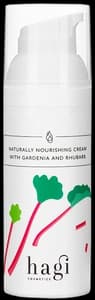
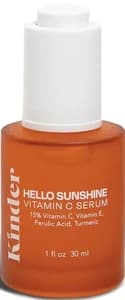
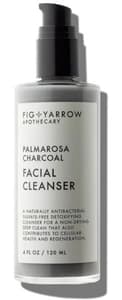
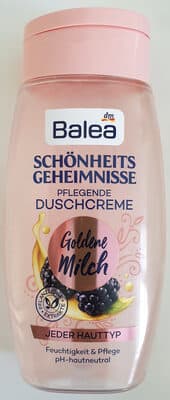
Pregnancy-safe products containing (cnidium officinale/coptis chinensis/glycyrrhiza uralensis) root extract
Related ingredients
Frequently asked questions
- (cnidium officinale/coptis chinensis/glycyrrhiza uralensis) root extract hamilelikte güvenli mi?
- No harmonised reproductive classification was identified in ECHA Annex VI for this ingredient name, and there are no CIR or SCCS safety assessments specific to the (Cnidium officinale / Coptis chinensis / Glycyrrhiza uralensis) root extract mixture. Available cosmetic/regulatory databases (CosIng, ECHA) and the general ingredient records (PubChem) do not list a CLP reproductive hazard or an SCCS/CIR restriction for topical cosmetic use, and no consistent human teratogenic signal in the regulatory literature was found.
- (cnidium officinale/coptis chinensis/glycyrrhiza uralensis) root extract emzirirken güvenli mi?
- As for pregnancy: no harmonised CLP reproductive/menace classification or authoritative CIR/SCCS restriction was identified for this cosmetic extract mixture. There is no regulatory evidence that topical use leads to systemic levels known to affect lactation or present risks to breastfed infants.
- (cnidium officinale/coptis chinensis/glycyrrhiza uralensis) root extract bebek cildi için güvenli mi?
- No specific reproductive or developmental hazard classification was found for this extract. Topical absorption from cosmetics is generally low for plant extracts, but infant skin has higher permeability; therefore exposure rating for baby skin is increased by +1 to reflect the greater potential for measurable absorption in 0–3 y.o. versus adults (no infant-specific toxicology data located).
- VeriMom (cnidium officinale/coptis chinensis/glycyrrhiza uralensis) root extract nasıl puanlıyor?
- VeriMom (cnidium officinale/coptis chinensis/glycyrrhiza uralensis) root extract'yi EU CosIng, ECHA sınıflandırmaları ve PubMed çalışmalarına göre 100/100 (bilinen risk yok) olarak puanlar.
- Hamilelikte (cnidium officinale/coptis chinensis/glycyrrhiza uralensis) root extract yerine neler kullanılabilir?
- Benzer işlevli ve bilinen riski olmayan alternatifleri içeren listemize bakın.
Her etiketi 2 saniyede kontrol et
VeriMom'u ücretsiz indirin — herhangi bir ürünü tarayın ve hamilelik güvenlik puanını anında görün.
Tıbbi Sorumluluk Reddi
Bu bilgiler yalnızca eğitim amaçlıdır ve tıbbi tavsiye niteliği taşımaz. Güvenlik puanları kamuya açık verilere dayanmaktadır ve tüm riskleri yansıtmayabilir. Hamilelik veya emzirme döneminde herhangi bir ürünü kullanmadan önce her zaman sağlık uzmanınıza danışın.