 VeriMom
bioflavonoids hamilelikte güvenli mi?
Reviewed by VeriMom Editorial Team · Last reviewed
İçerikler
bioflavonoids
BILINEN RISK YOK93
/100
0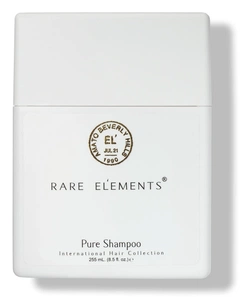
Pregnancy-safe products containing bioflavonoids
RARE EL'EMENTS
RARE EL'EMENTS Pure Shampoo
99/100
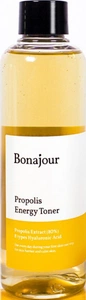
BONAJOUR
BONAJOUR Propolis Energy Toner
98/100
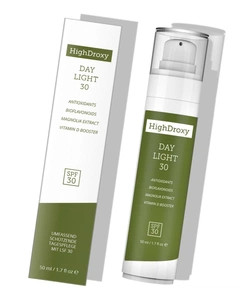
HighDroxy
HighDroxy Day Light 30
98/100
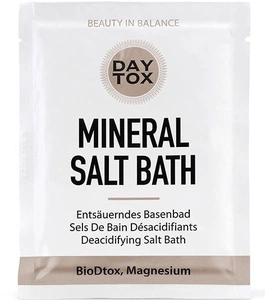
Daytox
Daytox Mineral Salt Bath
98/100
Fitline
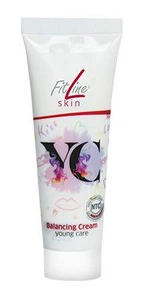
Fitline Young Care Balancing Cream
98/100
P.Calm
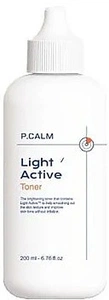
P.Calm Light Active Toner
98/100
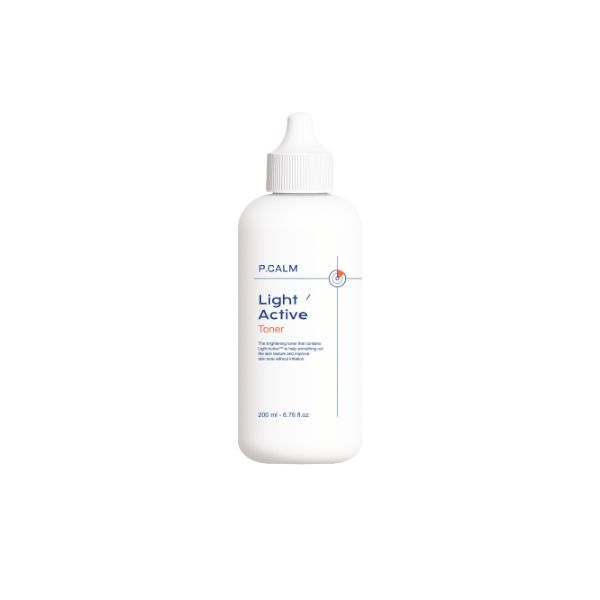
P.CALM Light Active Toner - 200ml
98/100
Daytox
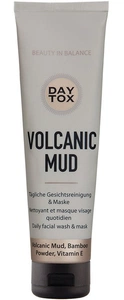
Daytox Volcanic Mud
98/100
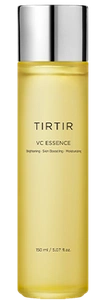
Tir Tir
Tir Tir VC Essence
98/100
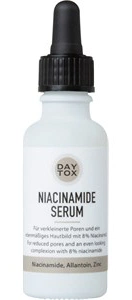
Daytox
Daytox Niacinamide Serum
98/100
Related ingredients
Ayrıca bakın
Sources & references
Authoritative references used to score this ingredient.
Frequently asked questions
- bioflavonoids hamilelikte güvenli mi?
- No harmonised CLP classification or SCCS/CIR reproductive hazard was identified for CAS 61788-55-4 (bioflavonoids). The Cosmetic Ingredient Review assessment of citrus-derived ingredients (covers flavonoids from citrus) treats these ingredients as safe as used in cosmetics, and regulatory INCI/COSING listings treat “Bioflavonoids (flavonoids, lemon oil)” as a botanical extract/INCI, not a classified reproductive toxicant. Topical absorption for flavonoid extracts is possible but generally low at cosmetic use concentrations, so exposure from normal topical cosmetic use is low but measurable. ([cir-safety.org](https://www.cir-safety.org/sites/default/files/cfruit122015rep.pdf?utm_source=openai))
- bioflavonoids emzirirken güvenli mi?
- No evidence found of a breastfeeding-specific reproductive or lactation hazard for this INCI/CAS. Regulatory reviews (CIR) and COSING list bioflavonoids as cosmetic ingredients without reproductive classification; peer‑reviewed literature on citrus flavonoids (e.g., hesperidin/naringin) mainly reports pharmacologic/antioxidant effects or protective effects in animal models rather than human teratogenicity or lactation toxicity. Topical exposure during breastfeeding would be expected to be low but measurable. ([cir-safety.org](https://www.cir-safety.org/sites/default/files/cfruit122015rep.pdf?utm_source=openai))
- bioflavonoids bebek cildi için güvenli mi?
- No infant-specific reproductive/toxicological flags or harmonised classifications were identified. Following the requested scoring rules, because adult topical exposure is low but measurable (e=1), infant skin exposure is increased by +1 due to immature barrier and higher surface‑area‑to‑weight, giving e=2. No infant-specific hazard or mechanism data were found to increase h or m. ([cir-safety.org](https://www.cir-safety.org/sites/default/files/cfruit122015rep.pdf?utm_source=openai))
- VeriMom bioflavonoids nasıl puanlıyor?
- VeriMom bioflavonoids'yi EU CosIng, ECHA sınıflandırmaları ve PubMed çalışmalarına göre 93/100 (bilinen risk yok) olarak puanlar.
- Hamilelikte bioflavonoids yerine neler kullanılabilir?
- Benzer işlevli ve bilinen riski olmayan alternatifleri içeren listemize bakın.
Kendi cilt bakım ürünlerini kontrol et
Herhangi bir ürünün içindekiler listesini ücretsiz kontrol aracımıza yapıştır ve her bileşeni AB düzenleyici verileri ve hakemli araştırmalara göre puanlanmış olarak gör.
Gebelikte güvenli içerik denetleyicisini açHer etiketi 2 saniyede kontrol et
VeriMom'u ücretsiz indirin — herhangi bir ürünü tarayın ve hamilelik güvenlik puanını anında görün.
Tıbbi Sorumluluk Reddi
Bu bilgiler yalnızca eğitim amaçlıdır ve tıbbi tavsiye niteliği taşımaz. Güvenlik puanları kamuya açık verilere dayanmaktadır ve tüm riskleri yansıtmayabilir. Hamilelik veya emzirme döneminde herhangi bir ürünü kullanmadan önce her zaman sağlık uzmanınıza danışın.