 VeriMom
alkanna tinctoria root extract hamilelikte güvenli mi?
Reviewed by VeriMom Editorial Team · Last reviewed
İçerikler
alkanna tinctoria root extract
BILINEN RISK YOK100
/100
0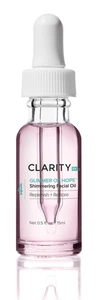
Pregnancy-safe products containing alkanna tinctoria root extract
Clarity Rx
Clarity Rx Glimmer Of Hope™ Shimmering Facial Oil
99/100
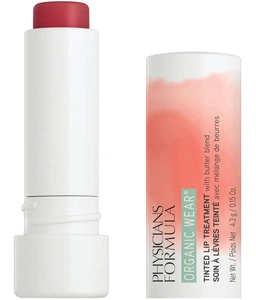
physicians formula
Physicians Formula Organic Wear Tinted Lip Treatment - Love Bite
99/100
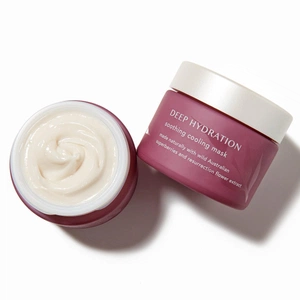
Tropic
Tropic Deep Hydration Mask
98/100
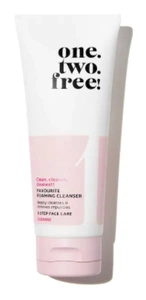
one.two.free!
one.two.free! Favourite Foaming Cleanser
98/100
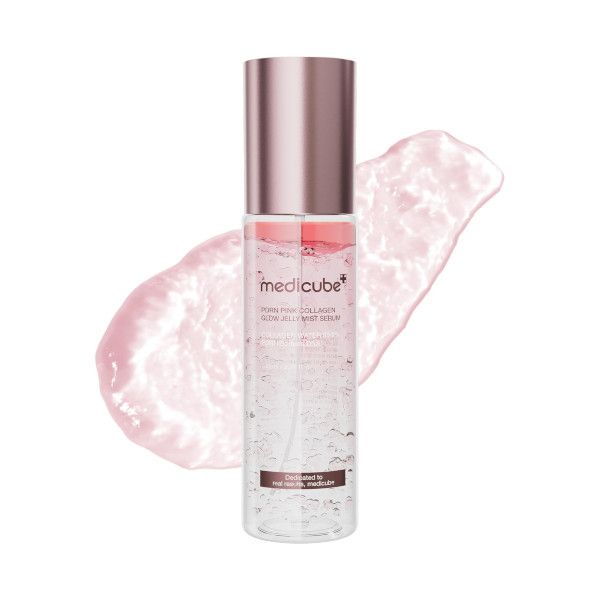
Medicube
medicube PDRN Pink Collagen Glow Jelly Mist Serum - 100ml
98/100
Heremco Pharmaceuticals
Heremco Pharmaceuticals Histoplastin Red
98/100
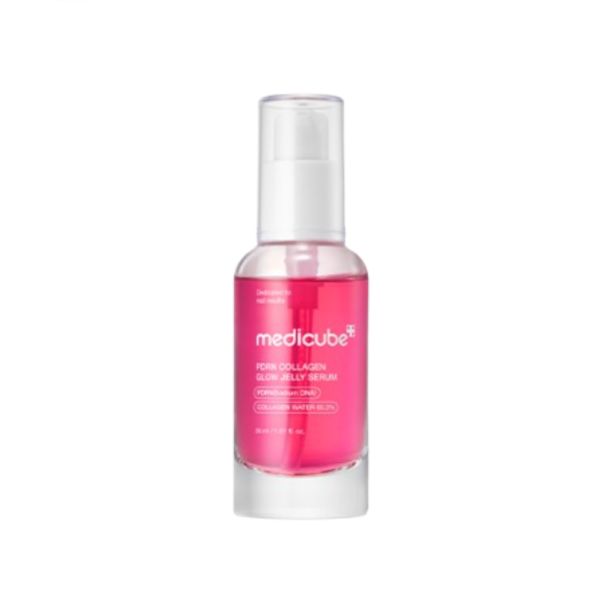
Medicube
medicube PDRN Collagen Glow Jelly Serum - 30ml
98/100
Beauty Glam
Beauty Glam Deeply Nourishing Mask
98/100
Dallas & James Skincare Co.
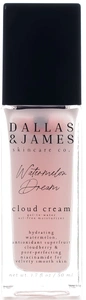
Dallas & James Skincare Co. Watermelon Dream Cloud Cream
98/100
Freshly Cosmetics
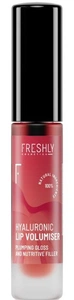
Freshly Cosmetics Hyaluronic Lip Volumiser
98/100
Related ingredients
Ayrıca bakın
Sources & references
Authoritative references used to score this ingredient.
Frequently asked questions
- alkanna tinctoria root extract hamilelikte güvenli mi?
- No harmonised CLP reproductive classification (ECHA Annex VI) or SCCS/CIR safety assessment identifying reproductive hazard for Alkanna tinctoria root extract (CAS 517-88-4). Peer‑review literature reports bioactivity of isolated constituents (alkannin/shikonin) but does not provide clear in vivo developmental/teratogenic human or animal evidence to support a reproductive hazard; therefore default no evidence (h=0, m=0). No data showing significant dermal systemic absorption from cosmetic use (e=0). Sources: ECHA Annex VI (no harmonised CLP listed for this extract), PubChem (no GHS H360/H361 entry for the extract), PubMed (in vitro bioactivity of shikonin noted but no reproductive in vivo confirmation), CosIng/EWG listings do not indicate regulatory reproductive flags.
- alkanna tinctoria root extract emzirirken güvenli mi?
- No regulatory or authoritative assessment (SCCS/CIR/ECHA Annex VI) indicating that Alkanna tinctoria root extract is a reproductive or lactation hazard. No well‑documented evidence of transfer into milk or of lactation-related adverse effects in humans; isolated constituent data (shikonin/alkannin) show bioactivity in vitro but do not demonstrate proven lactation/offspring harm. Exposure from topical cosmetic use is not documented to produce significant systemic levels (sources as above).
- alkanna tinctoria root extract bebek cildi için güvenli mi?
- No infant‑specific reproductive or developmental toxicity data found. There is no authoritative classification or safety opinion (SCCS/CIR/ECHA Annex VI) identifying a hazard to infants. Because there is no documented measurable systemic absorption from typical topical cosmetic use, the exposure score for baby skin is not increased. Note: isolated constituents (alkannin/shikonin) have in vitro biological activity, but infant‑specific absorption or toxicity data are lacking.
- VeriMom alkanna tinctoria root extract nasıl puanlıyor?
- VeriMom alkanna tinctoria root extract'yi EU CosIng, ECHA sınıflandırmaları ve PubMed çalışmalarına göre 100/100 (bilinen risk yok) olarak puanlar.
- Hamilelikte alkanna tinctoria root extract yerine neler kullanılabilir?
- Benzer işlevli ve bilinen riski olmayan alternatifleri içeren listemize bakın.
Her etiketi 2 saniyede kontrol et
VeriMom'u ücretsiz indirin — herhangi bir ürünü tarayın ve hamilelik güvenlik puanını anında görün.
Tıbbi Sorumluluk Reddi
Bu bilgiler yalnızca eğitim amaçlıdır ve tıbbi tavsiye niteliği taşımaz. Güvenlik puanları kamuya açık verilere dayanmaktadır ve tüm riskleri yansıtmayabilir. Hamilelik veya emzirme döneminde herhangi bir ürünü kullanmadan önce her zaman sağlık uzmanınıza danışın.