 VeriMom
10-hydroxydecenoic acid hamilelikte güvenli mi?
10‑Hydroxydecenoic acid (10‑HDA; major fatty acid in royal jelly, CAS 765-01-5) has no harmonised CLP reproductive classification (ECHA Annex VI) and no SCCS or CIR safety finding indicating reproductive hazard. Peer‑reviewed literature shows bioactivity but no clear animal or human evidence of teratogenicity or fertility effects; mechanistic endocrine activity relevant to reproduction is not established. Topical cosmetic use would give low but measurable systemic exposure for adults (low molecular weight acid, some dermal penetration reported for royal jelly components). Sources: ECHA Annex VI (no harmonised classification), PubChem, PubMed (royal jelly/10‑HDA literature), CosIng.
Pregnancy-safe products containing 10-hydroxydecenoic acid

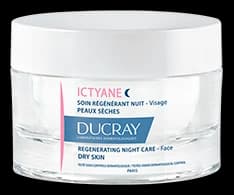

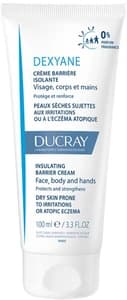

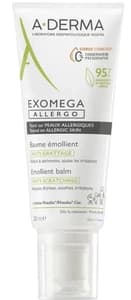


Related ingredients
Frequently asked questions
- 10-hydroxydecenoic acid hamilelikte güvenli mi?
- 10‑Hydroxydecenoic acid (10‑HDA; major fatty acid in royal jelly, CAS 765-01-5) has no harmonised CLP reproductive classification (ECHA Annex VI) and no SCCS or CIR safety finding indicating reproductive hazard. Peer‑reviewed literature shows bioactivity but no clear animal or human evidence of teratogenicity or fertility effects; mechanistic endocrine activity relevant to reproduction is not established. Topical cosmetic use would give low but measurable systemic exposure for adults (low molecular weight acid, some dermal penetration reported for royal jelly components). Sources: ECHA Annex VI (no harmonised classification), PubChem, PubMed (royal jelly/10‑HDA literature), CosIng.
- 10-hydroxydecenoic acid emzirirken güvenli mi?
- No evidence of reproductive or lactation-specific hazard; no harmonised classification or authoritative contraindication. Systemic exposure from topical use is expected to be low but measurable; therefore small amounts could theoretically reach milk, but no data indicate risk. Sources: ECHA Annex VI (no harmonised classification), PubChem, PubMed.
- 10-hydroxydecenoic acid bebek cildi için güvenli mi?
- There is no evidence that 10‑HDA is a reproductive toxicant or has a defined mechanism affecting infant development. However, because infant skin has a higher surface‑area‑to‑bodyweight ratio and a less mature barrier, exposure score is increased by +1 versus adults (adult e=1 → infant e=2). No infant‑specific toxicity or sensitization data were identified in authoritative safety assessments. Sources: ECHA Annex VI (no harmonised classification), PubChem, PubMed, CosIng.
- VeriMom 10-hydroxydecenoic acid nasıl puanlıyor?
- VeriMom 10-hydroxydecenoic acid'yi EU CosIng, ECHA sınıflandırmaları ve PubMed çalışmalarına göre 93/100 (bilinen risk yok) olarak puanlar.
- Hamilelikte 10-hydroxydecenoic acid yerine neler kullanılabilir?
- Benzer işlevli ve bilinen riski olmayan alternatifleri içeren listemize bakın.
Her etiketi 2 saniyede kontrol et
VeriMom'u ücretsiz indirin — herhangi bir ürünü tarayın ve hamilelik güvenlik puanını anında görün.
Tıbbi Sorumluluk Reddi
Bu bilgiler yalnızca eğitim amaçlıdır ve tıbbi tavsiye niteliği taşımaz. Güvenlik puanları kamuya açık verilere dayanmaktadır ve tüm riskleri yansıtmayabilir. Hamilelik veya emzirme döneminde herhangi bir ürünü kullanmadan önce her zaman sağlık uzmanınıza danışın.