 VeriMom
HIGH RISK
Hamilelikte p-chlorophenol kullanmaktan kaçınmalı mıyım? | VeriMom
Reviewed by VeriMom Editorial Team · Last reviewed
ECHA regulatory hazard statements
- •H361
What to use instead
Pregnancy-safe ingredients that serve a similar function:
Pregnancy-safe products to use instead
Products built around the safer ingredients above, scored "no known risks" or "low risk".
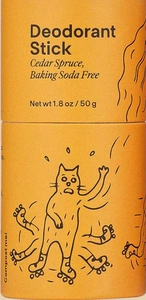
Mew mew tweet
100Mew mew tweet Cedar Spruce Baking Soda Free
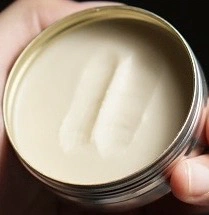
Avero
100Avero Solid Deodorant
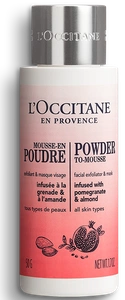
L'Occitane
100L´Occitane Powder To-mousse Facial Exfoliator
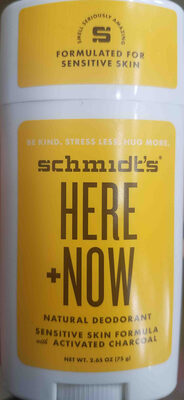
Unknown
100schmidts here now
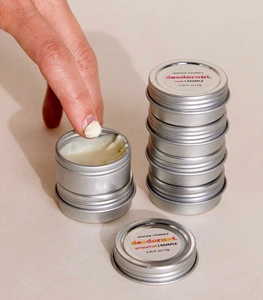
Sustain Yourself
100Sustain Yourself Natural Deodorant
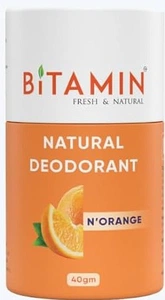
Bitamin
100Bitamin Natural Deodorant N'orange
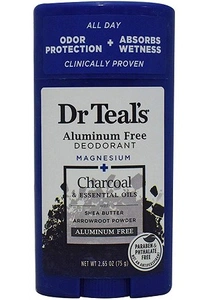
Dr Teals's
99Dr Teals's Aluminum Free Deodorant Charcoal
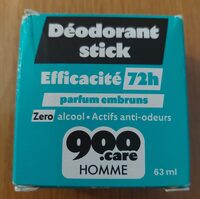
900care
99Déodorant stick parfum embruns
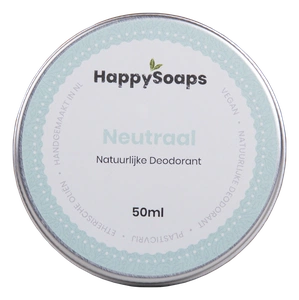
HappySoaps
99Happysoaps Neutraal
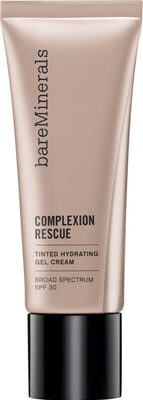
bareMinerals
99Complexion Rescue Tinted Hydrating Gel Cream Broad Spectrum SPF 30
Sources & references
Authoritative references used to score this ingredient.
Hamilelikte p-chlorophenol yerine kullanılabilecek güvenli alternatifler | VeriMom
İçerikler — İçerikler
Ayrıca bakın
FAQ
- p-chlorophenol hamilelikte güvenli mi?
- Animal reproductive/developmental effects have been reported for monochlorophenols (including 4‑chlorophenol) in repeated dosing studies (ATSDR review of chlorophenols; REACH registration data note reproductive endpoints), so this meets 'suspected' (H361-style) concern but there is no harmonised H360 (confirmed human teratogen) or high‑quality human pregnancy data. Mechanistically there is not a well‑characterized reproductive mode-of-action for 4‑chlorophenol (hence a low/theoretical mechanism score). Dermal/topical exposure is plausible (low–measurable absorption given low molecular weight and log Pow ~2.4) so exposure from cosmetics is judged low but measurable for adults.
- p-chlorophenol emzirirken güvenli mi?
- Because reproductive/developmental effects are reported in animal studies, the residue/transfer concern for breast‑fed infants is classified as 'suspected' (consistent with H361–level evidence). There are no specific lactation/milk‑transfer studies for 4‑chlorophenol identified in authoritative reviews. Expected systemic exposure from typical topical cosmetic use is low but measurable, so exposure to nursing infants via maternal systemic absorption is possible but likely low.
- p-chlorophenol bebek cildi için güvenli mi?
- The hazard score remains 'suspected' based on the same animal reproductive/developmental data (no infant‑specific evidence to upscore hazard). Mechanistic evidence is limited. Exposure score is increased by +1 for baby skin (per your rules) because 4‑chlorophenol has physicochemical properties (low MW, log Pow ~2.39) consistent with measurable dermal absorption — infants have increased skin permeability and surface‑area‑to‑weight, so exposure from topical use on 0–3 yr skin is moderate/greater than adult.
- VeriMom p-chlorophenol nasıl puanlıyor?
- VeriMom p-chlorophenol'yi EU CosIng, ECHA sınıflandırmaları ve PubMed çalışmalarına göre 27/100 (yüksek risk) olarak puanlar.
- Hamilelikte p-chlorophenol yerine neler kullanılabilir?
- Benzer işlevli ve bilinen riski olmayan alternatifleri içeren listemize bakın.
Her etiketi 2 saniyede kontrol et
VeriMom'u ücretsiz indirin — herhangi bir ürünü tarayın ve hamilelik güvenlik puanını anında görün.
Tıbbi Sorumluluk Reddi
Bu bilgiler yalnızca eğitim amaçlıdır ve tıbbi tavsiye niteliği taşımaz. Güvenlik puanları kamuya açık verilere dayanmaktadır ve tüm riskleri yansıtmayabilir. Hamilelik veya emzirme döneminde herhangi bir ürünü kullanmadan önce her zaman sağlık uzmanınıza danışın.