 VeriMom
Hamilelikte azadirachta indica bark/seed extract kullanmaktan kaçınmalı mıyım? | VeriMom
Reviewed by VeriMom Editorial Team · Last reviewed
ECHA regulatory hazard statements
- •H361D
What to use instead
Pregnancy-safe ingredients that serve a similar function:
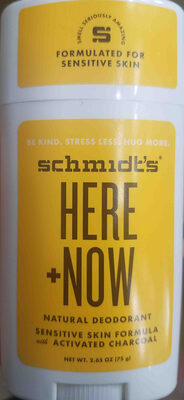
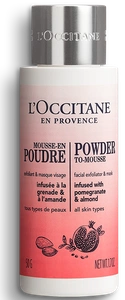
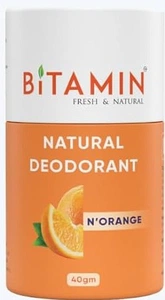
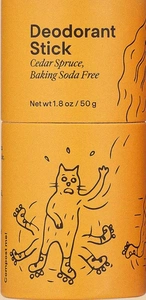
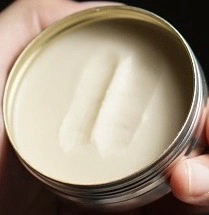
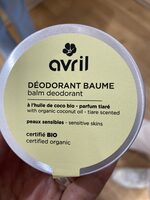
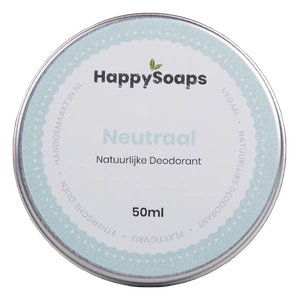
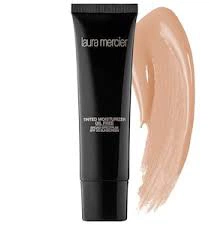
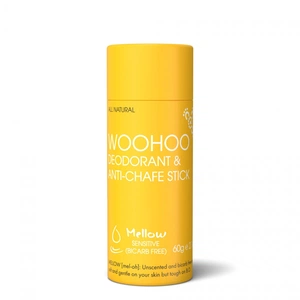
Pregnancy-safe products to use instead
Products built around the safer ingredients above, scored "no known risks" or "low risk".
Sources & references
Authoritative references used to score this ingredient.
Hamilelikte azadirachta indica bark/seed extract yerine kullanılabilecek güvenli alternatifler | VeriMom
İçerikler — İçerikler
Ayrıca bakın
FAQ
- azadirachta indica bark/seed extract hamilelikte güvenli mi?
- ECHA/EU harmonised classification (Annex VI / Commission implementing entries) lists margosa extract (from kernels of Azadirachta indica, CAS 84696-25-3, specific extraction) with H361d (suspected toxic to reproduction) and H317 (skin sensitiser), which supports h=2 (suspected). Animal studies report developmental/reproductive effects (rodent studies of neem extracts showing fetal abnormalities and maternal/fetal endpoints), supporting a demonstrable mechanism related to bioactive limonoids (azadirachtin) rather than purely theoretical concerns. For topical cosmetic use systemic absorption is expected to be low but measurable, so exposure is graded as low (adult e=1). (Sources: ECHA harmonised CLP documents; rodent maternal/fetal studies.).
- azadirachta indica bark/seed extract emzirirken güvenli mi?
- Same regulatory harmonised classification (H361d) applies and animal reproductive/developmental data indicate reproductive/developmental effects, so h remains 2. Mechanistic concern (azadirachtin/limonoids affecting reproductive biology) is demonstrated in animal models. Topical use leads to low but measurable systemic exposure in adults; therefore breastfeeding exposure is considered low (e=1) but not negligible — nursing infants could be secondarily exposed if systemic transfer occurs. No clear human lactation studies were located.
- azadirachta indica bark/seed extract bebek cildi için güvenli mi?
- Hazard (h=2) driven by harmonised H361d listing for margosa/kernel extracts and supporting animal reproductive/developmental data. Mechanism (m=2) based on demonstrated reproductive/developmental effects of neem/seed extracts in animal studies implicating azadirachtin/limonoids. Exposure score increased by +1 for infants versus adults because infant skin has higher absorption and immature barrier; therefore e=2 for baby skin when applied topically. Note: harmonised classification explicitly refers to kernel extracts prepared by specified extraction methods — different parts (bark vs kernels) and extraction methods can alter composition and thus risk; this distinction is a critical data gap.
- VeriMom azadirachta indica bark/seed extract nasıl puanlıyor?
- VeriMom azadirachta indica bark/seed extract'yi EU CosIng, ECHA sınıflandırmaları ve PubMed çalışmalarına göre 20/100 (yüksek risk) olarak puanlar.
- Hamilelikte azadirachta indica bark/seed extract yerine neler kullanılabilir?
- Benzer işlevli ve bilinen riski olmayan alternatifleri içeren listemize bakın.
Kendi cilt bakım ürünlerini kontrol et
Herhangi bir ürünün içindekiler listesini ücretsiz kontrol aracımıza yapıştır ve her bileşeni AB düzenleyici verileri ve hakemli araştırmalara göre puanlanmış olarak gör.
Gebelikte güvenli içerik denetleyicisini açHer etiketi 2 saniyede kontrol et
VeriMom'u ücretsiz indirin — herhangi bir ürünü tarayın ve hamilelik güvenlik puanını anında görün.
Tıbbi Sorumluluk Reddi
Bu bilgiler yalnızca eğitim amaçlıdır ve tıbbi tavsiye niteliği taşımaz. Güvenlik puanları kamuya açık verilere dayanmaktadır ve tüm riskleri yansıtmayabilir. Hamilelik veya emzirme döneminde herhangi bir ürünü kullanmadan önce her zaman sağlık uzmanınıza danışın.