 VeriMom
xylitol hamilelikte güvenli mi?
Reviewed by VeriMom Editorial Team · Last reviewed
İçerikler
xylitol
BILINEN RISK YOK93
/100
0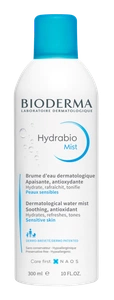
Pregnancy-safe products containing xylitol
Bioderma
Bioderma Hydrabio Mist
100/100
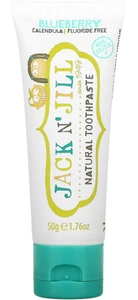
Jack N' Jill
Jack N' Jill Toothpaste
99/100
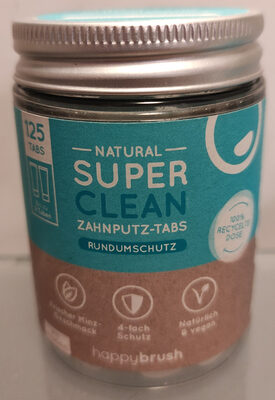
happybrush
Natural Super Clean Zahnputz-Tabs
99/100
oral-care
Unknown
Hello Mouth Wash
99/100
Licor del Polo
Licor del Polo Bio
99/100
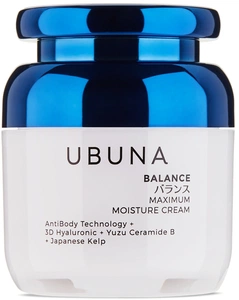
Ubuna
Ubuna Balance Maximum Moisture Cream
99/100
open beauty facts
Unknown
shampoo
99/100
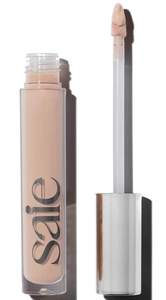
SAIE
SAIE Hydrabeam Brightening + Hydrating Under Eye Concealer
99/100
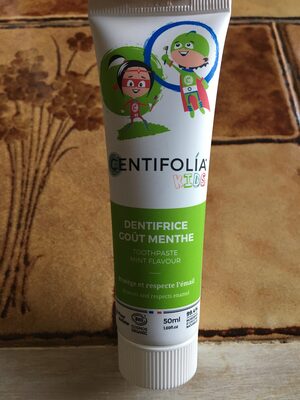
Centifolia
Dentifrice Goût Menthe
99/100
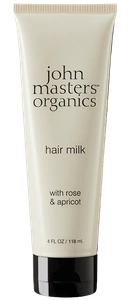
John masters organics
John Masters Organics Hair Milk With Rose & Apricot
99/100
Related ingredients
Ayrıca bakın
Sources & references
Authoritative references used to score this ingredient.
Frequently asked questions
- xylitol hamilelikte güvenli mi?
- No harmonised reproductive classification (ECHA Annex VI) and no credible evidence of teratogenicity or reproductive toxicity in the regulatory and peer-reviewed literature for xylitol; used safely in foods and cosmetics. Dermal/topical absorption of xylitol is low but measurable due to its small, hydrophilic nature, so exposure from topical cosmetic use is low (adult e=1). Sources: ECHA Annex VI (no harmonised CLP for reproductive toxicity), CIR (no safety concern for cosmetic use), PubChem, PubMed literature on xylitol safety.
- xylitol emzirirken güvenli mi?
- No evidence that xylitol is a reproductive or lactation hazard; systemic toxicity is low and xylitol is widely used orally (food/gum) without signals for breast-feeding harm. Topical maternal cosmetic use would give low systemic exposure, so breastmilk exposure from cosmetics is expected to be negligible to low. Sources: CIR, PubMed, PubChem, ECHA (no harmonised reproductive flags).
- xylitol bebek cildi için güvenli mi?
- No evidence of developmental or reproductive toxicity for xylitol. For infant (0–3 yr) skin, immature barrier and higher surface-area-to-weight mean measurable dermal absorption is increased versus adults; therefore exposure score increased by +1 (adult e=1 → baby e=2). Topical cosmetic use as a humectant/skin-conditioning agent is not associated with reproductive hazard. Sources: CosIng (use as humectant/skin conditioning), ECHA (no harmonised CLP), PubMed/CIR safety evaluations.
- VeriMom xylitol nasıl puanlıyor?
- VeriMom xylitol'yi EU CosIng, ECHA sınıflandırmaları ve PubMed çalışmalarına göre 93/100 (bilinen risk yok) olarak puanlar.
- Hamilelikte xylitol yerine neler kullanılabilir?
- Benzer işlevli ve bilinen riski olmayan alternatifleri içeren listemize bakın.
Kendi cilt bakım ürünlerini kontrol et
Herhangi bir ürünün içindekiler listesini ücretsiz kontrol aracımıza yapıştır ve her bileşeni AB düzenleyici verileri ve hakemli araştırmalara göre puanlanmış olarak gör.
Gebelikte güvenli içerik denetleyicisini açHer etiketi 2 saniyede kontrol et
VeriMom'u ücretsiz indirin — herhangi bir ürünü tarayın ve hamilelik güvenlik puanını anında görün.
Tıbbi Sorumluluk Reddi
Bu bilgiler yalnızca eğitim amaçlıdır ve tıbbi tavsiye niteliği taşımaz. Güvenlik puanları kamuya açık verilere dayanmaktadır ve tüm riskleri yansıtmayabilir. Hamilelik veya emzirme döneminde herhangi bir ürünü kullanmadan önce her zaman sağlık uzmanınıza danışın.