 VeriMom
tartaric acid은 임신 중 안전한가요?
Reviewed by VeriMom Editorial Team · Last reviewed
성분
tartaric acid
알려진 위험 없음100
/100
0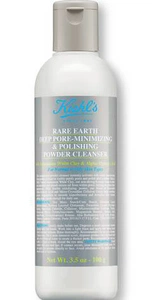
Pregnancy-safe products containing tartaric acid
moisturizers
Williams
Tortilla Home Style Soup Mix, Tortilla
100/100
Kiehl's
Kiehl’s Rare Earth Deep Pore-minimizing Polishing Powder Cleanser
100/100
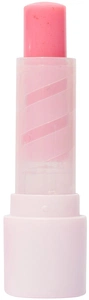
Glow Recipe
Glow Recipe Watermelon Glow Lip Pop
99/100
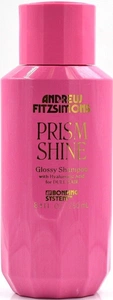
Andrew Fitzsimons
Andrew Fitzsimons Prism Shampoo
99/100
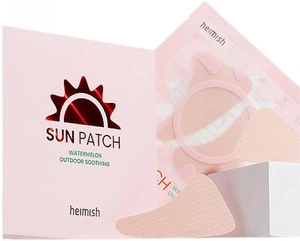
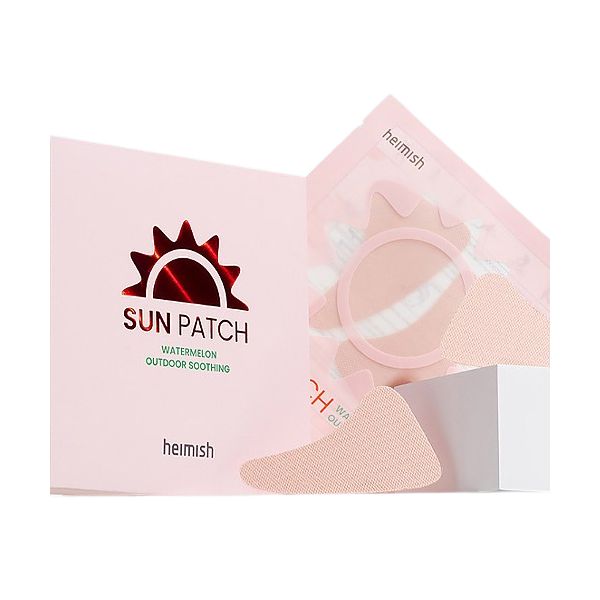
Heimish
Heimish Watermelon Outdoor Soothing Sun Patch
99/100
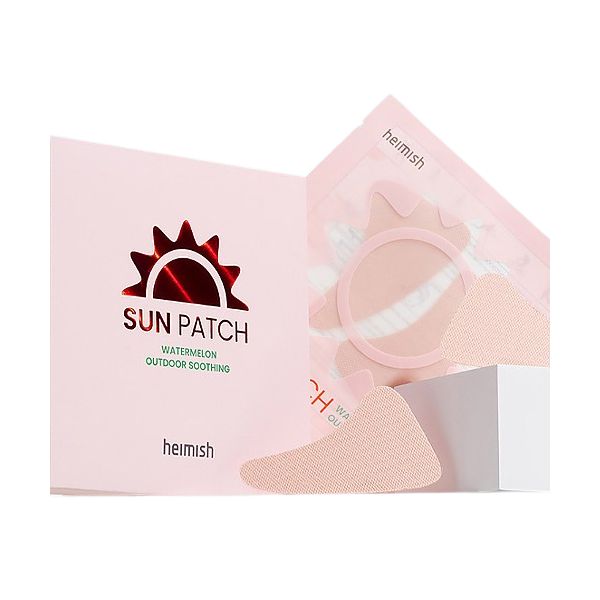
Heimish
heimish Watermelon Outdoor Soothing Sun Patch - 5 sets
99/100
heimish Watermelon Outdoor Soothing Sun Patch - 5 sets
99/100
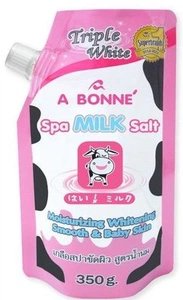
A BONNÉ
A BONNÉ Spa Milk Salt
99/100
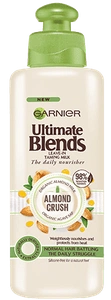
Garnier
Garnier Almond Milk & Agave Sap Normal Hair Leave In Conditioner
98/100
БІОКОН
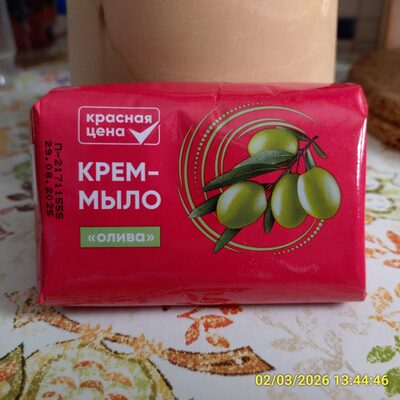
Крем-мыло туалетное «Олива» Красная цена
98/100
Related ingredients
더 보기
Sources & references
Authoritative references used to score this ingredient.
Frequently asked questions
- tartaric acid은 임신 중 안전한가요?
- Tartaric acid is not harmonised for reproductive toxicity under CLP (ECHA Annex VI) and has no SCCS/CIR reproductive restriction; toxicology literature (PubMed/PubChem summaries) does not report teratogenicity or human reproductive hazard. CIR/CosIng and authoritative toxicology databases list it as a commonly used acidifying/chelating agent with no reproductive classification, supporting a default no‑hazard conclusion.
- tartaric acid은 모유 수유 중 안전한가요?
- No evidence of reproductive or lactation-specific toxicity, no harmonised classification, and no reports of transfer into breast milk in available summaries (PubChem/ECHA/CIR); systemic exposure from normal cosmetic topical use is expected to be negligible.
- tartaric acid은 아기 피부에 안전한가요?
- Hazard and mechanism: no infant‑specific reproductive/toxic findings identified. Exposure: tartaric acid is water‑soluble and not completely non‑absorbable topically, so by the scoring rules infant exposure is increased by +1 relative to adult (adult e=0 → infant e=1) due to higher surface‑area‑to‑weight and immature barrier, although absolute systemic uptake after normal cosmetic use is expected to be low.
- VeriMom은 tartaric acid을 어떻게 평가하나요?
- VeriMom은 EU CosIng, ECHA 분류, PubMed 연구를 기반으로 tartaric acid을 100/100 (알려진 위험 없음)로 평가합니다.
- 임신 중 tartaric acid 대체 안전 성분은?
- 유사한 기능을 가진 알려진 위험이 없는 대체 성분 목록을 확인하세요.
내 화장품을 직접 확인하세요
제품의 전성분 목록을 무료 검사기에 붙여넣으면 EU 규제 데이터와 동료 심사 연구를 바탕으로 각 성분의 점수를 확인할 수 있습니다.
임신 중 안전 성분 검사기 열기모든 성분표를 2초 만에 확인
VeriMom 무료 다운로드 — 어떤 제품이든 스캔해 임신 중 안전 점수를 즉시 확인하세요.
의료 면책 조항
이 정보는 교육 목적으로만 제공되며 의학적 조언을 구성하지 않습니다. 안전 점수는 공개적으로 이용 가능한 데이터를 기반으로 하며 모든 위험을 반영하지 않을 수 있습니다. 임신 중 또는 수유 중 제품을 사용하기 전에 항상 의료 전문가와 상담하십시오.