 VeriMom
salix nigra bark extract é seguro durante a gravidez?
Reviewed by VeriMom Editorial Team · Last reviewed
Ingredientes
salix nigra bark extract
RISCO BAIXO87
/100
0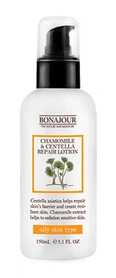
Pregnancy-safe products containing salix nigra bark extract
BONAJOUR
BONAJOUR Chamomile & Centella Repair Skin
88/100
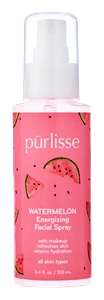
Purlisse
Purlisse Watermelon Energizing Facial Spray
88/100
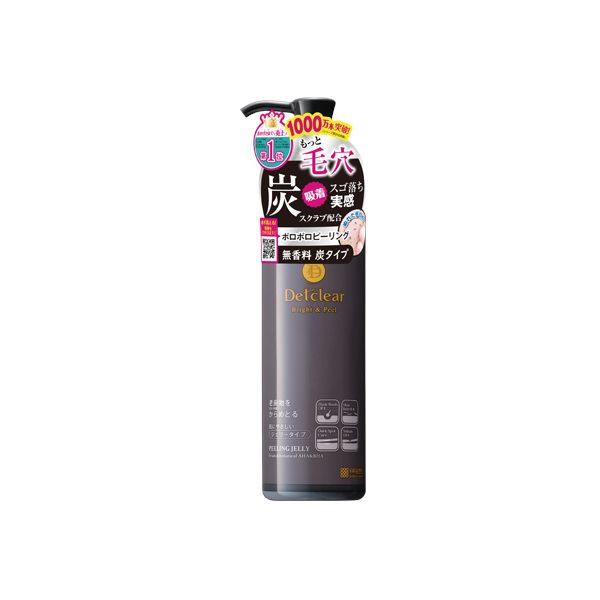
Meishoku Brilliant Colors Detclear Bright & Peel Peeling Jelly - 180ml
88/100
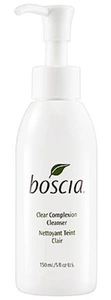
boscia
BOSCIA Clear Complexion Cleanser
88/100
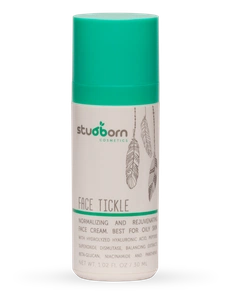
Stubborn Cosmetics
Stubborn Cosmetics Face Tickle
88/100
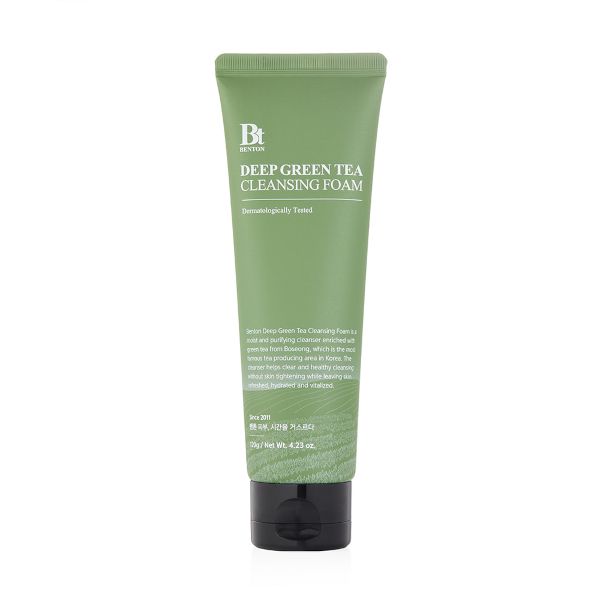
Benton
Benton Deep Green Tea Cleansing Foam - 120g
88/100
uncategorized
Unknown
aquafresh naturals
88/100
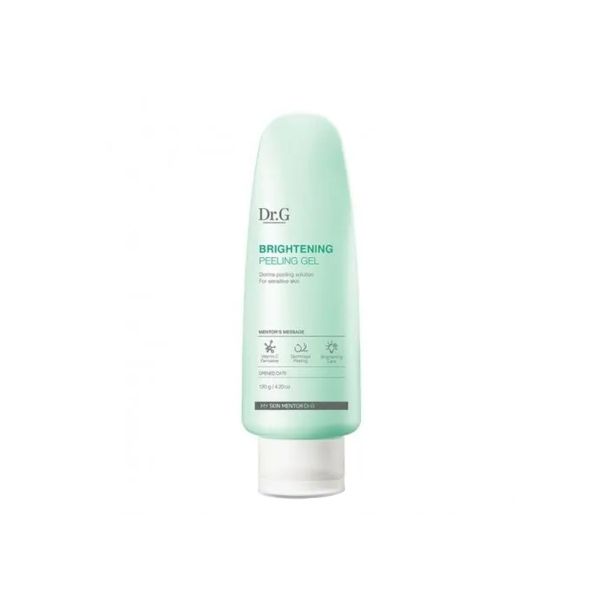
Dr.G Brightening Peeling Gel - 120g
88/100
Terra Naturi
Terra Naturi Clear 3in1 Reinigung-Peeling-Maske
88/100
Etat Pur
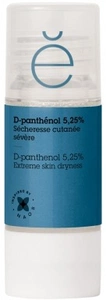
Etat Pur Pure Active D-panthenol
88/100
Related ingredients
Veja também
Sources & references
Authoritative references used to score this ingredient.
Frequently asked questions
- salix nigra bark extract é seguro durante a gravidez?
- No EU Annex II/III restriction or harmonised CLP reproductive classification was found. The CIR safety assessment of willow (Salix alba) bark extracts (used as the cosmetic reference in industry reviews) found no reproductive/developmental toxicity at doses up to 1000 mg/kg bw/day (NOAEL) and concluded willow-derived ingredients are safe in cosmetic use levels (reports list typical leave‑on use up to ~1.1%). However, the EMA herbal monograph notes that salicylates from willow products can cross the placenta and advises avoidance in pregnancy (and contraindication in the third trimester) for medicinal/oral use; this provides a theoretical mechanism of concern for systemic salicylates, though there is no direct evidence that typical topical cosmetic use leads to systemic levels causing reproductive effects. Sources: CIR (willow safety assessment), EMA monograph, EWG entry, PubMed reviews.
- salix nigra bark extract é seguro durante a amamentação?
- Same rationale as for pregnancy. CIR cosmetic assessment shows no reproductive/developmental hazard for willow bark extracts at tested doses; EMA states salicylates appear in breast milk after systemic (oral) exposure and therefore recommends caution for nursing mothers. For topical cosmetic use there is no direct evidence of harmful exposure via breast milk, but the theoretical transfer of salicylates after systemic absorption motivates a precautionary mechanism flag.
- salix nigra bark extract é seguro para a pele do bebê?
- No infant-specific reproductive/toxicology data were located. The parent safety assessment (CIR) did not identify reproductive hazards and did not require infant-specific restrictions; however, infant (0–3 yr) skin has higher permeability and higher surface‑area‑to‑weight, so exposure from topical products is increased (+1 exposure per your rules). There is no direct evidence that topical willow bark extracts at typical cosmetic use concentrations produce systemic salicylate levels in infants, but infants with immature barriers or products applied over large areas would have higher exposure.
- Como o VeriMom pontua salix nigra bark extract?
- O VeriMom pontua salix nigra bark extract em 87/100 (risco baixo) com base no status EU CosIng, classificações de perigo ECHA e estudos revisados por pares no PubMed. Nosso pipeline de pontuação é totalmente transparente.
- Quais são as alternativas seguras a salix nigra bark extract na gravidez?
- Veja nossa lista curada de alternativas seguras a salix nigra bark extract com base em função semelhante e classificação sem riscos conhecidos.
Verifique seus próprios cosméticos
Cole a lista de ingredientes de qualquer produto no nosso verificador gratuito e veja cada ingrediente avaliado com base em dados regulatórios da UE e pesquisas revisadas por pares.
Abrir o verificador de ingredientes seguros na gravidezVerifique qualquer rótulo em 2 segundos
Baixe o VeriMom grátis — escaneie qualquer produto e veja a pontuação de segurança na gravidez instantaneamente.
Aviso Médico
Estas informações são apenas para fins educacionais e não constituem aconselhamento médico. As pontuações de segurança são baseadas em dados publicamente disponíveis e podem não refletir todos os riscos. Sempre consulte seu profissional de saúde antes de usar qualquer produto durante a gravidez ou amamentação.