 VeriMom
royal jelly é seguro durante a gravidez?
Reviewed by VeriMom Editorial Team · Last reviewed
Ingredientes
royal jelly
SEM RISCOS CONHECIDOS93
/100
0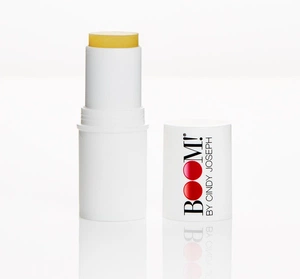
Pregnancy-safe products containing royal jelly
Boom
Boom Stick Glo
99/100
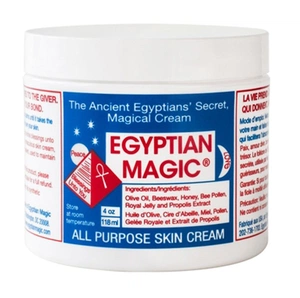
Egyptian Magic
Egyptian Magic All Purpose Skin Cream
99/100
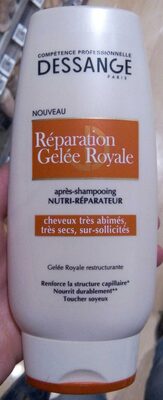
Dessange
Après-shampoing nutri-réparateur
98/100
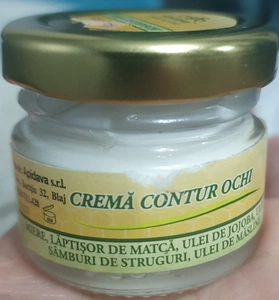
Apidava
Apidava Eye Cream Without Parabens
98/100
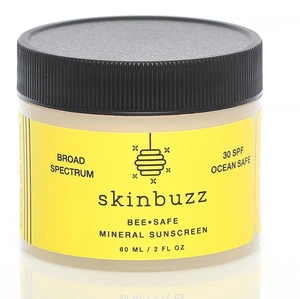
Bee Safe
Bee Safe Organic Mineral Sunscreen
98/100
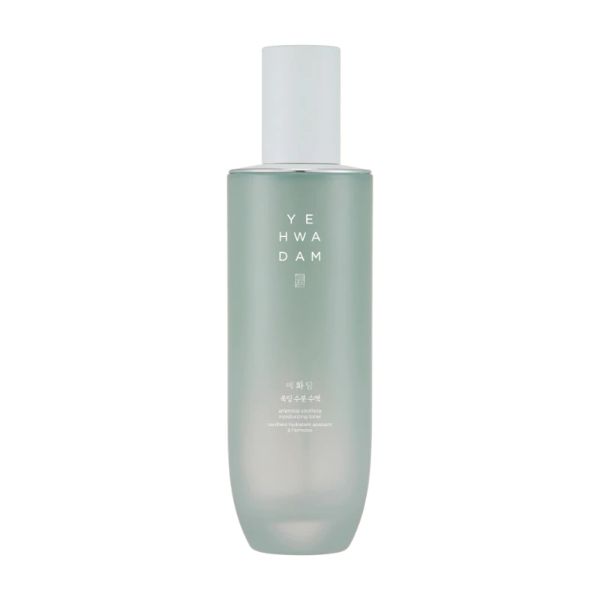
THE FACE SHOP Yehwadam Artemisia Soothing Moisturizing Toner - 180ml
98/100
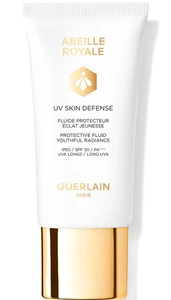
Guerlain
Guerlain Abeille Royale UV Skin Defense Protective Fluid Youthful Radiance SPF 50 / Pa++++
98/100
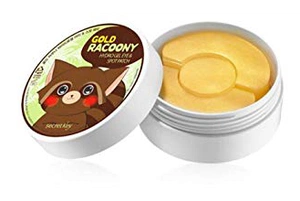
Secret Key
Secret Key Gold Racoony Hydrogel Eye & Spot Patch
98/100
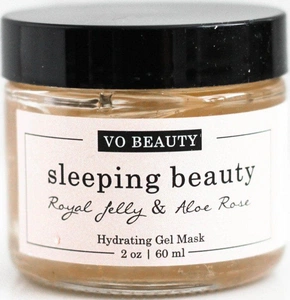
VO BEAUTY
VO BEAUTY Sleeping Beauty
98/100
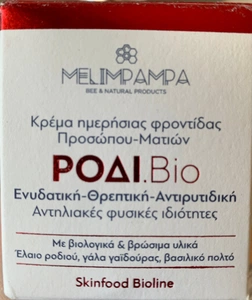
Melimpampa
Melimpampa Rovi.Bio
98/100
Related ingredients
Veja também
Sources & references
Authoritative references used to score this ingredient.
Frequently asked questions
- royal jelly é seguro durante a gravidez?
- No harmonised CLP reproductive classification (no H360/H361) for royal jelly (CAS 8031-67-2) and no authoritative CIR or SCCS safety opinion indicating reproductive hazard. PubMed literature does not provide convincing human teratogenic or developmental toxicity data; the main reported concern for royal jelly is contact allergy rather than reproductive toxicity. Topical cosmetic use would be expected to give low but measurable exposure. Sources: ECHA C&L (no harmonised classification), PubChem, PubMed, CosIng, EWG.
- royal jelly é seguro durante a amamentação?
- No evidence from authoritative sources of reproductive/developmental toxicity or lactation-specific toxicity. No harmonised hazard (H360/H361) or CIR/SCCS contraindication for use in lactating persons. Topical exposure likely leads to low but measurable systemic absorption, so exposure during breastfeeding is low but not absent. Sources: ECHA C&L, PubChem, PubMed, CosIng.
- royal jelly é seguro para a pele do bebê?
- No infant-specific developmental or reproductive toxicity data indicating hazard; no harmonised CLP reproductive flags. However, per guidance, infant skin has higher permeability — for an ingredient with measurable topical absorption in adults, exposure score is increased by +1 for 0–3-year skin. Royal jelly is primarily a complex mixture of proteins and lipids with documented allergenic potential, so dermal exposure in infants could pose allergic risk (not a developmental/reproductive mechanism). Sources: PubMed (allergy reports), ECHA C&L, CosIng, EWG.
- Como o VeriMom pontua royal jelly?
- O VeriMom pontua royal jelly em 93/100 (sem riscos conhecidos) com base no status EU CosIng, classificações de perigo ECHA e estudos revisados por pares no PubMed. Nosso pipeline de pontuação é totalmente transparente.
- Quais são as alternativas seguras a royal jelly na gravidez?
- Veja nossa lista curada de alternativas seguras a royal jelly com base em função semelhante e classificação sem riscos conhecidos.
Verifique seus próprios cosméticos
Cole a lista de ingredientes de qualquer produto no nosso verificador gratuito e veja cada ingrediente avaliado com base em dados regulatórios da UE e pesquisas revisadas por pares.
Abrir o verificador de ingredientes seguros na gravidezVerifique qualquer rótulo em 2 segundos
Baixe o VeriMom grátis — escaneie qualquer produto e veja a pontuação de segurança na gravidez instantaneamente.
Aviso Médico
Estas informações são apenas para fins educacionais e não constituem aconselhamento médico. As pontuações de segurança são baseadas em dados publicamente disponíveis e podem não refletir todos os riscos. Sempre consulte seu profissional de saúde antes de usar qualquer produto durante a gravidez ou amamentação.