 VeriMom
polyacrylate-33 hamilelikte güvenli mi?
Reviewed by VeriMom Editorial Team · Last reviewed
İçerikler
polyacrylate-33
BILINEN RISK YOK100
/100
0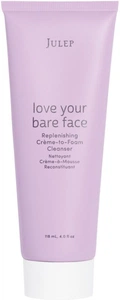
Pregnancy-safe products containing polyacrylate-33
Julep
Julep Love Your Bare Face, Replenishing Creme-To-Foam Cleanser
99/100
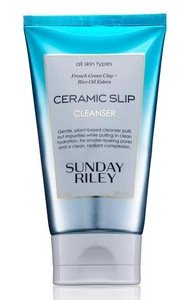
Sunday Riley
Sunday Riley Ceramic Slip Cleanser
98/100
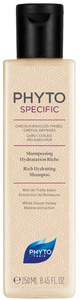
Phyto
Phyto Shampoo
97/100
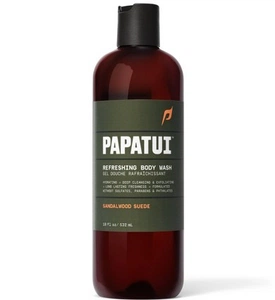
Papatui
Papatui Refreshing Body Wash Sandalwood Suede
97/100
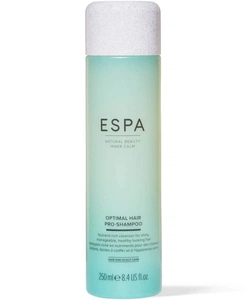
ESPA
ESPA Optimal Hair Pro Shampoo
86/100
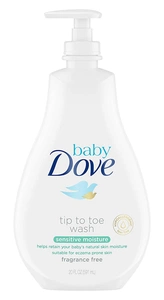
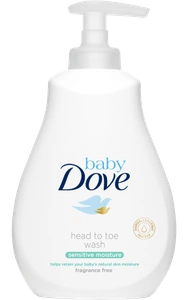
Baby Dove
Baby Dove Sensitive Moisture Tip To Toe Wash
84/100
Lierac
Lierac Foaming Cream Double Cleanser
84/100
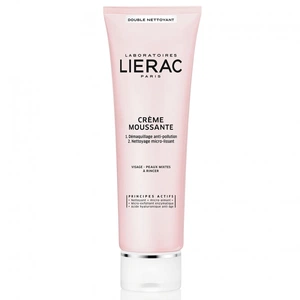
Lierac Paris
Lierac Paris Creme Moussante
84/100
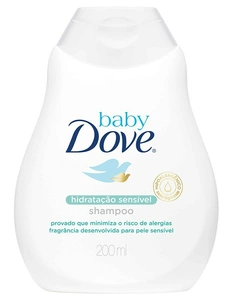
Baby Dove
Baby Dove Shampoo Hidratação Sensível
84/100
Dove
Dove Baby Head To Toe Wash Sensitive Moisture
84/100
Related ingredients
Ayrıca bakın
Sources & references
Authoritative references used to score this ingredient.
Frequently asked questions
- polyacrylate-33 hamilelikte güvenli mi?
- No harmonised CLP reproductive classifications (ECHA Annex VI) or SCCS/CIR reproductive contraindications were identified for polyacrylate-33; polymers of this type are generally large, non-absorbable film-formers with no reported reproductive or teratogenic effects in the literature or regulatory assessments (sources: ECHA C&L records — no harmonised classification; PubChem; CosIng). Therefore default hazard and mechanism scores are 0.
- polyacrylate-33 emzirirken güvenli mi?
- No data indicating reproductive or lactation-specific hazard or transfer to breast milk. Given the polymeric, high‑MW nature and lack of systemic toxicity reports, hazard and mechanism are scored 0 and exposure is considered negligible for breastfeeding mothers under normal topical cosmetic use (sources: ECHA C&L — no harmonised classification; PubChem; CosIng).
- polyacrylate-33 bebek cildi için güvenli mi?
- Hazard and mechanism: no infant-specific reproductive or developmental data indicating concern (h=0,m=0). Exposure: adult dermal absorption expected to be negligible for high‑MW polyacrylates; however infant skin has a less mature barrier and higher surface-area-to-weight, so exposure score is increased by +1 to e=1 to reflect low but measurable potential exposure via topical application (sources: general polymer absorption principles as reflected in regulatory practice; CosIng; PubChem).
- VeriMom polyacrylate-33 nasıl puanlıyor?
- VeriMom polyacrylate-33'yi EU CosIng, ECHA sınıflandırmaları ve PubMed çalışmalarına göre 100/100 (bilinen risk yok) olarak puanlar.
- Hamilelikte polyacrylate-33 yerine neler kullanılabilir?
- Benzer işlevli ve bilinen riski olmayan alternatifleri içeren listemize bakın.
Kendi cilt bakım ürünlerini kontrol et
Herhangi bir ürünün içindekiler listesini ücretsiz kontrol aracımıza yapıştır ve her bileşeni AB düzenleyici verileri ve hakemli araştırmalara göre puanlanmış olarak gör.
Gebelikte güvenli içerik denetleyicisini açHer etiketi 2 saniyede kontrol et
VeriMom'u ücretsiz indirin — herhangi bir ürünü tarayın ve hamilelik güvenlik puanını anında görün.
Tıbbi Sorumluluk Reddi
Bu bilgiler yalnızca eğitim amaçlıdır ve tıbbi tavsiye niteliği taşımaz. Güvenlik puanları kamuya açık verilere dayanmaktadır ve tüm riskleri yansıtmayabilir. Hamilelik veya emzirme döneminde herhangi bir ürünü kullanmadan önce her zaman sağlık uzmanınıza danışın.