 VeriMom
diethylamino hydroxybenzoyl hexyl benzoate é seguro durante a gravidez?
Reviewed by VeriMom Editorial Team · Last reviewed
Ingredientes
diethylamino hydroxybenzoyl hexyl benzoate
SEM RISCOS CONHECIDOS93
/100
0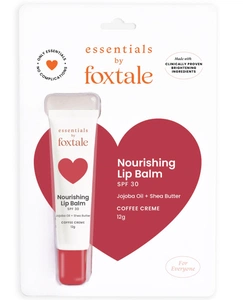
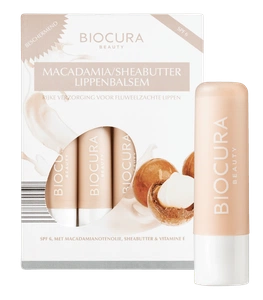
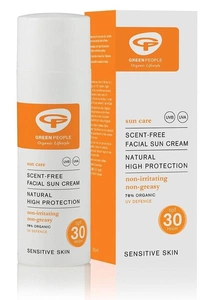
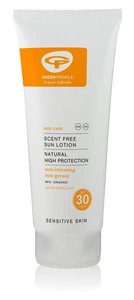
Pregnancy-safe products containing diethylamino hydroxybenzoyl hexyl benzoate
Foxtale
Foxtale Coffee Creme Tinted Lip Balm
99/100
Aldi
aldi Biocura Lipbalm
99/100
Green People
Green People Scent Free Facial Sun Cream
99/100
Green People
Green People Scent Free Sun Lotion Spf30
99/100
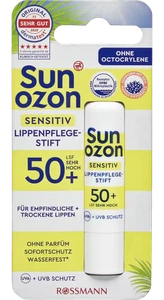
Sun Ozon
Sun Ozon Sensitiv Lippenpflegestift Lsf 50+
98/100
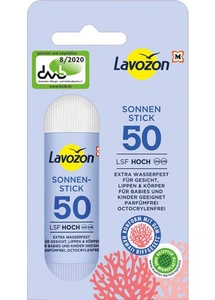
Lavozon
Lavozon Sonnenstick LSF 50 Octocrylenfrei
98/100
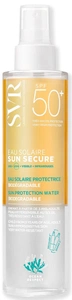
SVR
SVR Sun Secure Eau
98/100
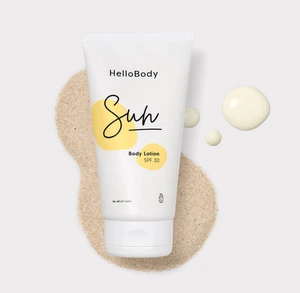
Hello Body
Hello Body SUN SPF 30
98/100
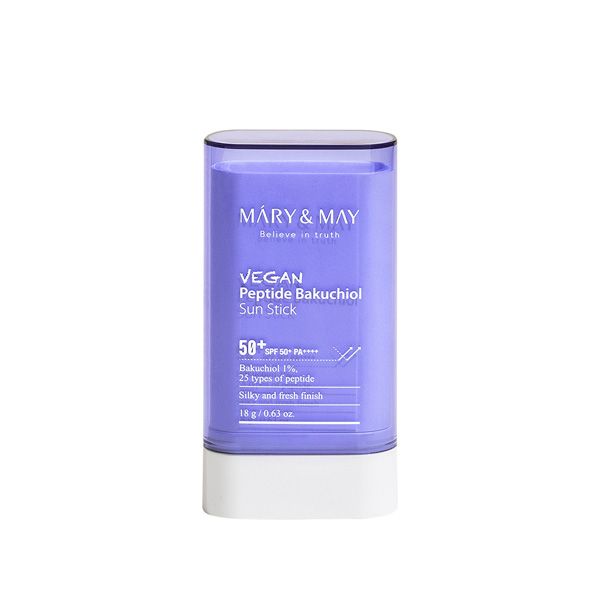
Mary&May Vegan Peptide Bakuchiol Sun Stick SPF50+ PA++++ - 18g
98/100
MARY & MAY
MARY & MAY Vegan Peptide Bakuchiol Sun Stick
98/100
Related ingredients
Veja também
Sources & references
Authoritative references used to score this ingredient.
Frequently asked questions
- diethylamino hydroxybenzoyl hexyl benzoate é seguro durante a gravidez?
- Diethylamino hydroxybenzoyl hexyl benzoate (CAS 302776-68-7; trade name e.g. Uvinul A Plus) is an organic UVA filter with no harmonised CLP classification for reproductive toxicity and no CIR/SCCS finding of reproductive hazard. SCCS opinions and manufacturer/registration data report low dermal penetration; no reproductive or developmental effects in available regulatory studies were identified, so hazard and mechanism are scored 0. Because it is a small lipophilic UV filter with measurable but low skin absorption in dermal studies, exposure for topical use in pregnancy is scored as 1 (low but measurable). Sources: SCCS assessments, ECHA registration dossiers, PubChem/GHS entries.
- diethylamino hydroxybenzoyl hexyl benzoate é seguro durante a amamentação?
- Same rationale as pregnancy: no evidence of reproductive or lactation-specific toxicity, no harmonised classification. Low dermal absorption suggests low maternal systemic exposure; therefore lactational exposure is expected to be low but measurable (e=1). No data found demonstrating transfer into breast milk or adverse effects in nursing infants.
- diethylamino hydroxybenzoyl hexyl benzoate é seguro para a pele do bebê?
- No infant-specific hazard data were identified. Hazard and mechanism remain 0 per absence of reproductive/endocrine findings. Because infant skin (0–3 y) has higher permeability and higher surface-area-to-weight ratio, exposure score is increased by +1 from adult e=1 to e=2 (moderate) as per instructions. Regulatory reviews note low percutaneous absorption in adults but do not show negligible absorption; therefore exposure for baby skin is non-negligible.
- Como o VeriMom pontua diethylamino hydroxybenzoyl hexyl benzoate?
- O VeriMom pontua diethylamino hydroxybenzoyl hexyl benzoate em 93/100 (sem riscos conhecidos) com base no status EU CosIng, classificações de perigo ECHA e estudos revisados por pares no PubMed. Nosso pipeline de pontuação é totalmente transparente.
- Quais são as alternativas seguras a diethylamino hydroxybenzoyl hexyl benzoate na gravidez?
- Veja nossa lista curada de alternativas seguras a diethylamino hydroxybenzoyl hexyl benzoate com base em função semelhante e classificação sem riscos conhecidos.
Verifique seus próprios cosméticos
Cole a lista de ingredientes de qualquer produto no nosso verificador gratuito e veja cada ingrediente avaliado com base em dados regulatórios da UE e pesquisas revisadas por pares.
Abrir o verificador de ingredientes seguros na gravidezVerifique qualquer rótulo em 2 segundos
Baixe o VeriMom grátis — escaneie qualquer produto e veja a pontuação de segurança na gravidez instantaneamente.
Aviso Médico
Estas informações são apenas para fins educacionais e não constituem aconselhamento médico. As pontuações de segurança são baseadas em dados publicamente disponíveis e podem não refletir todos os riscos. Sempre consulte seu profissional de saúde antes de usar qualquer produto durante a gravidez ou amamentação.