 VeriMom
carthamus tinctorius oleosomes é seguro durante a gravidez?
Reviewed by VeriMom Editorial Team · Last reviewed
Ingredientes
carthamus tinctorius oleosomes
SEM RISCOS CONHECIDOS93
/100
0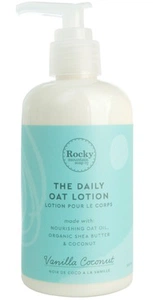
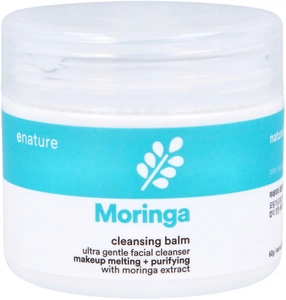
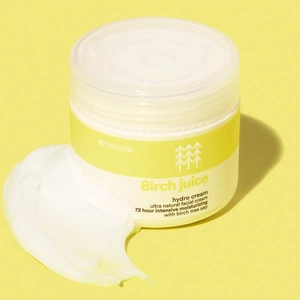
Pregnancy-safe products containing carthamus tinctorius oleosomes
Rocky Mountain Soap Co.
Rocky Mountain Soap Co. The Daily Oat Lotion Vanilla Coconut
99/100
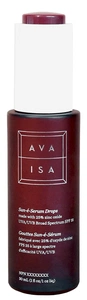
Ava Isa
Ava Isa Sun-è-serum Drops SPF 35
99/100
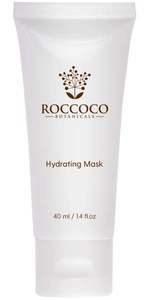
Roccoco Botanicals
Roccoco Botanicals Hydrating Mask
98/100
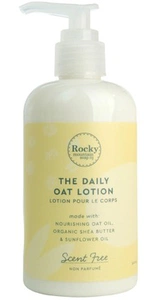
Rocky Mountain Soap Co.
Rocky Mountain Soap Co. The Daily Oat Lotion Unscented
98/100
E Nature
E Nature Moringa Cleansing Balm
98/100
E Nature
E Nature Birch Juice Hydro Cream
98/100
Beauty Counter
Beauty Counter Rinse Everyday Conditioner Citrus Mimosa
98/100
Coola
Coola Mineral Face Sunscreen Lotion Sheer Matte SPF 30
98/100
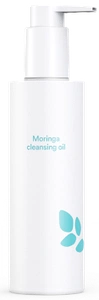
E Nature
E Nature Moringa Cleansing Oil
98/100
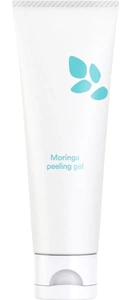
E Nature
E Nature Moringa Peeling Gel
98/100
Related ingredients
Veja também
Sources & references
Authoritative references used to score this ingredient.
Frequently asked questions
- carthamus tinctorius oleosomes é seguro durante a gravidez?
- No harmonised CLP reproductive classification or SCCS/CIR repro warnings were found for safflower oil/oleosomes and the Cosmetic Ingredient Review lists Carthamus tinctorius (safflower) seed oil in its vegetable‑oil review (no ‘unsafe for pregnancy’ conclusion). Peer‑reviewed work on safflower oleosomes describes them as lipid oil‑bodies used for topical delivery but does not report teratogenic or reproductive toxicity. Given topical cosmetic use and the ingredient’s lipid nature, low but measurable dermal exposure is conservative. Sources: CIR; PubMed review; EWG (see sources).
- carthamus tinctorius oleosomes é seguro durante a amamentação?
- Same rationale as pregnancy. No evidence of reproductive or lactation/milk‑transfer toxicity in high‑priority sources. Topical exposure is expected to be low but measurable; no data showing transfer into milk or lactation hazards. Sources: CIR; PubMed review; EWG.
- carthamus tinctorius oleosomes é seguro para a pele do bebê?
- No infant‑specific reproductive/toxicity data were identified. The adult hazard/mechanism remain unflagged; however, because infant skin has higher permeability and surface‑area‑to‑weight, exposure was increased by +1 from adult (adult e=1 → infant e=2). Peer‑reviewed reviews note oleosomes can enhance topical delivery, but no infant harm or teratogenicity data were found. Sources: PubMed review; CIR; EWG.
- Como o VeriMom pontua carthamus tinctorius oleosomes?
- O VeriMom pontua carthamus tinctorius oleosomes em 93/100 (sem riscos conhecidos) com base no status EU CosIng, classificações de perigo ECHA e estudos revisados por pares no PubMed. Nosso pipeline de pontuação é totalmente transparente.
- Quais são as alternativas seguras a carthamus tinctorius oleosomes na gravidez?
- Veja nossa lista curada de alternativas seguras a carthamus tinctorius oleosomes com base em função semelhante e classificação sem riscos conhecidos.
Verifique seus próprios cosméticos
Cole a lista de ingredientes de qualquer produto no nosso verificador gratuito e veja cada ingrediente avaliado com base em dados regulatórios da UE e pesquisas revisadas por pares.
Abrir o verificador de ingredientes seguros na gravidezVerifique qualquer rótulo em 2 segundos
Baixe o VeriMom grátis — escaneie qualquer produto e veja a pontuação de segurança na gravidez instantaneamente.
Aviso Médico
Estas informações são apenas para fins educacionais e não constituem aconselhamento médico. As pontuações de segurança são baseadas em dados publicamente disponíveis e podem não refletir todos os riscos. Sempre consulte seu profissional de saúde antes de usar qualquer produto durante a gravidez ou amamentação.