 VeriMom
algae hamilelikte güvenli mi?
Reviewed by VeriMom Editorial Team · Last reviewed
İçerikler
algae
BILINEN RISK YOK100
/100
0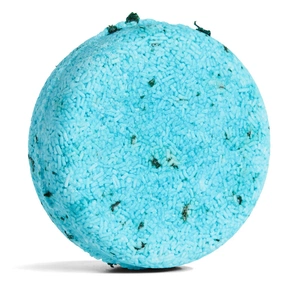
Pregnancy-safe products containing algae
Lush
Lush Seanik Naked Shampoo
100/100
Lemyka
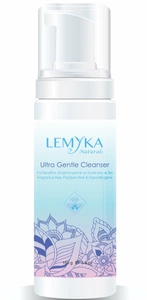
Lemyka Ultra Gentle Cleanser
99/100
PHB ETHICAL BEAUTY
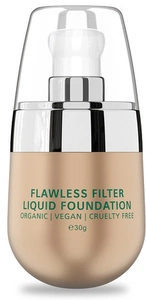
PHB ETHICAL BEAUTY Phb Flawless Filter Liquid Foundation+ Spf30
98/100
Unknown
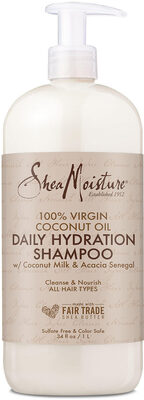
shea moisture daily hydrating shampoo w/coconut milk and acacia senegal
98/100
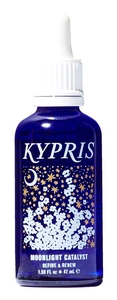
Kypris
Kypris Moonlight Catalyst
98/100
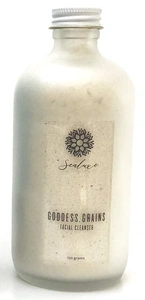
Sealuxe
Sealuxe Goddess Grains Facial Cleanser
98/100
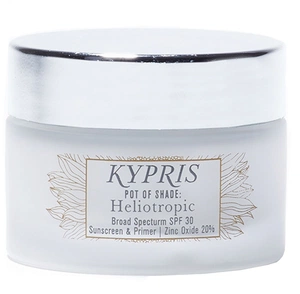
Kypris
Kypris Pot Of Shade: Helitropic Spf 30
98/100
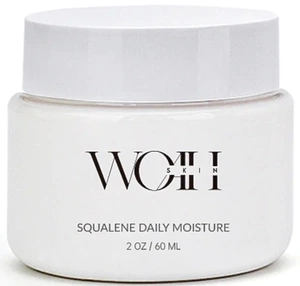
Woahskin
Woahskin Moisturizer
98/100
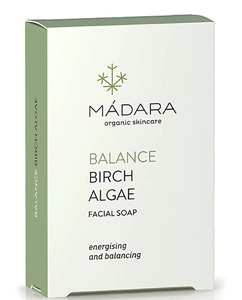
Madara
Madara Birch Algae Balancing Face Soap
98/100
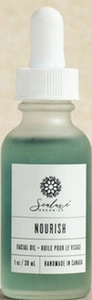
Sealuxe
Sealuxe Nourish
97/100
Related ingredients
Ayrıca bakın
Sources & references
Authoritative references used to score this ingredient.
Frequently asked questions
- algae hamilelikte güvenli mi?
- No harmonised CLP reproductive classifications (ECHA Annex VI), no SCCS or CIR opinions identifying algal extracts or generic 'algae' as reproductive hazards, and no consistent peer‑reviewed evidence of teratogenicity for cosmetic use levels (CosIng, PubChem, PubMed searches). Typical cosmetic use is topical and exposures are low, so default hazard/mechanism/exposure scores are 0.
- algae emzirirken güvenli mi?
- No authoritative sources (ECHA Annex VI, SCCS, CIR) list 'algae' as a reproductive or lactation hazard. Published data do not demonstrate placental or lactational toxicity from cosmetic‑use algal ingredients; topical absorption is generally low (CosIng, PubChem), so breastfeeding risk is not identified.
- algae bebek cildi için güvenli mi?
- No evidence of intrinsic reproductive or developmental hazard for algal ingredients (h/m = 0). However, infant skin has higher permeability and surface‑area‑to‑weight ratio so exposure score is increased by +1 relative to adults for measurable topical absorption (CosIng, general dermal pharmacokinetic principles); specific infant dermal absorption data for particular algal species are lacking.
- VeriMom algae nasıl puanlıyor?
- VeriMom algae'yi EU CosIng, ECHA sınıflandırmaları ve PubMed çalışmalarına göre 100/100 (bilinen risk yok) olarak puanlar.
- Hamilelikte algae yerine neler kullanılabilir?
- Benzer işlevli ve bilinen riski olmayan alternatifleri içeren listemize bakın.
Kendi cilt bakım ürünlerini kontrol et
Herhangi bir ürünün içindekiler listesini ücretsiz kontrol aracımıza yapıştır ve her bileşeni AB düzenleyici verileri ve hakemli araştırmalara göre puanlanmış olarak gör.
Gebelikte güvenli içerik denetleyicisini açHer etiketi 2 saniyede kontrol et
VeriMom'u ücretsiz indirin — herhangi bir ürünü tarayın ve hamilelik güvenlik puanını anında görün.
Tıbbi Sorumluluk Reddi
Bu bilgiler yalnızca eğitim amaçlıdır ve tıbbi tavsiye niteliği taşımaz. Güvenlik puanları kamuya açık verilere dayanmaktadır ve tüm riskleri yansıtmayabilir. Hamilelik veya emzirme döneminde herhangi bir ürünü kullanmadan önce her zaman sağlık uzmanınıza danışın.