 VeriMom
vinegar é seguro durante a gravidez?
Reviewed by VeriMom Editorial Team · Last reviewed
Ingredientes
vinegar
SEM RISCOS CONHECIDOS93
/100
0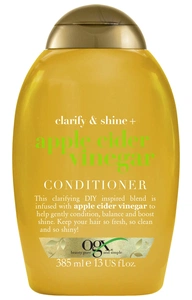
Pregnancy-safe products containing vinegar
OGX
OGX Clarify & Shine + Apple Cider Vinegar Conditioner
98/100
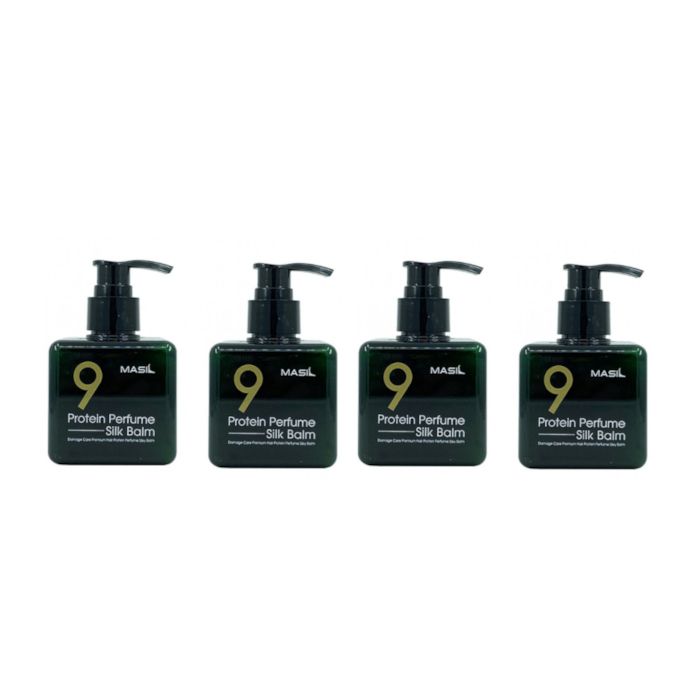
MASIL
Masil Protein Perfume Silk Balm - 180ml (4ea) Set
98/100
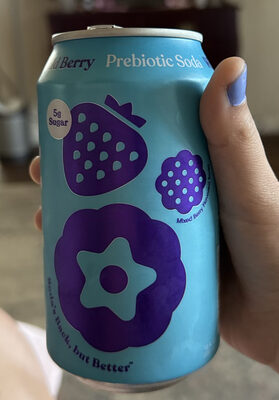
Unknown
Mixed Berry Prebiotic Soda
98/100
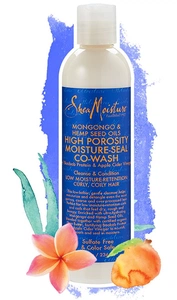
Shea Moisture
Shea Moisture Mongongo & Hemp Seed Oils High Porosity Moisture-Seal Co-Wash
98/100
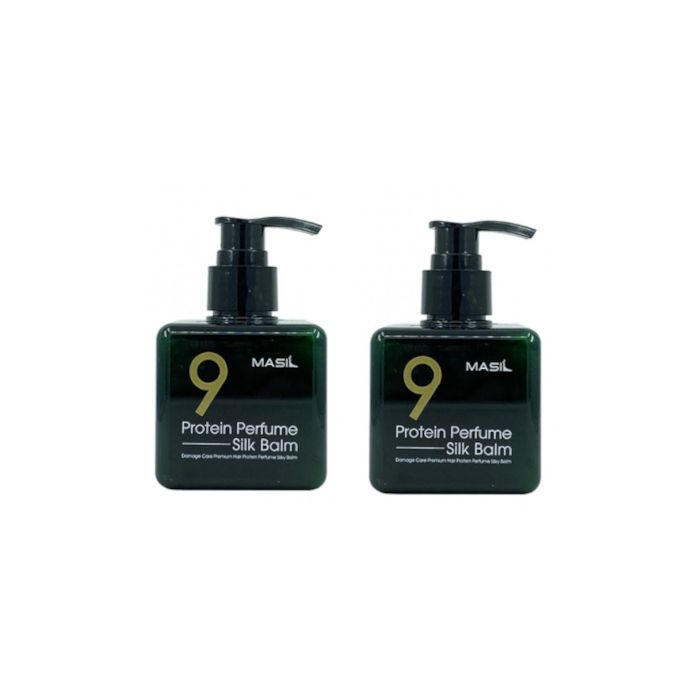
MASIL
Masil Protein Perfume Silk Balm - 180ml (2ea) Set
98/100
Missha
Missha Time Revolution First Treatment Essence Rx Pro Ferment
98/100
Holifrog
Holifrog Superior Omega Gel Wash
98/100
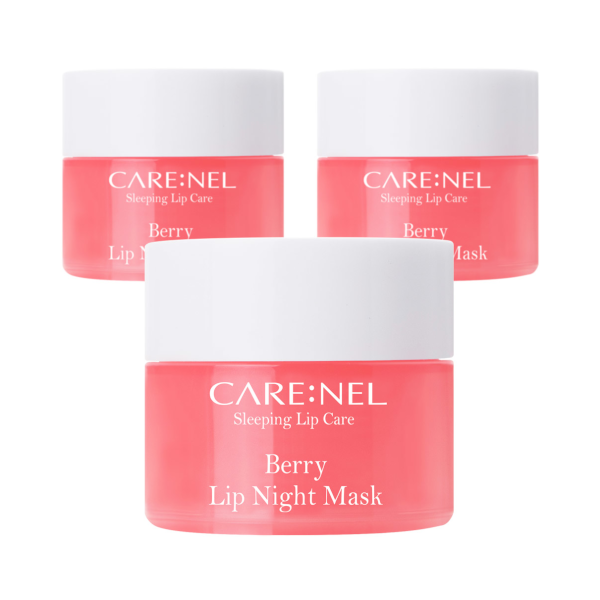
CARE:NEL Berry Lip Night Mask Set - 5g*3ea
98/100
undefined
Williams
Louisiana Style Gumbo Home Style Soup Mix
98/100
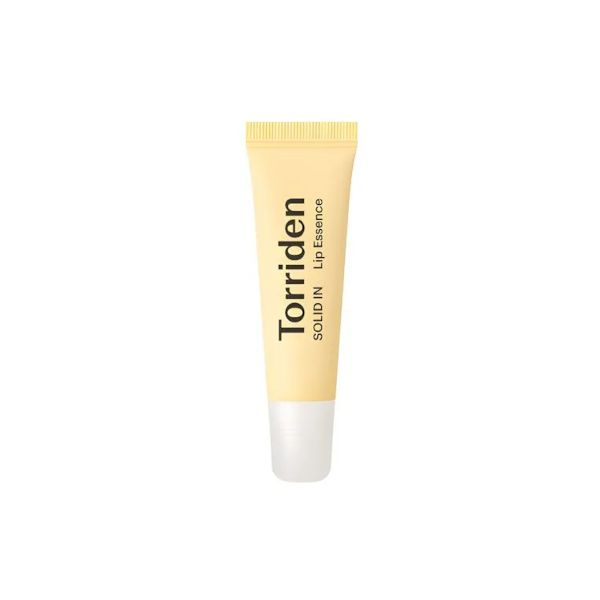
Torriden
Torriden SOLID-IN Ceramide Lip Essence - 11ml
98/100
Related ingredients
Veja também
Sources & references
Authoritative references used to score this ingredient.
Frequently asked questions
- vinegar é seguro durante a gravidez?
- Authoritative regulatory listings (ECHA substance page) show vinegar as a recognised substance (CAS 8028-52-2) but there is no harmonised CLP reproductive hazard (no H360/H361) for vinegar; peer‑reviewed animal studies of vinegar-based supplements or dietary vinegar do not report teratogenic reproductive effects, and regulatory listings (EPA/EU uses) treat vinegar as a low‑risk active/inert ingredient when within typical concentration limits. Topical cosmetic use would give low systemic exposure but measurable local absorption of acetic acid can occur; therefore exposure score is 1. Sources: ECHA substance information, PubMed studies (animal dietary/vinegar studies), EPA listings.
- vinegar é seguro durante a amamentação?
- No evidence (SCCS/CIR/harmonised CLP) indicating reproductive or lactation-specific toxicity. Systemic transfer to breastmilk after typical topical cosmetic exposure is unlikely; measurable systemic exposure only with ingestion or high‑concentration products. Therefore hazard and mechanism default to 0, exposure low but measurable (1).
- vinegar é seguro para a pele do bebê?
- No infant‑specific reproductive or developmental hazards reported. Vinegar/acetic acid is an irritant at higher concentrations; because infant skin has higher surface‑area:weight and an immature barrier, exposure score is increased by +1 rule only if adult exposure is measurable — here adult e=1 so baby e remains 1 (per your instruction: increase by +1 only if adult e>0 and absorption measurable). Main risk for babies is topical irritation or burns from higher‑strength vinegar (cleaning/concentrated formulations), not reproductive toxicity.
- Como o VeriMom pontua vinegar?
- O VeriMom pontua vinegar em 93/100 (sem riscos conhecidos) com base no status EU CosIng, classificações de perigo ECHA e estudos revisados por pares no PubMed. Nosso pipeline de pontuação é totalmente transparente.
- Quais são as alternativas seguras a vinegar na gravidez?
- Veja nossa lista curada de alternativas seguras a vinegar com base em função semelhante e classificação sem riscos conhecidos.
Verifique seus próprios cosméticos
Cole a lista de ingredientes de qualquer produto no nosso verificador gratuito e veja cada ingrediente avaliado com base em dados regulatórios da UE e pesquisas revisadas por pares.
Abrir o verificador de ingredientes seguros na gravidezVerifique qualquer rótulo em 2 segundos
Baixe o VeriMom grátis — escaneie qualquer produto e veja a pontuação de segurança na gravidez instantaneamente.
Aviso Médico
Estas informações são apenas para fins educacionais e não constituem aconselhamento médico. As pontuações de segurança são baseadas em dados publicamente disponíveis e podem não refletir todos os riscos. Sempre consulte seu profissional de saúde antes de usar qualquer produto durante a gravidez ou amamentação.