 VeriMom
terephthalylidene dicamphor sulfonic acid é seguro durante a gravidez?
Reviewed by VeriMom Editorial Team · Last reviewed
Ingredientes
terephthalylidene dicamphor sulfonic acid
SEM RISCOS CONHECIDOS93
/100
0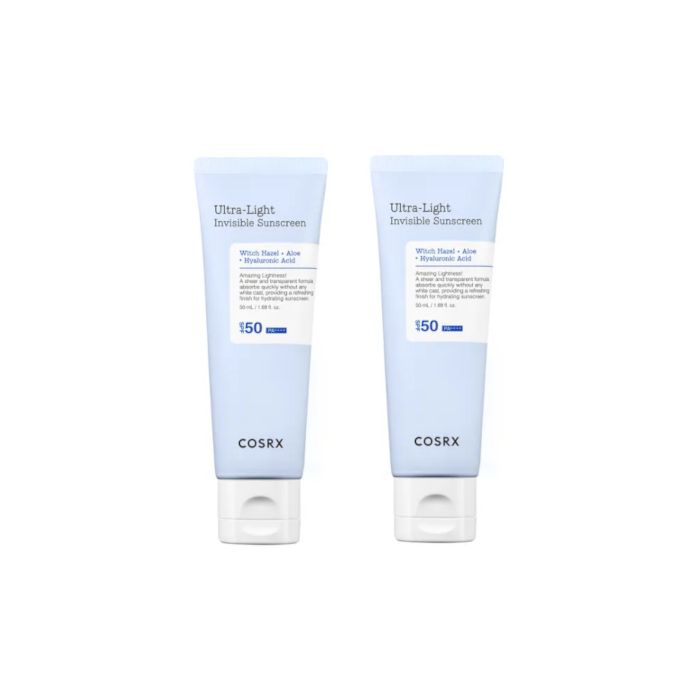
Pregnancy-safe products containing terephthalylidene dicamphor sulfonic acid
COSRX
COSRX Ultra-Light Invisible Sunscreen - 50ml (2ea) Set
98/100
The Face Shop
The Face Shop Dr. Belmeur UV Derma Tone Up Sun Cream
98/100
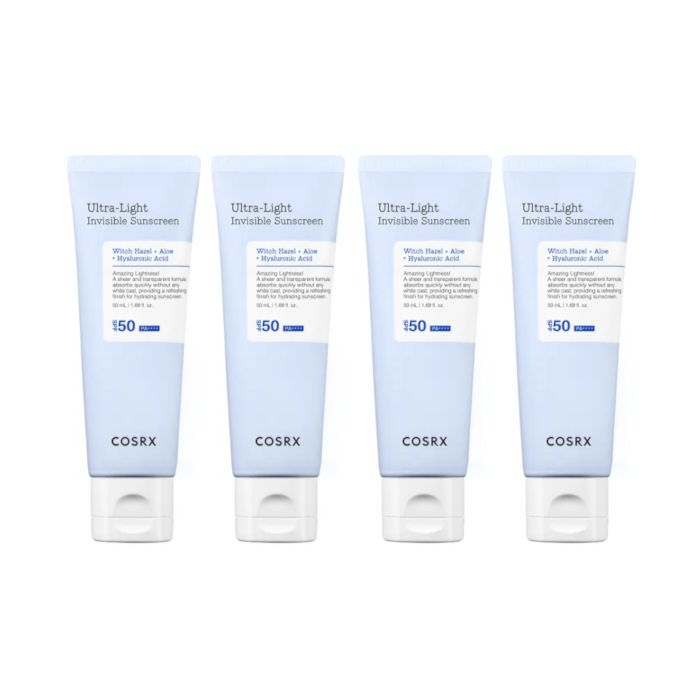
COSRX
COSRX Ultra-Light Invisible Sunscreen - 50ml (4ea) Set
98/100
sunscreen
COSRX
COSRX Ultra-Light Invisible Sunscreen
98/100
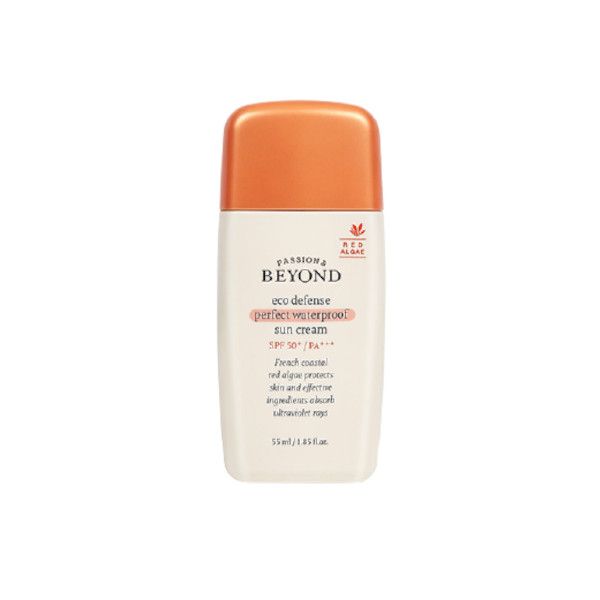
BEYOND
BEYOND Eco Defense Perfect Waterproof Sun Cream SPF50+ PA+++ - 55ml
98/100
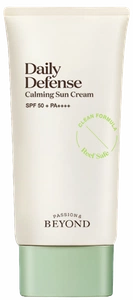
BEYOND
BEYOND Daily Defense Calming Sun Cream
98/100
sunscreen
COSRX
COSRX Ultra-Light Invisible Sunscreen SPF50/PA++++ (50ml)
98/100
hair-care
COSRX
COSRX Ultra-Light Invisible Sunscreen SPF50/PA++++
98/100
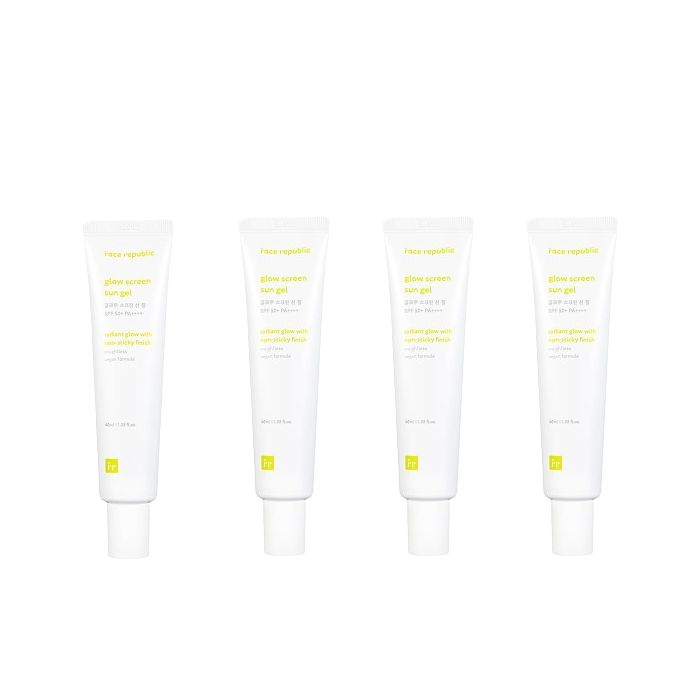
face republic Glow Screen Sun Gel - 40ml (4ea) Set
97/100
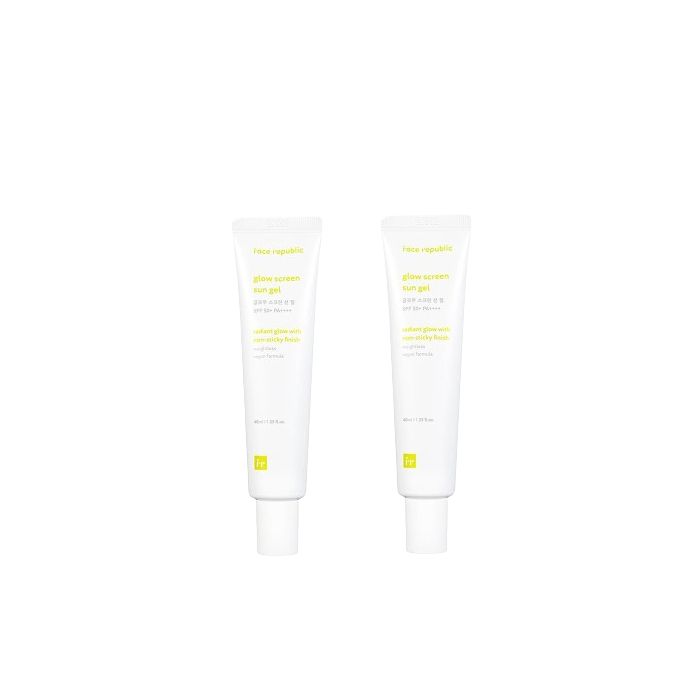
face republic Glow Screen Sun Gel - 40ml (2ea) Set
97/100
Related ingredients
Veja também
Sources & references
Authoritative references used to score this ingredient.
Frequently asked questions
- terephthalylidene dicamphor sulfonic acid é seguro durante a gravidez?
- No harmonised reproductive classification (ECHA Annex VI lists this substance with H318 eye damage only). I found no authoritative reproductive/toxicity classification (H360/H361) or published human teratogenic data in the prioritized regulatory sources, so there is no evidence of reproductive hazard; systemic exposure from topical use is low but measurable for many sunscreen actives, so I score exposure as low (e=1). Sources consulted include ECHA Annex VI and database records (PubChem/CosIng).
- terephthalylidene dicamphor sulfonic acid é seguro durante a amamentação?
- No evidence or regulatory classification indicating specific risk to lactation or nursing infants; no mechanistic data showing transfer into milk. Given low but measurable systemic absorption from topical products, potential for minimal exposure to breastfed infants exists (e=1). No authoritative source (ECHA Annex VI, SCCS, CIR) flags reproductive/lactation hazard.
- terephthalylidene dicamphor sulfonic acid é seguro para a pele do bebê?
- No infant-specific hazard data were identified and there is no harmonised reproduction/ developmental classification. However, infant skin has higher uptake per body weight and an immature barrier; with adult topical exposure judged low but measurable, I increase exposure score by +1 for babies (adult e=1 → baby e=2). No mechanism or infant toxicity data were identified in prioritized sources.
- Como o VeriMom pontua terephthalylidene dicamphor sulfonic acid?
- O VeriMom pontua terephthalylidene dicamphor sulfonic acid em 93/100 (sem riscos conhecidos) com base no status EU CosIng, classificações de perigo ECHA e estudos revisados por pares no PubMed. Nosso pipeline de pontuação é totalmente transparente.
- Quais são as alternativas seguras a terephthalylidene dicamphor sulfonic acid na gravidez?
- Veja nossa lista curada de alternativas seguras a terephthalylidene dicamphor sulfonic acid com base em função semelhante e classificação sem riscos conhecidos.
Verifique seus próprios cosméticos
Cole a lista de ingredientes de qualquer produto no nosso verificador gratuito e veja cada ingrediente avaliado com base em dados regulatórios da UE e pesquisas revisadas por pares.
Abrir o verificador de ingredientes seguros na gravidezVerifique qualquer rótulo em 2 segundos
Baixe o VeriMom grátis — escaneie qualquer produto e veja a pontuação de segurança na gravidez instantaneamente.
Aviso Médico
Estas informações são apenas para fins educacionais e não constituem aconselhamento médico. As pontuações de segurança são baseadas em dados publicamente disponíveis e podem não refletir todos os riscos. Sempre consulte seu profissional de saúde antes de usar qualquer produto durante a gravidez ou amamentação.