 VeriMom
rehmannia chinensis root extract é seguro durante a gravidez?
Reviewed by VeriMom Editorial Team · Last reviewed
Ingredientes
rehmannia chinensis root extract
SEM RISCOS CONHECIDOS93
/100
0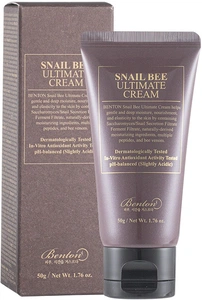
Pregnancy-safe products containing rehmannia chinensis root extract
Benton
Benton Snail Bee Ultimate Cream
98/100
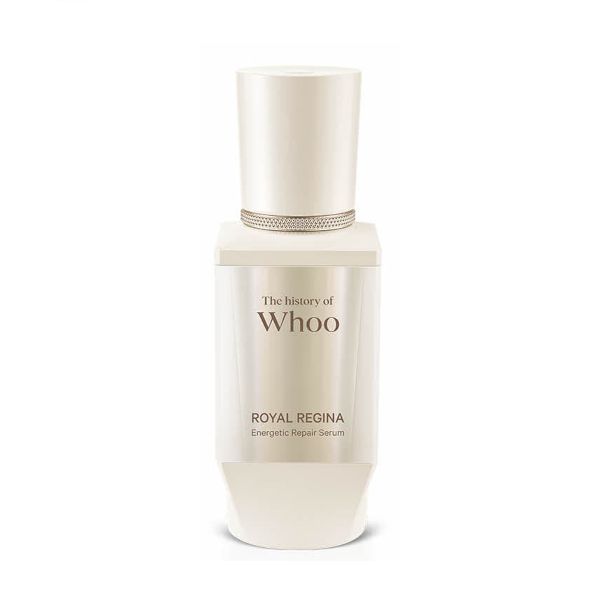
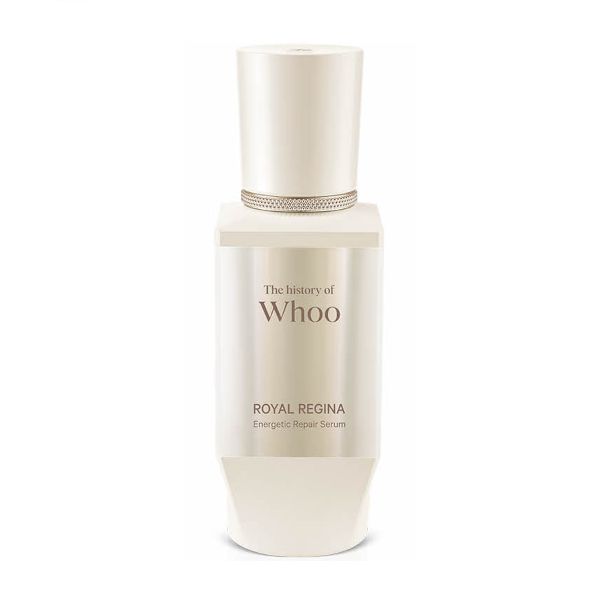
The History of Whoo Royal Regina Energetic Repair Serum - 30ml
98/100
Benton
Benton Snail Bee Ultimate Cream - 50g
98/100
The History of Whoo Royal Regina Energetic Repair Serum - 45ml
98/100
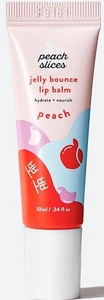
Peach slices
Peach slices Jelly Bounce Lip Balm
98/100
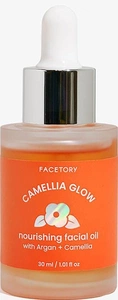
Facetory
Facetory Camellia Glow Nourishing Facial Oil With Argan Oil
98/100
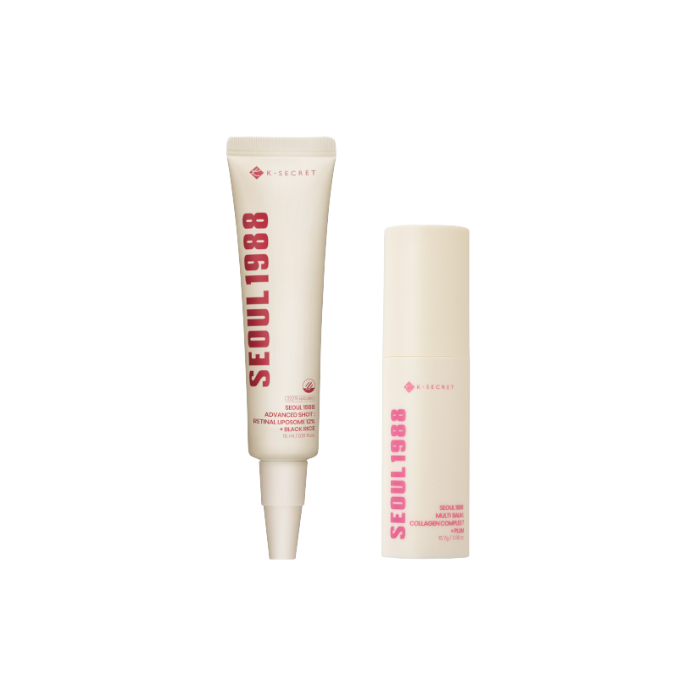
KSECRET
KSECRET SEOUL 1988 Advanced Shot : Retinal Liposome 12% + Black Rice - 15ml (1ea) & SEOUL 1988 Multi Balm : Collagen Complex 7 + Plum - 10.7g (1ea) Set
97/100
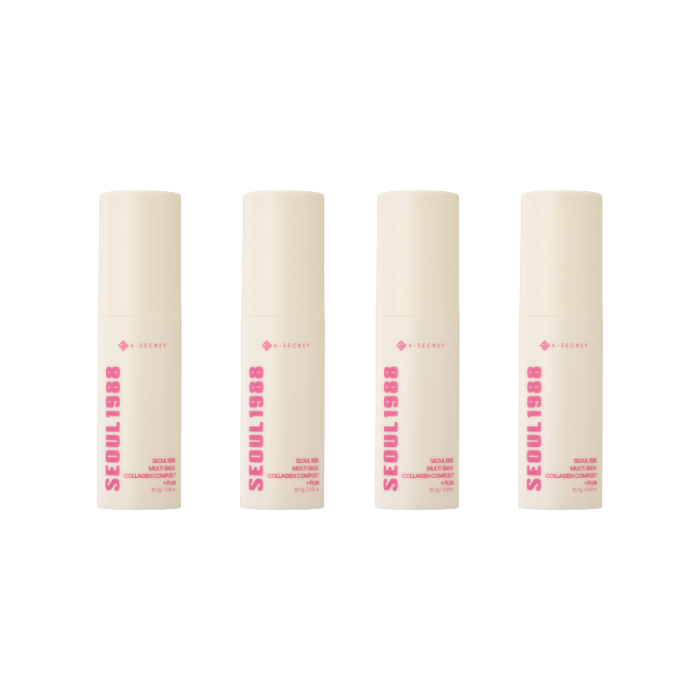
KSECRET
KSECRET SEOUL 1988 Multi Balm : Collagen Complex 7 + Plum - 10.7g (4ea) Set
97/100
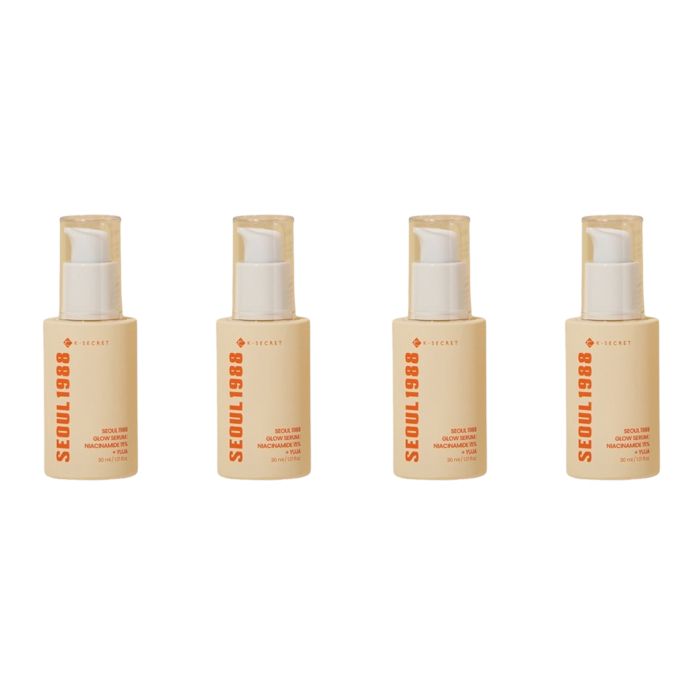
KSECRET
KSECRET SEOUL 1988 Glow Serum : Niacinamide 15% + Yuja - 30ml (4ea) Set
97/100
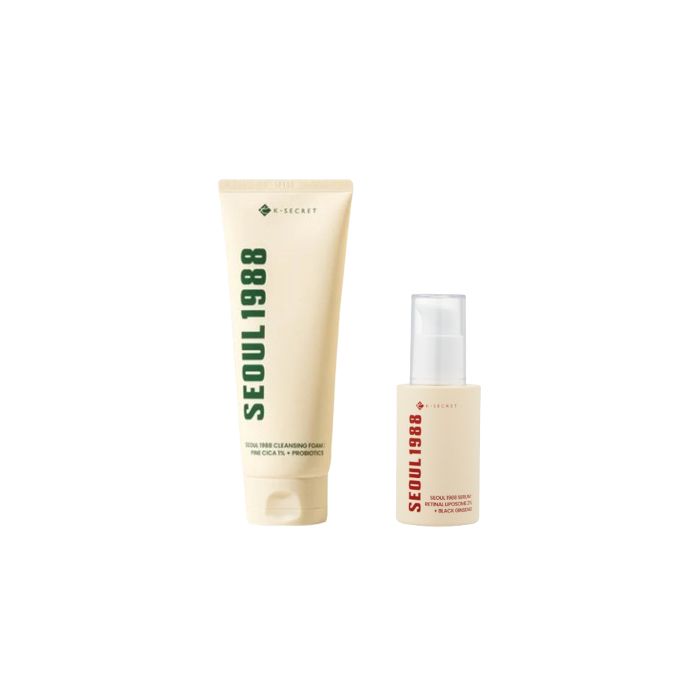
KSECRET
KSECRET SEOUL 1988 Serum : Retinal Liposome 2% + Black Ginseng - 30ml + Cleansing Foam : Pine Cica 1% + Probiotics - 150ml Set
97/100
Related ingredients
Veja também
Sources & references
Authoritative references used to score this ingredient.
Frequently asked questions
- rehmannia chinensis root extract é seguro durante a gravidez?
- No harmonised CLP classification (ECHA Annex VI) or SCCS/CIR safety assessment specifically flagging reproductive hazard for Rehmannia (Rehmannia chinensis) root extract. PubMed literature does not identify confirmed human teratogenicity or reproductive toxicity for this cosmetic plant extract; available pharmacology studies describe general bioactivity but not reproductive hazards. Topical cosmetic use of a plant root extract would be expected to give low but measurable dermal exposure (complex glycosides/iridoids with limited dermal penetration), so exposure scored as low (1). Sources consulted: ECHA Annex VI (no harmonised classification), PubMed (no reproductive hazard data), CosIng/PubChem listings (ingredient present; no reproductive warnings).
- rehmannia chinensis root extract é seguro durante a amamentação?
- No evidence of reproductive or lactation-specific toxicity or harmonised classification. Mechanistic data showing transfer into milk or breastfed infant effects are lacking. Dermal cosmetic use gives low but measurable maternal systemic exposure potential, so exposure scored as low (1). Sources: ECHA Annex VI, PubMed, CosIng/PubChem.
- rehmannia chinensis root extract é seguro para a pele do bebê?
- No infant-specific reproductive/toxicity data or regulatory flags. Mechanistic/placental transfer concerns are not reported. Because infant skin (0–3 yr) has higher surface-area-to-weight and less mature barrier, exposure score increased by +1 relative to adult topical use (adult e=1 → infant e=2), representing moderate exposure potential from topical application. Sources: CosIng/PubChem listings, PubMed (no infant toxicity data), ECHA Annex VI (no harmonised classification).
- Como o VeriMom pontua rehmannia chinensis root extract?
- O VeriMom pontua rehmannia chinensis root extract em 93/100 (sem riscos conhecidos) com base no status EU CosIng, classificações de perigo ECHA e estudos revisados por pares no PubMed. Nosso pipeline de pontuação é totalmente transparente.
- Quais são as alternativas seguras a rehmannia chinensis root extract na gravidez?
- Veja nossa lista curada de alternativas seguras a rehmannia chinensis root extract com base em função semelhante e classificação sem riscos conhecidos.
Verifique seus próprios cosméticos
Cole a lista de ingredientes de qualquer produto no nosso verificador gratuito e veja cada ingrediente avaliado com base em dados regulatórios da UE e pesquisas revisadas por pares.
Abrir o verificador de ingredientes seguros na gravidezVerifique qualquer rótulo em 2 segundos
Baixe o VeriMom grátis — escaneie qualquer produto e veja a pontuação de segurança na gravidez instantaneamente.
Aviso Médico
Estas informações são apenas para fins educacionais e não constituem aconselhamento médico. As pontuações de segurança são baseadas em dados publicamente disponíveis e podem não refletir todos os riscos. Sempre consulte seu profissional de saúde antes de usar qualquer produto durante a gravidez ou amamentação.