 VeriMom
polyquaternium-80 é seguro durante a gravidez?
Reviewed by VeriMom Editorial Team · Last reviewed
Ingredientes
polyquaternium-80
SEM RISCOS CONHECIDOS100
/100
0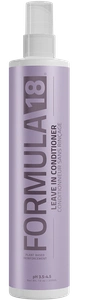
Pregnancy-safe products containing polyquaternium-80
Formula 18
Formula 18 Leave In Conditioner
99/100
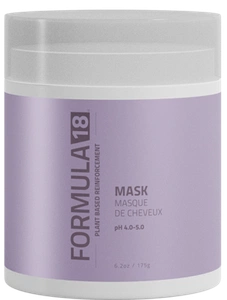
Formula 18
Formula 18 F18 Mask
99/100
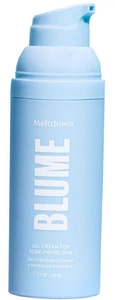
Blume
Blume Meltdown Gel Cream For Acne-prone Skin
98/100
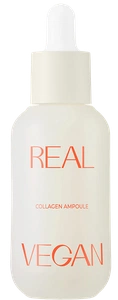
KLAVUU
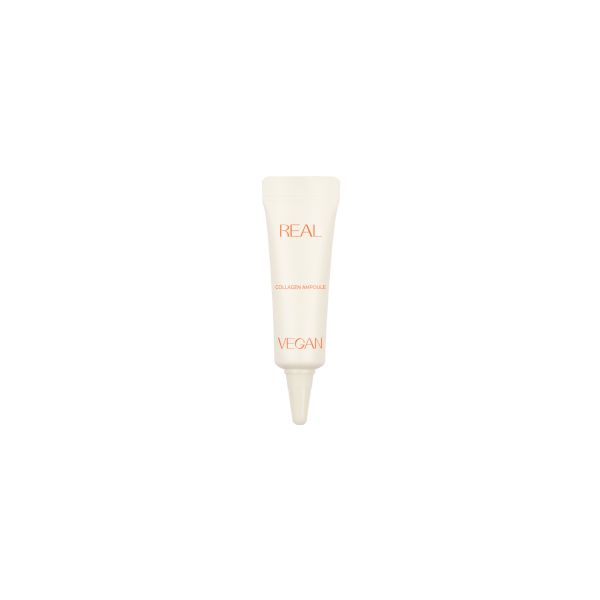
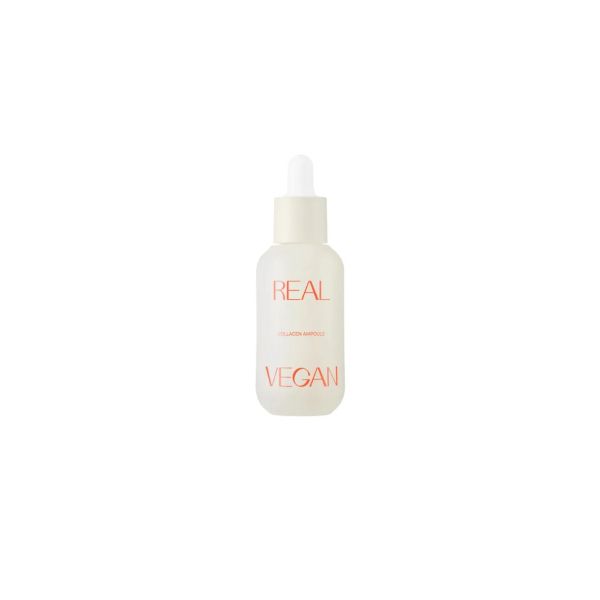
KLAVUU Real Vegan Collagen Ampoule
98/100
KLAVUU
KLAVUU Real Vegan Collagen Ampoule - 5ml
98/100
Hero Cosmetics
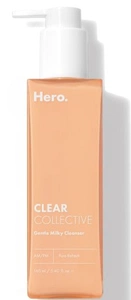
Hero Cosmetics Gentle Milky Cleanser
98/100
Ceramedx
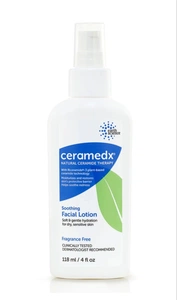
Ceramedx Soothing Facial Lotion
98/100
KLAVUU
KLAVUU Real Vegan Collagen Ampoule - 30ml
98/100
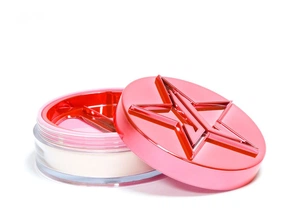
Jeffree Star
Jeffree Star Magic Star Setting Powder Shade Fair
98/100
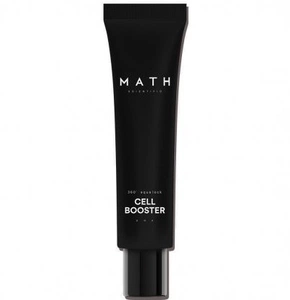
MATH scientific
MATH scientific Moisturising Cream With Peptides Cell Booster
98/100
Related ingredients
Veja também
Sources & references
Authoritative references used to score this ingredient.
Frequently asked questions
- polyquaternium-80 é seguro durante a gravidez?
- No harmonised CLP classification or SCCS/CIR reproductive safety flags were identified for polyquaternium-80; available regulatory/ingredient databases (CosIng, PubChem, ECHA entries) and the lack of peer‑reviewed reproductive toxicity reports indicate no evidence of reproductive hazard for topical cosmetic use. Polymethacrylate/quaternary ammonium conditioning polymers are high‑molecular‑weight and generally have negligible dermal absorption, supporting minimal systemic exposure during pregnancy (CosIng, PubChem, ECHA).
- polyquaternium-80 é seguro durante a amamentação?
- No data or regulatory warnings indicate effects on lactation or milk transfer; with no harmonised classification and no reported reproductive/endocrine activity in literature or regulatory dossiers, risk via topical cosmetic use is not indicated. High molecular weight quaternary polymers are not expected to be systemically bioavailable to a degree likely to reach breastmilk (CosIng, PubChem, ECHA).
- polyquaternium-80 é seguro para a pele do bebê?
- No infant‑specific safety signals or regulatory restrictions were found. Polyquaternium‑type polymers are large, water‑soluble conditioning agents with low dermal penetration; therefore infant exposure from typical rinse‑off or leave‑on cosmetic formulations is expected to be negligible and no baby‑specific reproductive mechanism is identified (CosIng, ECHA).
- Como o VeriMom pontua polyquaternium-80?
- O VeriMom pontua polyquaternium-80 em 100/100 (sem riscos conhecidos) com base no status EU CosIng, classificações de perigo ECHA e estudos revisados por pares no PubMed. Nosso pipeline de pontuação é totalmente transparente.
- Quais são as alternativas seguras a polyquaternium-80 na gravidez?
- Veja nossa lista curada de alternativas seguras a polyquaternium-80 com base em função semelhante e classificação sem riscos conhecidos.
Verifique seus próprios cosméticos
Cole a lista de ingredientes de qualquer produto no nosso verificador gratuito e veja cada ingrediente avaliado com base em dados regulatórios da UE e pesquisas revisadas por pares.
Abrir o verificador de ingredientes seguros na gravidezVerifique qualquer rótulo em 2 segundos
Baixe o VeriMom grátis — escaneie qualquer produto e veja a pontuação de segurança na gravidez instantaneamente.
Aviso Médico
Estas informações são apenas para fins educacionais e não constituem aconselhamento médico. As pontuações de segurança são baseadas em dados publicamente disponíveis e podem não refletir todos os riscos. Sempre consulte seu profissional de saúde antes de usar qualquer produto durante a gravidez ou amamentação.