 VeriMom
polypropylene é seguro durante a gravidez?
Reviewed by VeriMom Editorial Team · Last reviewed
Ingredientes
polypropylene
SEM RISCOS CONHECIDOS100
/100
0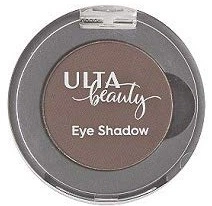
Pregnancy-safe products containing polypropylene
uncategorized
Tek
Escova Dental Tek Macia
100/100
ULTA Beauty
ULTA Beauty Single Eyeshadow - Cold Brew
100/100
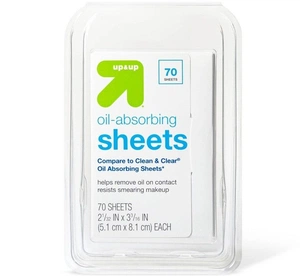
up and up
up and up Oil Absorbing Sheets 70ct
100/100
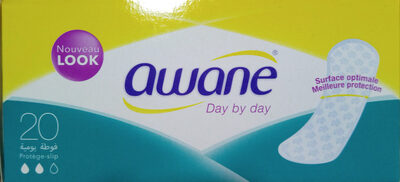
Awane
Awane Day by day
100/100
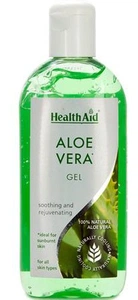
Health Aid
Health Aid Aloe Vera Gel
100/100
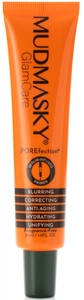
Mudmasky
Mudmasky Porefection Serum Infused Primer
99/100
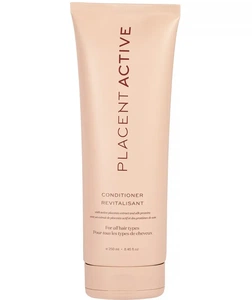
Placent Activ
Placent Activ Conditioner Revitalisant
98/100
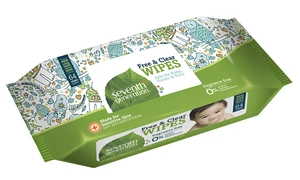
Seventh Generation
Seventh generation Free And Clear Wipes
98/100
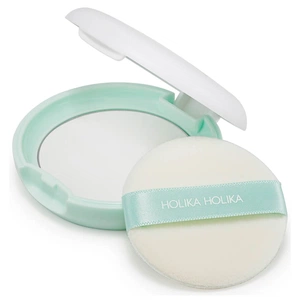
Holika Holika
Holika Holika Puri Pore No Sebum Pact
98/100
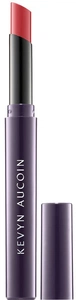
Kevyn Aucoin
Kevyn Aucoin Unforgettable Matte Lipstick
98/100
Related ingredients
Veja também
Sources & references
Authoritative references used to score this ingredient.
Frequently asked questions
- polypropylene é seguro durante a gravidez?
- No harmonised CLP reproductive classification for polypropylene (CAS 9003-07-0) is listed on ECHA and available safety data sheets / registries report no reproductive-toxicity classification or data indicating developmental hazard; polypropylene is an inert high‑molecular‑weight polyolefin with very low bioavailability after topical contact. Sources: ECHA substance information and supplier SDSs reporting "classification criteria not met" for reproductive toxicity. ([echa.europa.eu](https://echa.europa.eu/substance-information/-/substanceinfo/100.117.813?utm_source=openai))
- polypropylene é seguro durante a amamentação?
- No evidence found of reproductive or lactation-specific hazard, no mechanistic data supporting transfer into milk, and no harmonised/clp flags or CIR/SCCS opinions indicating concern. Polypropylene is a large, inert polymer not expected to be systemically bioavailable from topical cosmetic use. ([echa.europa.eu](https://echa.europa.eu/substance-information/-/substanceinfo/100.117.813?utm_source=openai))
- polypropylene é seguro para a pele do bebê?
- Hazard and mechanism: no infant‑specific reproductive/toxic evidence found (h=0, m=0). Exposure: for baby skin I increase exposure to e=1 because infant skin has higher surface‑area‑to‑weight and an immature barrier; however polypropylene itself is a high‑MW inert polymer with negligible dermal absorption in adults so absorption is expected to be minimal. No infant‑specific absorption or toxicity studies were identified. ([echa.europa.eu](https://echa.europa.eu/substance-information/-/substanceinfo/100.117.813?utm_source=openai))
- Como o VeriMom pontua polypropylene?
- O VeriMom pontua polypropylene em 100/100 (sem riscos conhecidos) com base no status EU CosIng, classificações de perigo ECHA e estudos revisados por pares no PubMed. Nosso pipeline de pontuação é totalmente transparente.
- Quais são as alternativas seguras a polypropylene na gravidez?
- Veja nossa lista curada de alternativas seguras a polypropylene com base em função semelhante e classificação sem riscos conhecidos.
Verifique seus próprios cosméticos
Cole a lista de ingredientes de qualquer produto no nosso verificador gratuito e veja cada ingrediente avaliado com base em dados regulatórios da UE e pesquisas revisadas por pares.
Abrir o verificador de ingredientes seguros na gravidezVerifique qualquer rótulo em 2 segundos
Baixe o VeriMom grátis — escaneie qualquer produto e veja a pontuação de segurança na gravidez instantaneamente.
Aviso Médico
Estas informações são apenas para fins educacionais e não constituem aconselhamento médico. As pontuações de segurança são baseadas em dados publicamente disponíveis e podem não refletir todos os riscos. Sempre consulte seu profissional de saúde antes de usar qualquer produto durante a gravidez ou amamentação.