 VeriMom
placental extract é seguro durante a gravidez?
No harmonised CLP reproductive classification (ECHA Annex VI) or SCCS/CIR reproductive safety conclusion specific to 'placental extract' indicating a developmental/teratogenic hazard. Peer‑reviewed literature reports biological activity of placental extracts (growth factors, hormones) but does not provide consistent in vivo evidence of teratogenicity at cosmetic topical exposures; therefore default hazard and mechanism scores are 0. Topical systemic absorption of large peptides/proteins from intact adult skin is expected to be negligible for cosmetics, so exposure scored 0 (sources: ECHA Annex VI — no harmonised classification; CIR/SCCS — no specific unsafe finding; PubMed general literature on placental extracts; CosIng entry).
Pregnancy-safe products containing placental extract
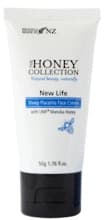

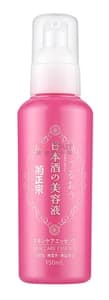


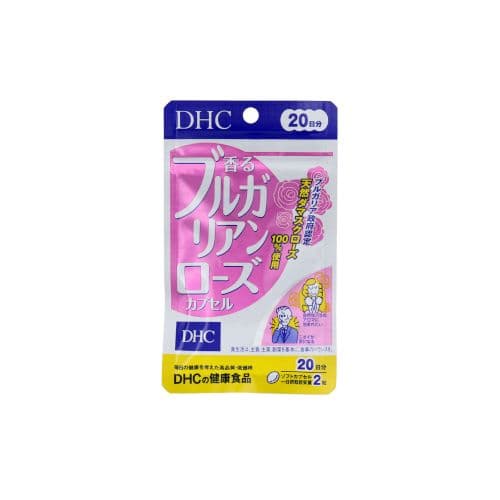


Related ingredients
Frequently asked questions
- placental extract é seguro durante a gravidez?
- No harmonised CLP reproductive classification (ECHA Annex VI) or SCCS/CIR reproductive safety conclusion specific to 'placental extract' indicating a developmental/teratogenic hazard. Peer‑reviewed literature reports biological activity of placental extracts (growth factors, hormones) but does not provide consistent in vivo evidence of teratogenicity at cosmetic topical exposures; therefore default hazard and mechanism scores are 0. Topical systemic absorption of large peptides/proteins from intact adult skin is expected to be negligible for cosmetics, so exposure scored 0 (sources: ECHA Annex VI — no harmonised classification; CIR/SCCS — no specific unsafe finding; PubMed general literature on placental extracts; CosIng entry).
- placental extract é seguro durante a amamentação?
- No evidence of reproductive/lactation hazard or harmonised classification. Because topical systemic absorption in adults is expected to be negligible for placental extracts (large peptides/proteins), milk transfer is unlikely at cosmetic exposures; thus hazard and mechanism 0 and exposure 0 (sources: same as pregnancy: ECHA Annex VI, CIR/SCCS absence of adverse classification, PubMed/CosIng).
- placental extract é seguro para a pele do bebê?
- No infant‑specific reproductive or developmental hazard data identified; no harmonised classification or SCCS/CIR contraindication specific to infants. Mechanistic concerns not demonstrated for infant outcomes, so h and m remain 0. Exposure increased to 1 because infant skin has higher permeability and immature barrier function; while adult dermal absorption of placental extract peptides/proteins is negligible, a precautionary small increase in exposure score for 0–3 yr skin is applied (sources: general PubMed literature on placental extract composition and skin barrier physiology; CosIng; absence of ECHA harmonised CLP classification).
- Como o VeriMom pontua placental extract?
- O VeriMom pontua placental extract em 100/100 (sem riscos conhecidos) com base no status EU CosIng, classificações de perigo ECHA e estudos revisados por pares no PubMed. Nosso pipeline de pontuação é totalmente transparente.
- Quais são as alternativas seguras a placental extract na gravidez?
- Veja nossa lista curada de alternativas seguras a placental extract com base em função semelhante e classificação sem riscos conhecidos.
Verifique qualquer rótulo em 2 segundos
Baixe o VeriMom grátis — escaneie qualquer produto e veja a pontuação de segurança na gravidez instantaneamente.
Aviso Médico
Estas informações são apenas para fins educacionais e não constituem aconselhamento médico. As pontuações de segurança são baseadas em dados publicamente disponíveis e podem não refletir todos os riscos. Sempre consulte seu profissional de saúde antes de usar qualquer produto durante a gravidez ou amamentação.