 VeriMom
phellinus linteus extract é seguro durante a gravidez?
Reviewed by VeriMom Editorial Team · Last reviewed
Ingredientes
phellinus linteus extract
SEM RISCOS CONHECIDOS100
/100
0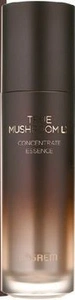
Pregnancy-safe products containing phellinus linteus extract
The saem
The Saem True Mushroom LX Concentrate Essence
100/100
BERRISOM
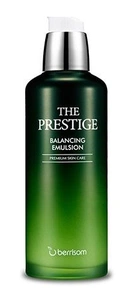
BERRISOM The Prestige Balancing Emulsion
99/100
BERRISOM
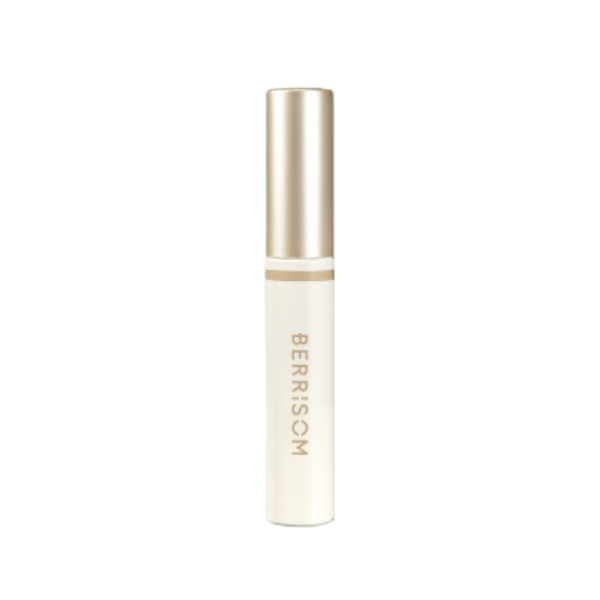
Berrisom Real Me Biothenol Lash Up Ampoule - 9ml
99/100
BERRISOM
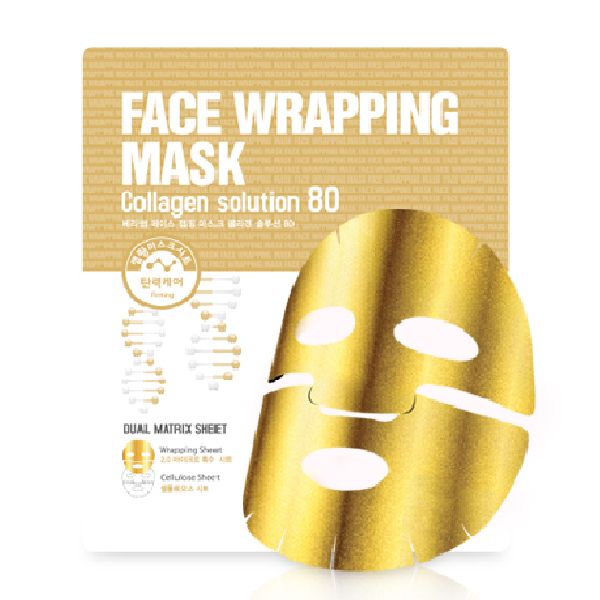
Berrisom Face Wrapping Mask - Collagen Solution 80
99/100
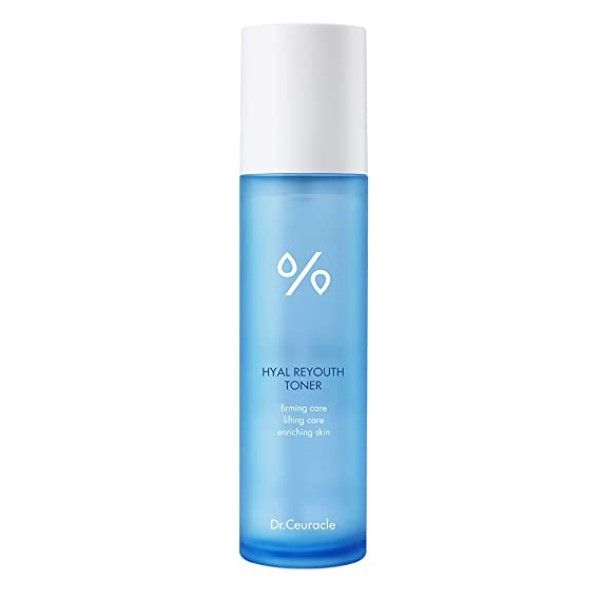
Dr.Ceuracle Hyal Reyouth Toner - 120ml
98/100
Dr. Ceuracle
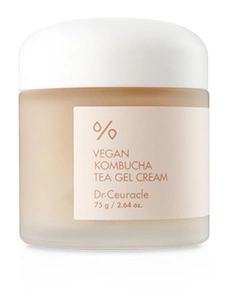
Dr. Ceuracle Vegan Kombucha Tea Gel Cream
98/100
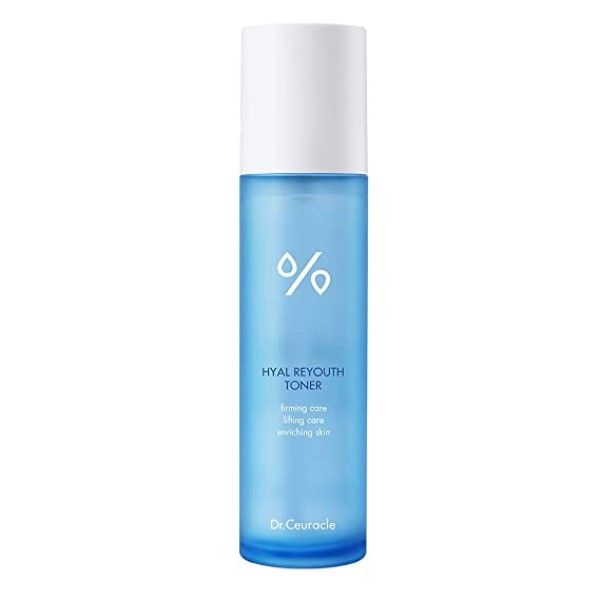
Dr.Ceuracle Hyal Reyouth Toner - 120ml
98/100
Dr. G
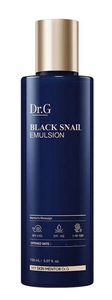
Dr. G Black Snail Emulsion
98/100
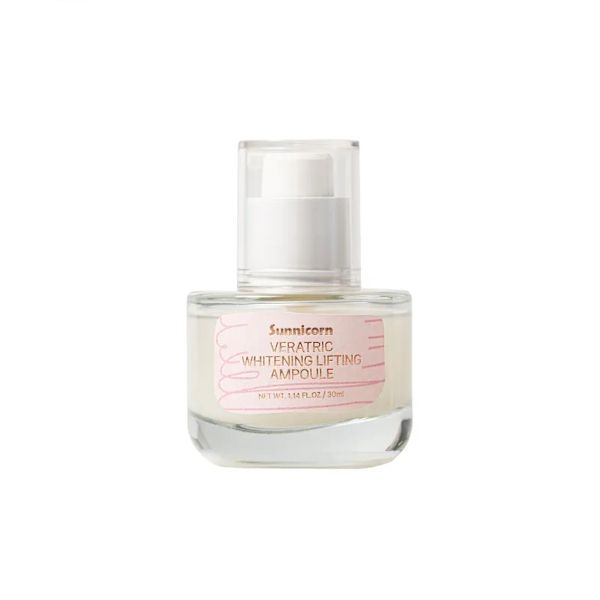
Sunnicorn
Sunnicorn Veratric Whitening Lifting Ampoule - 30ml
98/100
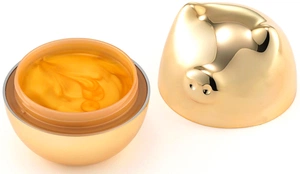
TonyMoly
TonyMoly Golden Pig Collagen Bounce Mask
98/100
Related ingredients
Veja também
Sources & references
Authoritative references used to score this ingredient.
Frequently asked questions
- phellinus linteus extract é seguro durante a gravidez?
- No harmonised CLP classification (ECHA Annex VI) or SCCS/CIR safety assessment indicating reproductive or developmental toxicity for phellinus linteus extract. Peer‑reviewed literature on Phellinus linteus focuses on immunomodulatory and anticancer activities; there are no well‑documented animal or human reproductive toxicity studies indicating teratogenicity. The extract is typically rich in high‑molecular‑weight polysaccharides which have low dermal bioavailability, consistent with negligible systemic exposure from cosmetic topical use (sources: PubMed, PubChem, ECHA/CosIng absence of harmonised hazard).
- phellinus linteus extract é seguro durante a amamentação?
- No evidence in authoritative sources (no harmonised CLP classification, no CIR or SCCS opinion) of reproductive or lactation hazards or mechanisms for transfer into breastmilk. No specific studies document transfer into milk or adverse effects in nursing infants. Given likely low dermal absorption of polysaccharide‑rich extracts, systemic exposure is expected to be negligible for topical cosmetic use (sources: PubMed, PubChem, CosIng/ECHA records).
- phellinus linteus extract é seguro para a pele do bebê?
- No evidence of intrinsic reproductive/toxic hazard to infants. However, because Phellinus linteus extract is a complex mixture often containing large polysaccharides (low absorption) but may contain smaller secondary metabolites in some preparations, and because infant skin has a higher surface‑area‑to‑bodyweight ratio and an immature barrier, exposure is considered low but measurable for babies (adult e adjusted +1). No infant‑specific toxicity studies were identified (sources: PubMed, PubChem, CosIng).
- Como o VeriMom pontua phellinus linteus extract?
- O VeriMom pontua phellinus linteus extract em 100/100 (sem riscos conhecidos) com base no status EU CosIng, classificações de perigo ECHA e estudos revisados por pares no PubMed. Nosso pipeline de pontuação é totalmente transparente.
- Quais são as alternativas seguras a phellinus linteus extract na gravidez?
- Veja nossa lista curada de alternativas seguras a phellinus linteus extract com base em função semelhante e classificação sem riscos conhecidos.
Verifique seus próprios cosméticos
Cole a lista de ingredientes de qualquer produto no nosso verificador gratuito e veja cada ingrediente avaliado com base em dados regulatórios da UE e pesquisas revisadas por pares.
Abrir o verificador de ingredientes seguros na gravidezVerifique qualquer rótulo em 2 segundos
Baixe o VeriMom grátis — escaneie qualquer produto e veja a pontuação de segurança na gravidez instantaneamente.
Aviso Médico
Estas informações são apenas para fins educacionais e não constituem aconselhamento médico. As pontuações de segurança são baseadas em dados publicamente disponíveis e podem não refletir todos os riscos. Sempre consulte seu profissional de saúde antes de usar qualquer produto durante a gravidez ou amamentação.