 VeriMom
methylisothiazolinone é seguro durante a gravidez?
Reviewed by VeriMom Editorial Team · Last reviewed
Ingredientes
methylisothiazolinone
SEM RISCOS CONHECIDOS93
/100
0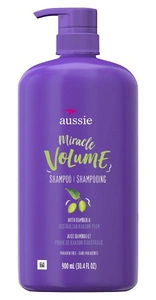
Pregnancy-safe products containing methylisothiazolinone
Aussie
Aussie Miracle Volume Shampoo For Fine Hair, Plum & Bamboo
99/100
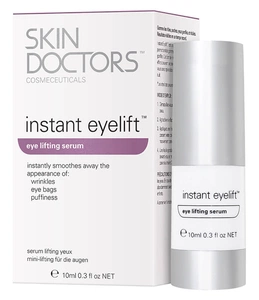
Skin doctors
Skin doctors Instant Eyelift
99/100
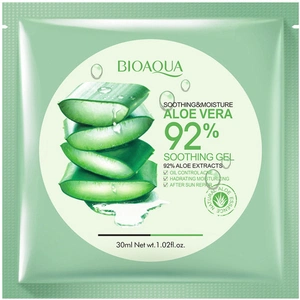
Bioaqua
BioAqua Aloe Vera 92% Soothing Gel
99/100
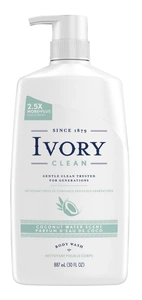
Ivory
Ivory Clean Body Wash
99/100
OLAY
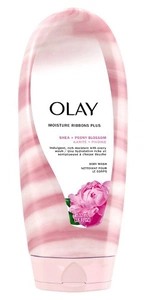
Olay Shea + Peony Blossom Body Wash
99/100
Old Spice
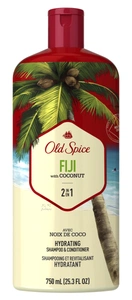
Old Spice Fiji 2In1 Shampoo And Conditioner
99/100
Helena Professional
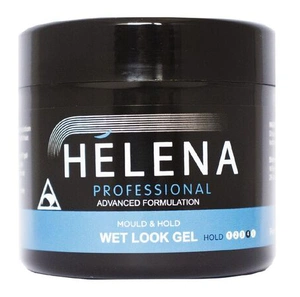
Helena Professional Hair Gel
99/100
open beauty facts
Unknown
pantene
99/100
grace & stella
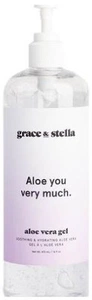
grace & stella Aloe Vera Gel
99/100
Herbal Essences
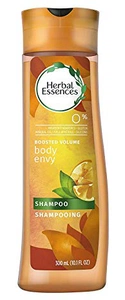
Herbal Essences Body Envy Volumizing Shampoo
99/100
Related ingredients
Veja também
Sources & references
Authoritative references used to score this ingredient.
Frequently asked questions
- methylisothiazolinone é seguro durante a gravidez?
- No harmonised reproductive classification (no H360/H361) in ECHA Annex VI for methylisothiazolinone; authoritative assessments (ECHA Annex VI; CIR/SCCS coverage of isothiazolinones) identify acute toxicity and strong skin sensitization but do not identify developmental or reproductive toxicity. Dermal exposure from cosmetics is low but measurable for topical use (so e=1). Sources: ECHA Annex VI (harmonised CLP entries for isothiazolinones), CIR/SCCS reviews noting sensitization and local effects rather than reproductive hazards.
- methylisothiazolinone é seguro durante a amamentação?
- No evidence or harmonised classification indicating reproductive or lactation-specific toxicity or transfer to breastmilk; mechanism for reproductive/adverse developmental effects not reported. Systemic absorption from topical use can occur at low levels, so measurable but low exposure during breastfeeding (e=1). Sources: ECHA Annex VI; CIR/SCCS assessments; PubChem/GHS summaries.
- methylisothiazolinone é seguro para a pele do bebê?
- No data indicating direct reproductive toxicity to infants or infant-specific mechanistic effects. However, methylisothiazolinone is a known potent skin sensitizer and can cause allergic contact dermatitis in infants; because infant skin has higher permeability and higher surface-area-to-weight, exposure ranking is increased by +1 (adult e=1 → infant e=2). This reflects higher potential for systemic uptake relative to adult use but not evidence of developmental toxicity. Sources: ECHA Annex VI (harmonised hazard classification including H317 skin sensitiser), CIR/SCCS commentary on isothiazolinone sensitization risk.
- Como o VeriMom pontua methylisothiazolinone?
- O VeriMom pontua methylisothiazolinone em 93/100 (sem riscos conhecidos) com base no status EU CosIng, classificações de perigo ECHA e estudos revisados por pares no PubMed. Nosso pipeline de pontuação é totalmente transparente.
- Quais são as alternativas seguras a methylisothiazolinone na gravidez?
- Veja nossa lista curada de alternativas seguras a methylisothiazolinone com base em função semelhante e classificação sem riscos conhecidos.
Verifique seus próprios cosméticos
Cole a lista de ingredientes de qualquer produto no nosso verificador gratuito e veja cada ingrediente avaliado com base em dados regulatórios da UE e pesquisas revisadas por pares.
Abrir o verificador de ingredientes seguros na gravidezVerifique qualquer rótulo em 2 segundos
Baixe o VeriMom grátis — escaneie qualquer produto e veja a pontuação de segurança na gravidez instantaneamente.
Aviso Médico
Estas informações são apenas para fins educacionais e não constituem aconselhamento médico. As pontuações de segurança são baseadas em dados publicamente disponíveis e podem não refletir todos os riscos. Sempre consulte seu profissional de saúde antes de usar qualquer produto durante a gravidez ou amamentação.