 VeriMom
mentha spicata flower/leaf/stem oil é seguro durante a gravidez?
No harmonised reproductive classification for Mentha spicata flower/leaf/stem oil in ECHA Annex VI and no CIR conclusion identifying reproductive hazard for topical cosmetic use. Some peer‑reviewed oral ingestion studies (e.g., spearmint tea) report anti‑androgenic effects in humans/animals suggesting a possible mechanism (theoretical) if systemically exposed, but there is no consistent animal/human evidence of teratogenicity from cosmetic topical use. Dermal exposure from cosmetics is expected to be low but measurable. Sources: ECHA Annex VI (no harmonised CLP for this oil), CIR (no reproductive flag for cosmetic use), PubMed (human/animal oral anti‑androgenic data), ECHA registration dossiers / PubChem (constituents such as carvone/limonene noted but not H360/H361).
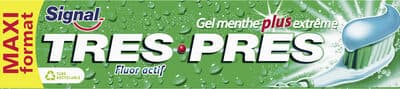
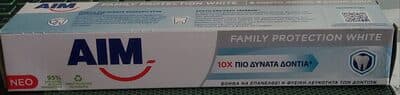
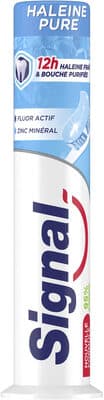
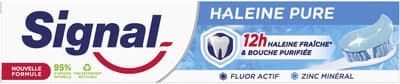
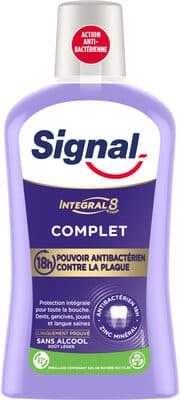
Pregnancy-safe products containing mentha spicata flower/leaf/stem oil
Related ingredients
Frequently asked questions
- mentha spicata flower/leaf/stem oil é seguro durante a gravidez?
- No harmonised reproductive classification for Mentha spicata flower/leaf/stem oil in ECHA Annex VI and no CIR conclusion identifying reproductive hazard for topical cosmetic use. Some peer‑reviewed oral ingestion studies (e.g., spearmint tea) report anti‑androgenic effects in humans/animals suggesting a possible mechanism (theoretical) if systemically exposed, but there is no consistent animal/human evidence of teratogenicity from cosmetic topical use. Dermal exposure from cosmetics is expected to be low but measurable. Sources: ECHA Annex VI (no harmonised CLP for this oil), CIR (no reproductive flag for cosmetic use), PubMed (human/animal oral anti‑androgenic data), ECHA registration dossiers / PubChem (constituents such as carvone/limonene noted but not H360/H361).
- mentha spicata flower/leaf/stem oil é seguro durante a amamentação?
- No harmonised classification or regulatory safety assessment identifying lactation/milk‑transfer hazards for spearmint oil. Theoretical mechanism (anti‑androgenic activity after systemic exposure) is reported in oral studies, but there is no direct evidence of transfer via breast milk or harm to breastfed infants from cosmetic topical use. Dermal absorption from cosmetics is expected to be low but measurable. Sources: ECHA Annex VI, CIR, PubMed.
- mentha spicata flower/leaf/stem oil é seguro para a pele do bebê?
- Regulatory sources do not list a harmonised reproductive/specific infant hazard for Mentha spicata oil. The putative anti‑androgenic activity is based on systemic oral exposures and remains theoretical for topical use. Per instructions, absorption exposure score increased by +1 for infants: if adult dermal exposure is low/measurable, infant exposure is considered higher due to immature barrier and higher surface area/weight. Additionally, constituents of the oil (e.g., limonene, other terpenes) can be skin sensitisers, which is a separate concern for infant topical use. Sources: ECHA Annex VI, PubMed, ECHA registration dossiers / CosIng (composition information).
- Como o VeriMom pontua mentha spicata flower/leaf/stem oil?
- O VeriMom pontua mentha spicata flower/leaf/stem oil em 87/100 (risco baixo) com base no status EU CosIng, classificações de perigo ECHA e estudos revisados por pares no PubMed. Nosso pipeline de pontuação é totalmente transparente.
- Quais são as alternativas seguras a mentha spicata flower/leaf/stem oil na gravidez?
- Veja nossa lista curada de alternativas seguras a mentha spicata flower/leaf/stem oil com base em função semelhante e classificação sem riscos conhecidos.
Verifique qualquer rótulo em 2 segundos
Baixe o VeriMom grátis — escaneie qualquer produto e veja a pontuação de segurança na gravidez instantaneamente.
Aviso Médico
Estas informações são apenas para fins educacionais e não constituem aconselhamento médico. As pontuações de segurança são baseadas em dados publicamente disponíveis e podem não refletir todos os riscos. Sempre consulte seu profissional de saúde antes de usar qualquer produto durante a gravidez ou amamentação.