 VeriMom
distearyldimonium chloride é seguro durante a gravidez?
Reviewed by VeriMom Editorial Team · Last reviewed
Ingredientes
distearyldimonium chloride
SEM RISCOS CONHECIDOS93
/100
0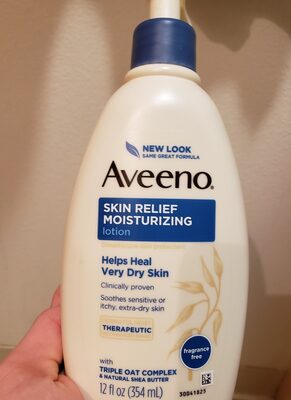

Pregnancy-safe products containing distearyldimonium chloride
Unknown
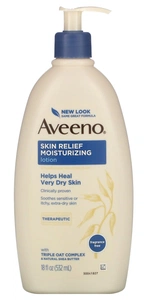
Aveeno Skin relief moisturizing lotion
98/100
Monoprix
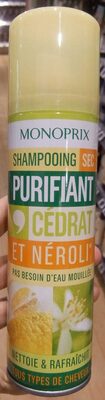
Shampoing sec
98/100
Balea
Balea Trocken Shampoo
98/100
Alama professional
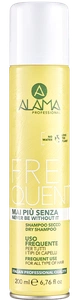
Alama Professional Frequent Dry Shampoo
98/100
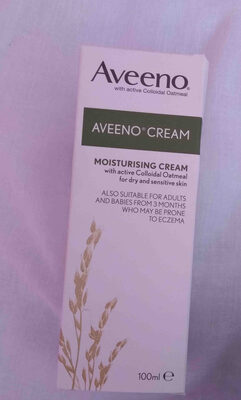
Aveeno
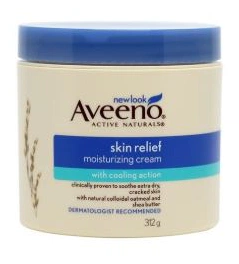
Aveeno Skin Relief Moisturizing Cream With Cooling Action
98/100
uncategorized
Unknown
johnsons
98/100
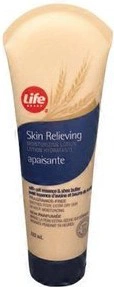
Life Brand
Life Brand Skin Relieving Moisturizing Lotion
98/100
Aveeno
Aveeno Skin Relief Lotion
98/100
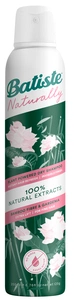
Batiste
Batiste Naturally Dry Shampoo
98/100
Unknown
Aveeno
98/100
Related ingredients
Veja também
Sources & references
Authoritative references used to score this ingredient.
Frequently asked questions
- distearyldimonium chloride é seguro durante a gravidez?
- No harmonised reproductive classification (no H360/H361) for distearyldimonium chloride; ECHA classifications on record for this substance relate to severe eye damage (H318) and aquatic toxicity (H400, H410) rather than reproductive toxicity (ECHA Annex VI). No authoritative CIR or SCCS reproductive restriction was identified in the provided regulatory context. Dermal systemic absorption of quaternary ammonium salts is generally low, so systemic exposure from typical topical cosmetic use is expected to be low (e=1). Sources checked: ECHA Annex VI, ECHA H-codes, PubChem, CosIng, CIR, PubMed, EWG.
- distearyldimonium chloride é seguro durante a amamentação?
- No evidence or harmonised classification indicating reproductive or lactation hazards. Given low expected dermal absorption of quaternary ammonium compounds, systemic exposure and transfer into breastmilk would be low for typical topical use (e=1). No specific breastfeeding studies were identified in the provided sources.
- distearyldimonium chloride é seguro para a pele do bebê?
- No infant-specific reproductive/toxicological classification found. However, because infant (0–3 y) skin has higher permeability and higher surface‑area‑to‑body‑weight ratio, exposure score is increased by +1 versus adult (adult e=1 → infant e=2). Additionally, the main regulatory flags for this chemical relate to eye damage and environmental toxicity rather than systemic developmental toxicity (ECHA Annex VI).
- Como o VeriMom pontua distearyldimonium chloride?
- O VeriMom pontua distearyldimonium chloride em 93/100 (sem riscos conhecidos) com base no status EU CosIng, classificações de perigo ECHA e estudos revisados por pares no PubMed. Nosso pipeline de pontuação é totalmente transparente.
- Quais são as alternativas seguras a distearyldimonium chloride na gravidez?
- Veja nossa lista curada de alternativas seguras a distearyldimonium chloride com base em função semelhante e classificação sem riscos conhecidos.
Verifique qualquer rótulo em 2 segundos
Baixe o VeriMom grátis — escaneie qualquer produto e veja a pontuação de segurança na gravidez instantaneamente.
Aviso Médico
Estas informações são apenas para fins educacionais e não constituem aconselhamento médico. As pontuações de segurança são baseadas em dados publicamente disponíveis e podem não refletir todos os riscos. Sempre consulte seu profissional de saúde antes de usar qualquer produto durante a gravidez ou amamentação.