 VeriMom
dimethylaminoethanol tartrate é seguro durante a gravidez?
No harmonised ECHA CLP reproductive classification (H361/H360) or SCCS/CIR safety opinion reporting reproductive hazard was identified. PubChem lists the substance and ECHA registration materials discuss systemic/toxicokinetic behaviour of DMAE (parent), and some older human supplement literature notes contraindication in pregnancy, but that is not a harmonised regulatory classification; overall there is no reliable animal or human reproductive toxicity evidence to support a reproductive hazard. Topical use has potential for low but measurable systemic absorption given the small, water‑soluble DMAE parent; therefore exposure is scored as low but measurable. (Sources: PubChem; ECHA registration dossier; EWG).
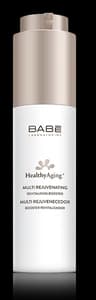
Pregnancy-safe products containing dimethylaminoethanol tartrate
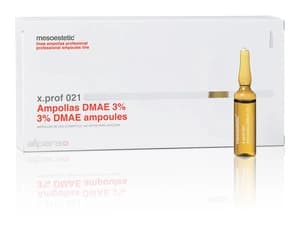

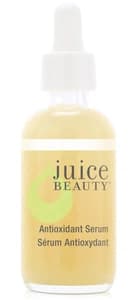


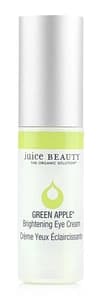

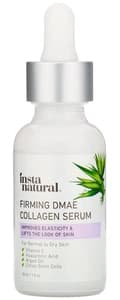
Related ingredients
Frequently asked questions
- dimethylaminoethanol tartrate é seguro durante a gravidez?
- No harmonised ECHA CLP reproductive classification (H361/H360) or SCCS/CIR safety opinion reporting reproductive hazard was identified. PubChem lists the substance and ECHA registration materials discuss systemic/toxicokinetic behaviour of DMAE (parent), and some older human supplement literature notes contraindication in pregnancy, but that is not a harmonised regulatory classification; overall there is no reliable animal or human reproductive toxicity evidence to support a reproductive hazard. Topical use has potential for low but measurable systemic absorption given the small, water‑soluble DMAE parent; therefore exposure is scored as low but measurable. (Sources: PubChem; ECHA registration dossier; EWG).
- dimethylaminoethanol tartrate é seguro durante a amamentação?
- No credible data (animal or human) showing reproductive or lactation/toxic effects specific to dimethylaminoethanol tartrate were found in authoritative cosmetic safety sources. Given the parent DMAE is systemically absorbed in some contexts, topical cosmetic use could give low but measurable maternal systemic exposure and therefore low exposure to breastmilk is plausible; no direct studies demonstrating transfer into milk were identified.
- dimethylaminoethanol tartrate é seguro para a pele do bebê?
- No infant‑specific reproductive or developmental hazard data were identified. Because the ingredient (as DMAE salt) is small and has measurable absorption in other exposure routes, immature infant skin has higher absorption per body weight — exposure score is increased by +1 relative to adults (adult e=1 → infant e=2). No evidence was found that infant skin exposure produces developmental toxicity or local systemic harm.
- Como o VeriMom pontua dimethylaminoethanol tartrate?
- O VeriMom pontua dimethylaminoethanol tartrate em 93/100 (sem riscos conhecidos) com base no status EU CosIng, classificações de perigo ECHA e estudos revisados por pares no PubMed. Nosso pipeline de pontuação é totalmente transparente.
- Quais são as alternativas seguras a dimethylaminoethanol tartrate na gravidez?
- Veja nossa lista curada de alternativas seguras a dimethylaminoethanol tartrate com base em função semelhante e classificação sem riscos conhecidos.
Verifique qualquer rótulo em 2 segundos
Baixe o VeriMom grátis — escaneie qualquer produto e veja a pontuação de segurança na gravidez instantaneamente.
Aviso Médico
Estas informações são apenas para fins educacionais e não constituem aconselhamento médico. As pontuações de segurança são baseadas em dados publicamente disponíveis e podem não refletir todos os riscos. Sempre consulte seu profissional de saúde antes de usar qualquer produto durante a gravidez ou amamentação.