 VeriMom
diethylhexyl succinate é seguro durante a gravidez?
Reviewed by VeriMom Editorial Team · Last reviewed
Ingredientes
diethylhexyl succinate
SEM RISCOS CONHECIDOS93
/100
0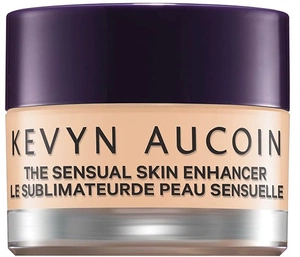
Pregnancy-safe products containing diethylhexyl succinate
Kevyn Aucoin
Kevyn Aucoin The Sensual Skin Enhancer
99/100
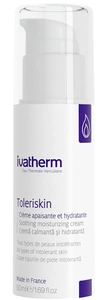
Ivatherm
Ivatherm Toleriskin Soothing Moisturizing Cream
99/100
sunscreen
COSRX
COSRX Ultra-Light Invisible Sunscreen SPF50/PA++++ (50ml)
98/100
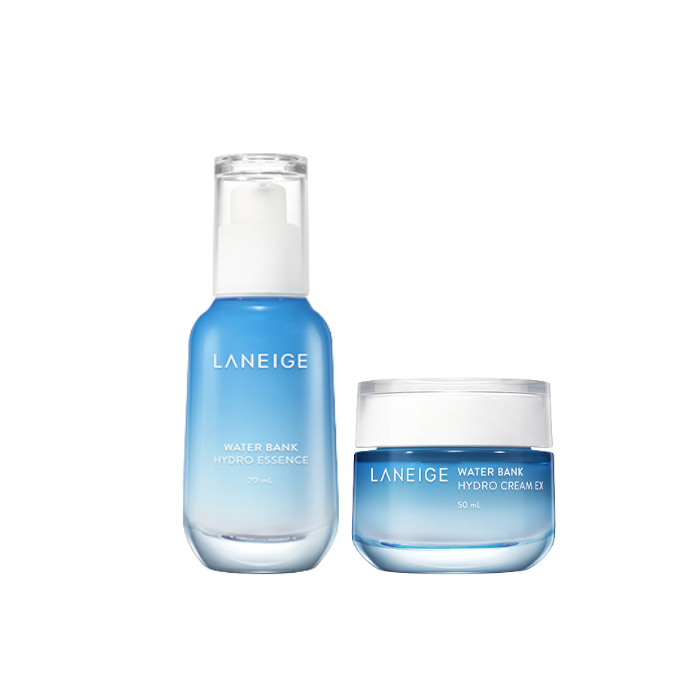
Laneige
LANEIGE Water Bank Hydro Duo Set
98/100
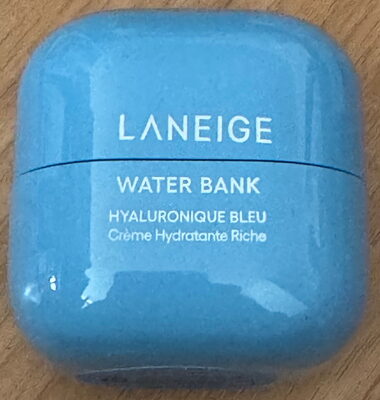
Laneige
Water Bank Hyaluronique Bleu
98/100
hair-care
COSRX
COSRX Ultra-Light Invisible Sunscreen SPF50/PA++++
98/100
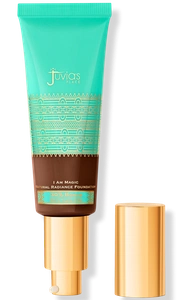
Juvia’s Place
Juvia’s Place I Am Magic Natural Radiance Foundation
98/100
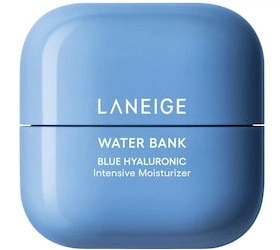
Laneige
LANEIGE Water Bank Blue Hyaluronic Intensive Moisturizer
98/100
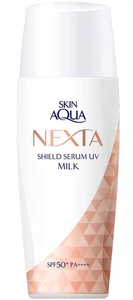
Skin Aqua
Skin Aqua Nexta Shield Serum UV Milk
98/100
sunscreen
COSRX
COSRX Ultra-Light Invisible Sunscreen
98/100
Related ingredients
Veja também
Sources & references
Authoritative references used to score this ingredient.
Frequently asked questions
- diethylhexyl succinate é seguro durante a gravidez?
- No harmonised CLP classification for reproductive toxicity (ECHA Annex VI) and no SCCS or CIR reproductive/toxicity opinion located. PubChem/ECHA registration summaries report no reproductive hazard classification or human reproductive data; therefore no evidence of reproductive hazard (h=0). No specific mechanism identified in the literature (m=0). Dermal use as a cosmetic emollient and its moderate lipophilicity indicate low but measurable potential for absorption after topical use (e=1). Sources consulted: ECHA (Annex VI and registration dossiers), PubChem, CosIng.
- diethylhexyl succinate é seguro durante a amamentação?
- No evidence of reproductive or developmental toxicity or of mammary transfer in available regulatory summaries or PubMed; therefore h=0 and m=0. Systemic exposure from topical use is considered low but measurable, so potential for maternal systemic exposure and therefore possible transfer via milk is low (e=1). Sources: ECHA registration summaries, PubChem, CosIng.
- diethylhexyl succinate é seguro para a pele do bebê?
- No infant-specific safety or reproductive data located and no regulatory flags for reproduction or developmental toxicity (h=0, m=0). Because infant skin has a higher surface-area-to-body-weight ratio and less mature barrier, exposure score is increased by +1 relative to adult topical use (adult e=1 → baby e=2). Sources: CosIng (ingredient use as emollient), PubChem, ECHA registration dossiers; no SCCS/CIR opinion or PubMed studies demonstrating infant-specific risk were found.
- Como o VeriMom pontua diethylhexyl succinate?
- O VeriMom pontua diethylhexyl succinate em 93/100 (sem riscos conhecidos) com base no status EU CosIng, classificações de perigo ECHA e estudos revisados por pares no PubMed. Nosso pipeline de pontuação é totalmente transparente.
- Quais são as alternativas seguras a diethylhexyl succinate na gravidez?
- Veja nossa lista curada de alternativas seguras a diethylhexyl succinate com base em função semelhante e classificação sem riscos conhecidos.
Verifique seus próprios cosméticos
Cole a lista de ingredientes de qualquer produto no nosso verificador gratuito e veja cada ingrediente avaliado com base em dados regulatórios da UE e pesquisas revisadas por pares.
Abrir o verificador de ingredientes seguros na gravidezVerifique qualquer rótulo em 2 segundos
Baixe o VeriMom grátis — escaneie qualquer produto e veja a pontuação de segurança na gravidez instantaneamente.
Aviso Médico
Estas informações são apenas para fins educacionais e não constituem aconselhamento médico. As pontuações de segurança são baseadas em dados publicamente disponíveis e podem não refletir todos os riscos. Sempre consulte seu profissional de saúde antes de usar qualquer produto durante a gravidez ou amamentação.