 VeriMom
(cnidium officinale/coptis chinensis/glycyrrhiza uralensis) root extract é seguro durante a gravidez?
No harmonised reproductive classification was identified in ECHA Annex VI for this ingredient name, and there are no CIR or SCCS safety assessments specific to the (Cnidium officinale / Coptis chinensis / Glycyrrhiza uralensis) root extract mixture. Available cosmetic/regulatory databases (CosIng, ECHA) and the general ingredient records (PubChem) do not list a CLP reproductive hazard or an SCCS/CIR restriction for topical cosmetic use, and no consistent human teratogenic signal in the regulatory literature was found.
Pregnancy-safe products containing (cnidium officinale/coptis chinensis/glycyrrhiza uralensis) root extract
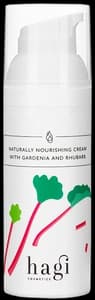
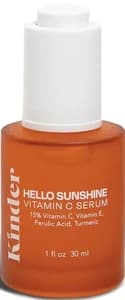
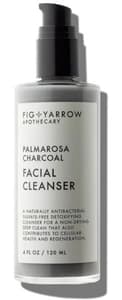
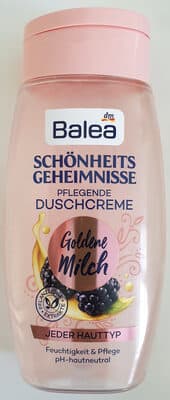
Related ingredients
Frequently asked questions
- (cnidium officinale/coptis chinensis/glycyrrhiza uralensis) root extract é seguro durante a gravidez?
- No harmonised reproductive classification was identified in ECHA Annex VI for this ingredient name, and there are no CIR or SCCS safety assessments specific to the (Cnidium officinale / Coptis chinensis / Glycyrrhiza uralensis) root extract mixture. Available cosmetic/regulatory databases (CosIng, ECHA) and the general ingredient records (PubChem) do not list a CLP reproductive hazard or an SCCS/CIR restriction for topical cosmetic use, and no consistent human teratogenic signal in the regulatory literature was found.
- (cnidium officinale/coptis chinensis/glycyrrhiza uralensis) root extract é seguro durante a amamentação?
- As for pregnancy: no harmonised CLP reproductive/menace classification or authoritative CIR/SCCS restriction was identified for this cosmetic extract mixture. There is no regulatory evidence that topical use leads to systemic levels known to affect lactation or present risks to breastfed infants.
- (cnidium officinale/coptis chinensis/glycyrrhiza uralensis) root extract é seguro para a pele do bebê?
- No specific reproductive or developmental hazard classification was found for this extract. Topical absorption from cosmetics is generally low for plant extracts, but infant skin has higher permeability; therefore exposure rating for baby skin is increased by +1 to reflect the greater potential for measurable absorption in 0–3 y.o. versus adults (no infant-specific toxicology data located).
- Como o VeriMom pontua (cnidium officinale/coptis chinensis/glycyrrhiza uralensis) root extract?
- O VeriMom pontua (cnidium officinale/coptis chinensis/glycyrrhiza uralensis) root extract em 100/100 (sem riscos conhecidos) com base no status EU CosIng, classificações de perigo ECHA e estudos revisados por pares no PubMed. Nosso pipeline de pontuação é totalmente transparente.
- Quais são as alternativas seguras a (cnidium officinale/coptis chinensis/glycyrrhiza uralensis) root extract na gravidez?
- Veja nossa lista curada de alternativas seguras a (cnidium officinale/coptis chinensis/glycyrrhiza uralensis) root extract com base em função semelhante e classificação sem riscos conhecidos.
Verifique qualquer rótulo em 2 segundos
Baixe o VeriMom grátis — escaneie qualquer produto e veja a pontuação de segurança na gravidez instantaneamente.
Aviso Médico
Estas informações são apenas para fins educacionais e não constituem aconselhamento médico. As pontuações de segurança são baseadas em dados publicamente disponíveis e podem não refletir todos os riscos. Sempre consulte seu profissional de saúde antes de usar qualquer produto durante a gravidez ou amamentação.