 VeriMom
citrus aurantifolia peel oil é seguro durante a gravidez?
No harmonised reproductive classification for Citrus aurantifolia (lime) peel oil in ECHA Annex VI and no SCCS/CIR finding of reproductive hazard; primary literature and ingredient databases list volatile terpenes (limonene, linalool, citral) as the main constituents but do not provide evidence of teratogenicity at cosmetic exposure levels. Dermal absorption of volatile, lipophilic essential-oil components is low but measurable for adults, so exposure scored as low (e=1). Sources: ECHA Annex VI (no harmonised H360/H361), CIR (ingredient reviews of citrus essential oils concluding 'safe as used' or restricted mainly for phototoxicity/sensitization), PubChem/CosIng composition data, PubMed reviews of citrus oil composition.
Pregnancy-safe products containing citrus aurantifolia peel oil


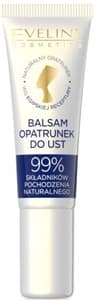


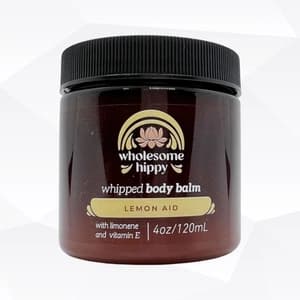
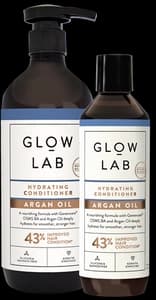
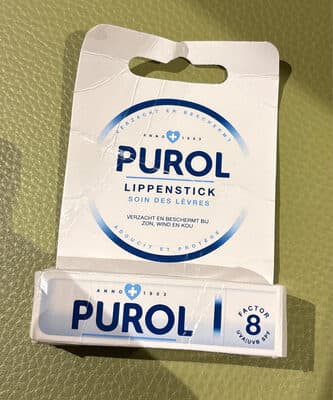
Related ingredients
Frequently asked questions
- citrus aurantifolia peel oil é seguro durante a gravidez?
- No harmonised reproductive classification for Citrus aurantifolia (lime) peel oil in ECHA Annex VI and no SCCS/CIR finding of reproductive hazard; primary literature and ingredient databases list volatile terpenes (limonene, linalool, citral) as the main constituents but do not provide evidence of teratogenicity at cosmetic exposure levels. Dermal absorption of volatile, lipophilic essential-oil components is low but measurable for adults, so exposure scored as low (e=1). Sources: ECHA Annex VI (no harmonised H360/H361), CIR (ingredient reviews of citrus essential oils concluding 'safe as used' or restricted mainly for phototoxicity/sensitization), PubChem/CosIng composition data, PubMed reviews of citrus oil composition.
- citrus aurantifolia peel oil é seguro durante a amamentação?
- No data indicating reproductive or lactation-specific toxicity; no harmonised classifications. Systemic maternal exposure from topical cosmetic use of citrus peel oils is low but measurable, so lactational exposure is scored as low (e=1). No evidence that components transfer in amounts of toxicological concern in normal cosmetic use. Sources: CIR, PubChem, CosIng, PubMed reviews.
- citrus aurantifolia peel oil é seguro para a pele do bebê?
- Hazard and mechanism: no infant-specific reproductive or developmental hazard data identified and no harmonised classification. Exposure: increased by one category for infants (per instructions) because baby skin has higher surface-area-to-weight and immature barrier; therefore exposure is moderate (e=2). Note: separate concerns for skin sensitization and potential phototoxicity (furocoumarins in some citrus oils) are relevant to topical irritation/photosafety but do not constitute reproductive hazards and were considered outside h/m scoring here. Sources: CIR, CosIng, PubChem, general paediatric dermal absorption principles.
- Como o VeriMom pontua citrus aurantifolia peel oil?
- O VeriMom pontua citrus aurantifolia peel oil em 93/100 (sem riscos conhecidos) com base no status EU CosIng, classificações de perigo ECHA e estudos revisados por pares no PubMed. Nosso pipeline de pontuação é totalmente transparente.
- Quais são as alternativas seguras a citrus aurantifolia peel oil na gravidez?
- Veja nossa lista curada de alternativas seguras a citrus aurantifolia peel oil com base em função semelhante e classificação sem riscos conhecidos.
Verifique qualquer rótulo em 2 segundos
Baixe o VeriMom grátis — escaneie qualquer produto e veja a pontuação de segurança na gravidez instantaneamente.
Aviso Médico
Estas informações são apenas para fins educacionais e não constituem aconselhamento médico. As pontuações de segurança são baseadas em dados publicamente disponíveis e podem não refletir todos os riscos. Sempre consulte seu profissional de saúde antes de usar qualquer produto durante a gravidez ou amamentação.