 VeriMom
chlorhexidine digluconate é seguro durante a gravidez?
Reviewed by VeriMom Editorial Team · Last reviewed
Ingredientes
chlorhexidine digluconate
SEM RISCOS CONHECIDOS100
/100
0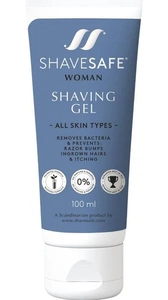


Pregnancy-safe products containing chlorhexidine digluconate
ShaveSafe
ShaveSafe Woman Shaving Gel All Skin Types
100/100
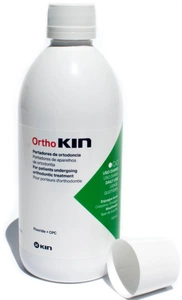
Ortho KIN
Ortho KIN Mouthwash
100/100
Savlon
Savlon Antiseptic Cream
100/100
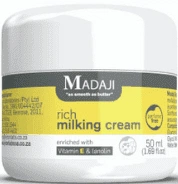
Madaji
Madaji Rich Milking Cream
100/100
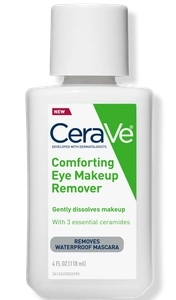
CeraVe
CeraVe Comforting Eye Makeup Remover
99/100
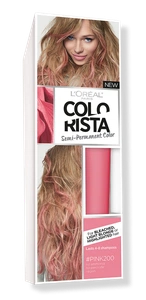
l-oreal
L'Oreal Semi-permanent Hair Color
99/100
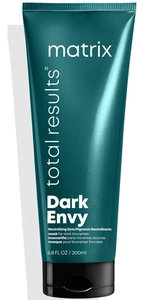
Matrix
Matrix Total Results Dark Envy Green Toning Mask
99/100
L'Oréal
Colorista washout #bluehair
99/100
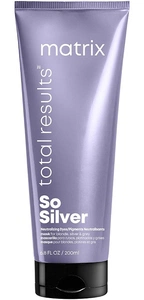
Matrix
Matrix Total Results So Silver Toning Hair Mask
99/100
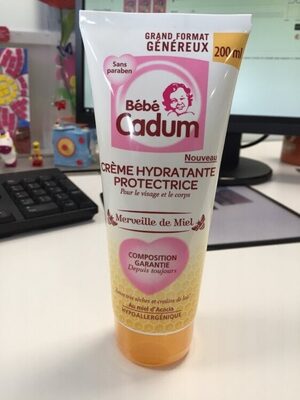
L'Oréal
Crème hydratante protectrice pour le visage et le corps
99/100
Related ingredients
Veja também
Sources & references
Authoritative references used to score this ingredient.
Frequently asked questions
- chlorhexidine digluconate é seguro durante a gravidez?
- No harmonised CLP classification for reproductive toxicity (no H361/H360) was found and the Cosmetic Ingredient Review (CIR) lists chlorhexidine digluconate with safety guidance (CIR safe-as-used at common cosmetic concentrations ≈0.2%). Animal reproductive/developmental studies reported in regulatory/SDS summaries found no teratogenicity or reproductive hazard at tested doses. These lines of evidence support no reproductive hazard and low systemic exposure after topical use. (CIR; regulatory dossiers; animal study summaries).
- chlorhexidine digluconate é seguro durante a amamentação?
- No evidence of reproductive/milk-transfer concerns in authoritative reviews; systemic absorption from topical application is minimal so transfer into breast milk is not expected at cosmetic use levels. Regulatory labeling and review documents note low absorption and no demonstrated effects in human pregnancy cohorts. (CIR; FDA/regulatory summaries).
- chlorhexidine digluconate é seguro para a pele do bebê?
- Hazard and mechanism: no infant‑specific reproductive hazard evidence was found. Exposure: because infant skin (0–3 yr) has a higher surface-area-to-weight and immature barrier, a small upward adjustment to exposure is appropriate (e=1) if the ingredient is used topically on infant skin — but systemic absorption is still generally low for chlorhexidine digluconate at cosmetic use concentrations. WHO guidance notes specific clinical uses (umbilical cord care) where chlorhexidine digluconate is used medically, but that reflects antiseptic use at higher concentrations and specific benefit/risk contexts. (CIR; PubMed/WHO cord-care literature).
- Como o VeriMom pontua chlorhexidine digluconate?
- O VeriMom pontua chlorhexidine digluconate em 100/100 (sem riscos conhecidos) com base no status EU CosIng, classificações de perigo ECHA e estudos revisados por pares no PubMed. Nosso pipeline de pontuação é totalmente transparente.
- Quais são as alternativas seguras a chlorhexidine digluconate na gravidez?
- Veja nossa lista curada de alternativas seguras a chlorhexidine digluconate com base em função semelhante e classificação sem riscos conhecidos.
Verifique seus próprios cosméticos
Cole a lista de ingredientes de qualquer produto no nosso verificador gratuito e veja cada ingrediente avaliado com base em dados regulatórios da UE e pesquisas revisadas por pares.
Abrir o verificador de ingredientes seguros na gravidezVerifique qualquer rótulo em 2 segundos
Baixe o VeriMom grátis — escaneie qualquer produto e veja a pontuação de segurança na gravidez instantaneamente.
Aviso Médico
Estas informações são apenas para fins educacionais e não constituem aconselhamento médico. As pontuações de segurança são baseadas em dados publicamente disponíveis e podem não refletir todos os riscos. Sempre consulte seu profissional de saúde antes de usar qualquer produto durante a gravidez ou amamentação.