 VeriMom
c14-22 alcohols é seguro durante a gravidez?
Reviewed by VeriMom Editorial Team · Last reviewed
Ingredientes
c14-22 alcohols
SEM RISCOS CONHECIDOS93
/100
0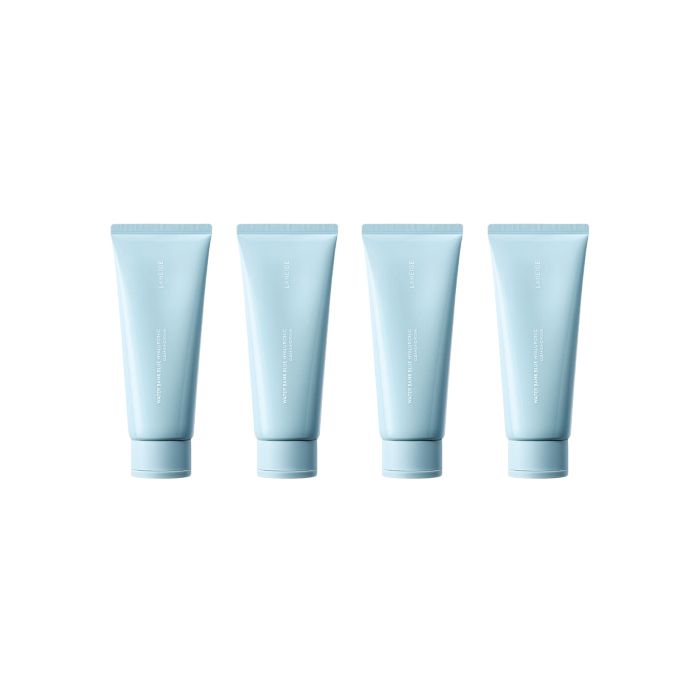
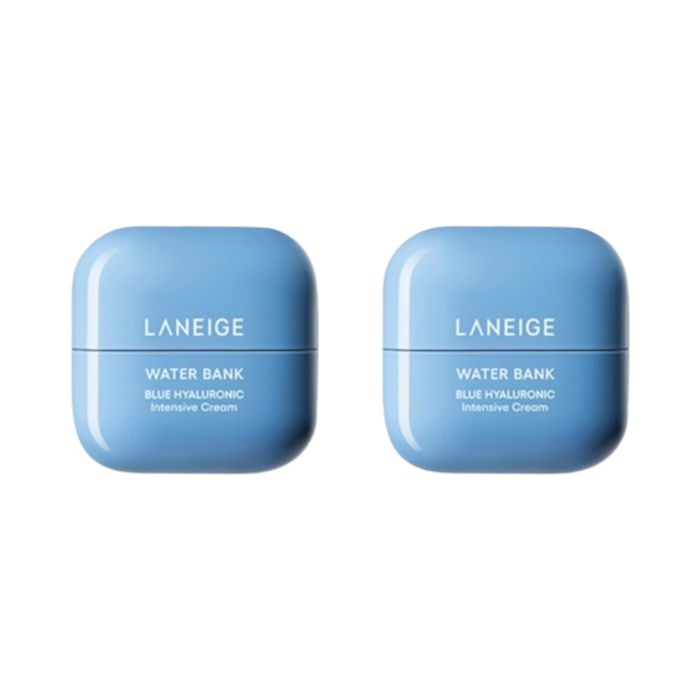
Pregnancy-safe products containing c14-22 alcohols
Laneige
LANEIGE Water Bank Blue Hyaluronic Cleansing Foam - 30g (4ea)
99/100
Laneige
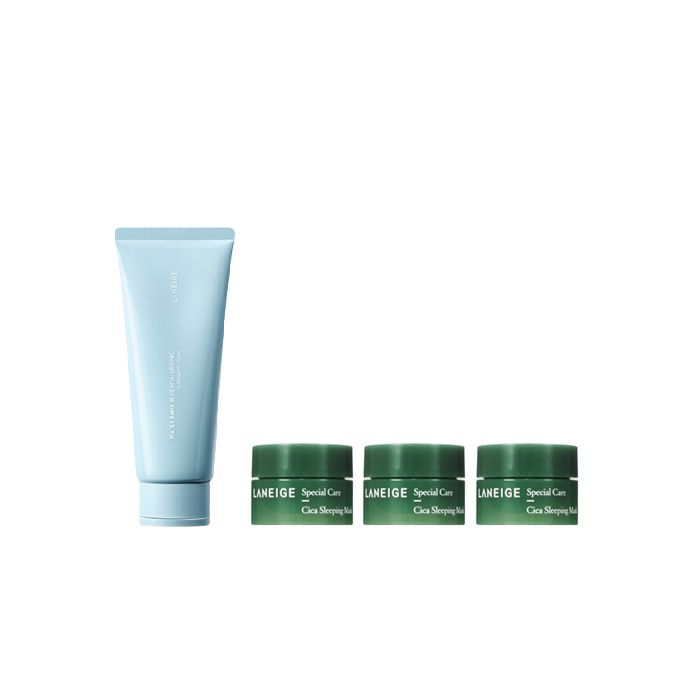
LANEIGE Water Bank Blue Hyaluronic Cleansing Foam - 150g (1ea) + Cica Sleeping Mask 10ml (3ea) Set
99/100
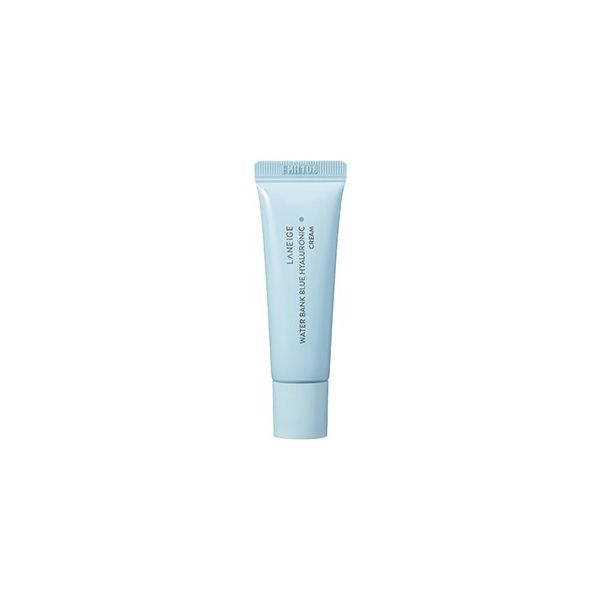
LANEIGE Water Bank Blue Hyaluronic Cream For Combination To Oily Skin - 10ml
99/100
Laneige
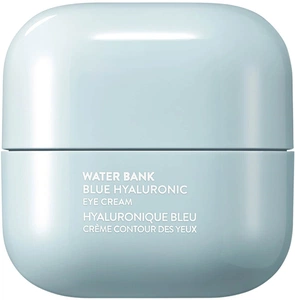
LANEIGE Water Bank Blue Hyaluronic Eye Cream
99/100
Laneige
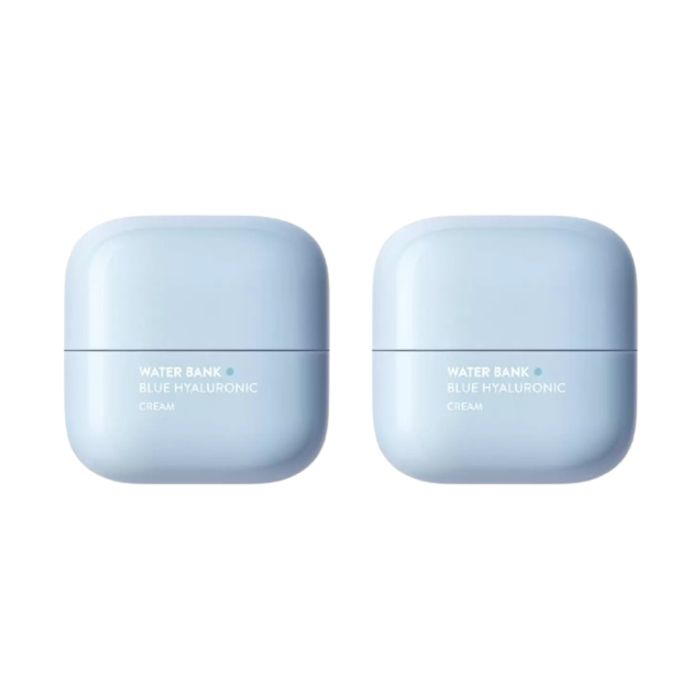
LANEIGE Water Bank Blue Hyaluronic Moisture Cream - 50ml (2ea) Set
99/100
Laneige
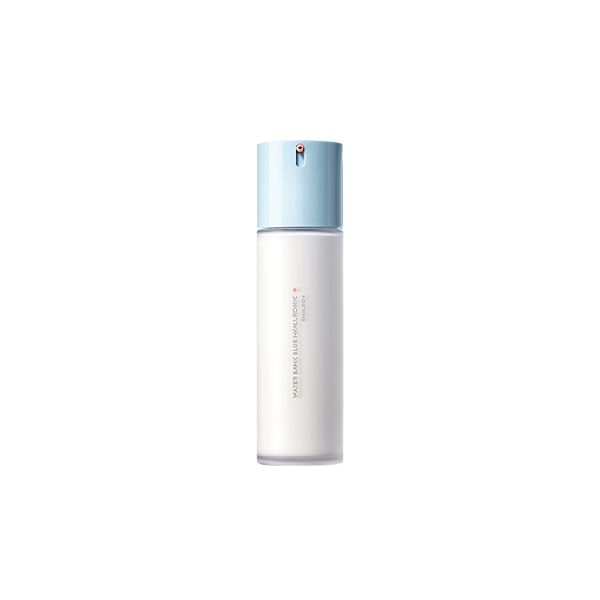
LANEIGE Water Bank Blue Hyaluronic Emulsion For Normal To Dry Skin - 120ml
99/100
BERRISOM
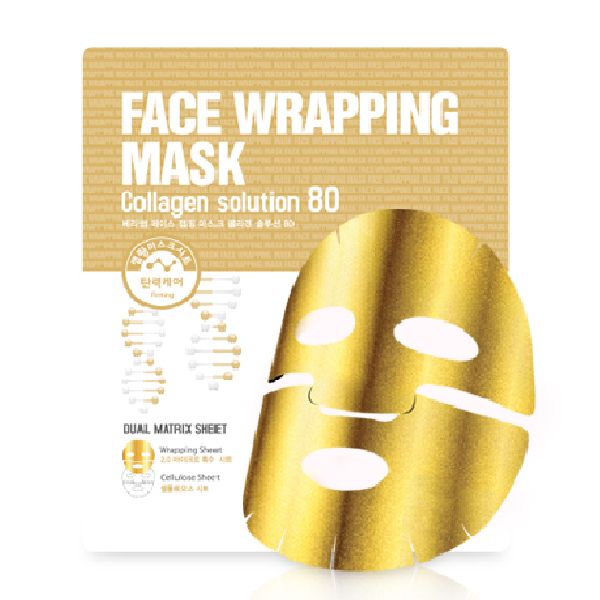
Berrisom Face Wrapping Mask - Collagen Solution 80
99/100
Laneige
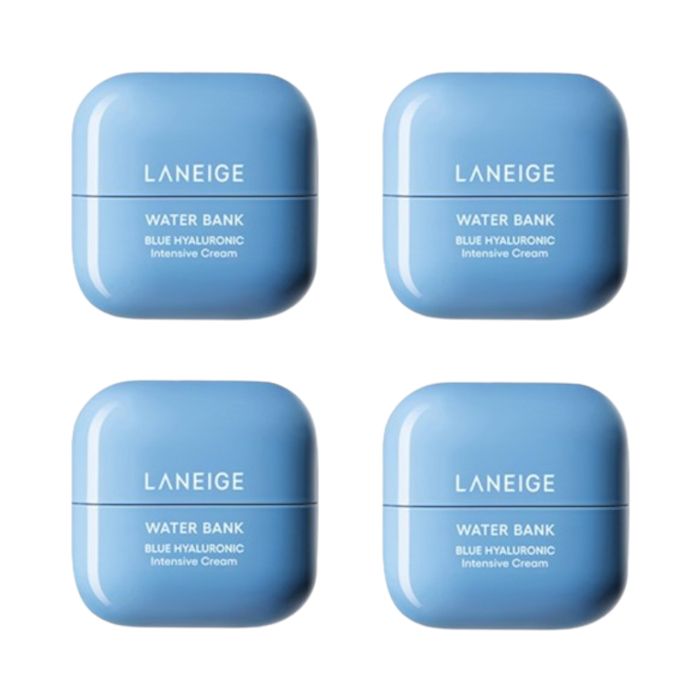
LANEIGE Water Bank Blue Hyaluronic Intensive Cream - 50ml (4ea) Set
99/100
Laneige
LANEIGE Water Bank Blue Hyaluronic Intensive Cream - 50ml (2ea) Set
99/100
LANEIGE Water Bank Blue Hyaluronic Serum - 50ml
99/100
Related ingredients
Veja também
Sources & references
Authoritative references used to score this ingredient.
Frequently asked questions
- c14-22 alcohols é seguro durante a gravidez?
- C14-22 alcohols are mixtures of long‑chain (fatty) primary alcohols (e.g., myristyl, cetyl, stearyl, behenyl). Cosmetic safety reviews (CIR) for individual long‑chain fatty alcohols (cetyl, stearyl, myristyl, behenyl, cetearyl mixtures) concluded they are safe in current cosmetic use and found no reproductive or teratogenic hazard; no harmonised reproductive classifications (H360/H361) were identified for the C14–C22 fatty alcohol group in ECHA’s public substance pages. Dermal absorption of long‑chain fatty alcohols is low, so systemic exposure from topical cosmetic use is low but measurable. (Sources: CIR ingredient pages; ECHA substance information; PubMed reproductive studies for behenyl/long‑chain alcohols).
- c14-22 alcohols é seguro durante a amamentação?
- There is no evidence from CIR reviews or peer‑reviewed studies that long‑chain fatty alcohols cause reproductive or lactation toxicity; they are not identified as developmental or lactation hazards in available dossiers. Topical use would give low systemic exposure and therefore low likelihood of transfer into breastmilk under usual cosmetic use conditions. (Sources: CIR, ECHA registration summaries, PubMed).
- c14-22 alcohols é seguro para a pele do bebê?
- No infant‑specific reproductive/safety hazards were identified in CIR or the peer‑reviewed literature for C14–C22 fatty alcohols; CIR conclusions for cetyl/stearyl/behenyl/myristyl indicate 'safe as used'. However immature infant skin has higher per‑kg exposure and increased permeability; given low but measurable dermal absorption in adults I increase the exposure score for babies by +1 (adult e=1 → baby e=2). There is no infant‑specific evidence to change hazard (h) or mechanism (m). (Sources: CIR reviews; PubMed studies; ECHA registration/draft assessments; EWG ingredient listing).
- Como o VeriMom pontua c14-22 alcohols?
- O VeriMom pontua c14-22 alcohols em 93/100 (sem riscos conhecidos) com base no status EU CosIng, classificações de perigo ECHA e estudos revisados por pares no PubMed. Nosso pipeline de pontuação é totalmente transparente.
- Quais são as alternativas seguras a c14-22 alcohols na gravidez?
- Veja nossa lista curada de alternativas seguras a c14-22 alcohols com base em função semelhante e classificação sem riscos conhecidos.
Verifique seus próprios cosméticos
Cole a lista de ingredientes de qualquer produto no nosso verificador gratuito e veja cada ingrediente avaliado com base em dados regulatórios da UE e pesquisas revisadas por pares.
Abrir o verificador de ingredientes seguros na gravidezVerifique qualquer rótulo em 2 segundos
Baixe o VeriMom grátis — escaneie qualquer produto e veja a pontuação de segurança na gravidez instantaneamente.
Aviso Médico
Estas informações são apenas para fins educacionais e não constituem aconselhamento médico. As pontuações de segurança são baseadas em dados publicamente disponíveis e podem não refletir todos os riscos. Sempre consulte seu profissional de saúde antes de usar qualquer produto durante a gravidez ou amamentação.