 VeriMom
beta-sitosterol é seguro durante a gravidez?
Reviewed by VeriMom Editorial Team · Last reviewed
Ingredientes
beta-sitosterol
SEM RISCOS CONHECIDOS100
/100
0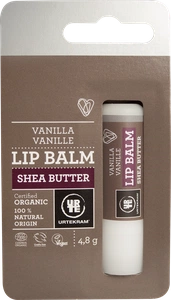
Pregnancy-safe products containing beta-sitosterol
Urtekram
Urtekram Vanilla Shea Butter Lip Balm
99/100
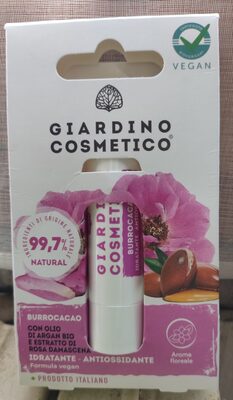
Giardino Cosmetico
Burrocacao
99/100
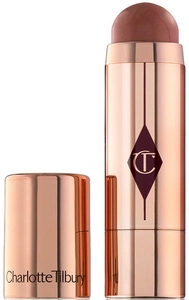
Charlotte Tilbury
Charlotte Tilbury Beach Stick
99/100
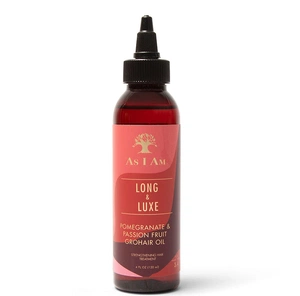
As i am
As I Am Long And Luxe Grohair Oil
99/100
Freshly Cosmetics
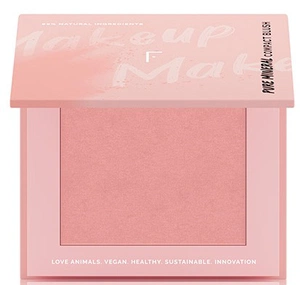
Freshly Cosmetics Pure Mineral Compact Blush
99/100
Baiobay
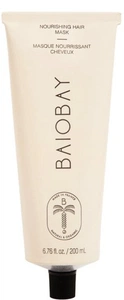
Baiobay Nourishing Hair Mask
99/100
Freshly Cosmetics
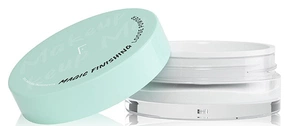
Freshly Cosmetics Magic Finishing Loose Powder
99/100
Hey Honey
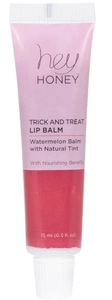
Hey Honey Trick And Treat Lip Balm With Natural Tint
99/100
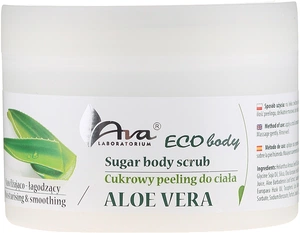
Ava Laboratorium
Ava Laboratorium Eco Body Sugar Body Scrub Aloe Vera
99/100
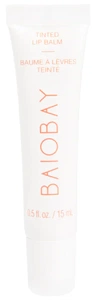
Baiobay
Baiobay Tinted lip balm
99/100
Veja também
Sources & references
Authoritative references used to score this ingredient.
Frequently asked questions
- beta-sitosterol é seguro durante a gravidez?
- CIR reviews of phytosterols note general cosmetic safety but some animal data show reproductive/embryotoxic effects at high or non-oral exposures; recent peer‑reviewed animal studies (mink, rodents, and a 2024 mouse study) report effects on reproductive endpoints, and beta‑sitosterol has demonstrated phytoestrogen/sex‑hormone‑modulating activity—so reproductive hazard is suspected (h=2) with a demonstrated mechanism (m=2). Topical cosmetic use gives low but measurable systemic exposure (e=1), much lower than doses in the animal studies; no harmonised CLP (ECHA Annex VI) classification was found. Sources: CIR phytosterol assessment; mink and rodent reproductive studies; recent 2024 mouse study; ECHA registration absence of harmonised classification.
- beta-sitosterol é seguro durante a amamentação?
- Same rationale as pregnancy: animal evidence of reproductive effects and demonstrated hormone/immune modulation suggest suspected hazard (h=2) with a demonstrated mechanism (m=2). Systemic transfer to milk after topical cosmetic use is expected to be low but measurable (e=1)—clinical human lactation transfer data are lacking.
- beta-sitosterol é seguro para a pele do bebê?
- No infant‑specific data showing reproductive or developmental toxicity from topical exposure; per instructions we do not increase hazard/mechanistic scores without infant‑specific evidence (h=0,m=0). Beta‑sitosterol is lipophilic with measurable but limited dermal absorption in adults (adult e≈1), and immature infant skin increases exposure — therefore exposure for baby skin is raised by +1 to e=2 (low→moderate). CIR and CosIng list beta‑sitosterol for topical use with no specific concentration restrictions in cosmetics.
- Como o VeriMom pontua beta-sitosterol?
- O VeriMom pontua beta-sitosterol em 100/100 (sem riscos conhecidos) com base no status EU CosIng, classificações de perigo ECHA e estudos revisados por pares no PubMed. Nosso pipeline de pontuação é totalmente transparente.
- Quais são as alternativas seguras a beta-sitosterol na gravidez?
- Veja nossa lista curada de alternativas seguras a beta-sitosterol com base em função semelhante e classificação sem riscos conhecidos.
Verifique seus próprios cosméticos
Cole a lista de ingredientes de qualquer produto no nosso verificador gratuito e veja cada ingrediente avaliado com base em dados regulatórios da UE e pesquisas revisadas por pares.
Abrir o verificador de ingredientes seguros na gravidezVerifique qualquer rótulo em 2 segundos
Baixe o VeriMom grátis — escaneie qualquer produto e veja a pontuação de segurança na gravidez instantaneamente.
Aviso Médico
Estas informações são apenas para fins educacionais e não constituem aconselhamento médico. As pontuações de segurança são baseadas em dados publicamente disponíveis e podem não refletir todos os riscos. Sempre consulte seu profissional de saúde antes de usar qualquer produto durante a gravidez ou amamentação.