 VeriMom
apigenin é seguro durante a gravidez?
No EU Annex II/III listing or harmonised CLP reproductive/CMR classification was found for apigenin (CAS 520-36-5), and no authoritative CIR/SCCS safety opinion identifying a reproductive hazard was found; peer‑reviewed literature reports in‑vitro estrogenic/sex‑hormone–modulating activity for apigenin (mechanistic evidence) but not clear human teratogenic or harmonised animal reproductive hazard leading to regulatory classification, so hazard = 0; mechanism = 2 because in‑vitro estrogenic and endocrine‑modulating activity has been demonstrated. Topical dermal absorption from cosmetics is reported as low but measurable depending on formulation (ex vivo permeation varies with vehicle), therefore exposure = 1. � Sources: PubMed/PMC reviews on apigenin bioactivity and skin use; ex vivo skin permeation review; COSING/ingredient databases.
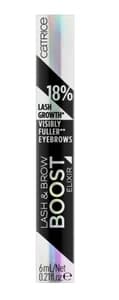
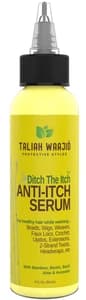
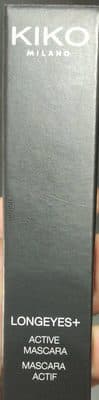
Pregnancy-safe products containing apigenin







Related ingredients
Frequently asked questions
- apigenin é seguro durante a gravidez?
- No EU Annex II/III listing or harmonised CLP reproductive/CMR classification was found for apigenin (CAS 520-36-5), and no authoritative CIR/SCCS safety opinion identifying a reproductive hazard was found; peer‑reviewed literature reports in‑vitro estrogenic/sex‑hormone–modulating activity for apigenin (mechanistic evidence) but not clear human teratogenic or harmonised animal reproductive hazard leading to regulatory classification, so hazard = 0; mechanism = 2 because in‑vitro estrogenic and endocrine‑modulating activity has been demonstrated. Topical dermal absorption from cosmetics is reported as low but measurable depending on formulation (ex vivo permeation varies with vehicle), therefore exposure = 1. � Sources: PubMed/PMC reviews on apigenin bioactivity and skin use; ex vivo skin permeation review; COSING/ingredient databases.
- apigenin é seguro durante a amamentação?
- Same rationale as pregnancy: no regulatory reproductive/CMR classification or CIR/SCCS restriction found. Mechanistic data show apigenin can modulate hormone pathways (in vitro) which is relevant to lactation physiology but no convincing data show human reproductive or lactation toxicity. Dermal exposure from cosmetics is low but measurable, so adult breastfeeding exposure = 1. Sources: peer‑reviewed reviews on apigenin pharmacology and topical use; COSING/EWG entries.
- apigenin é seguro para a pele do bebê?
- No infant‑specific developmental toxicity or dermal teratogenicity data were found and no regulatory ban/restriction for apigenin. Mechanistic evidence (in‑vitro estrogenic/endocrine‑modulating activity) remains (m=2). Exposure score increased by +1 for infants (e=2) because topical absorption through infant skin is higher (immature barrier, higher surface‑area‑to‑weight) and formulation/permeation studies show apigenin can permeate skin depending on vehicle; therefore infant dermal exposure is likely higher than adult. Sources: reviews showing skin permeation and cosmetic use, PubMed mechanistic literature, COSING database.
- Como o VeriMom pontua apigenin?
- O VeriMom pontua apigenin em 80/100 (risco baixo) com base no status EU CosIng, classificações de perigo ECHA e estudos revisados por pares no PubMed. Nosso pipeline de pontuação é totalmente transparente.
- Quais são as alternativas seguras a apigenin na gravidez?
- Veja nossa lista curada de alternativas seguras a apigenin com base em função semelhante e classificação sem riscos conhecidos.
Verifique qualquer rótulo em 2 segundos
Baixe o VeriMom grátis — escaneie qualquer produto e veja a pontuação de segurança na gravidez instantaneamente.
Aviso Médico
Estas informações são apenas para fins educacionais e não constituem aconselhamento médico. As pontuações de segurança são baseadas em dados publicamente disponíveis e podem não refletir todos os riscos. Sempre consulte seu profissional de saúde antes de usar qualquer produto durante a gravidez ou amamentação.