 VeriMom
7-dehydrocholesterol é seguro durante a gravidez?
Reviewed by VeriMom Editorial Team · Last reviewed
Ingredientes
7-dehydrocholesterol
SEM RISCOS CONHECIDOS93
/100
0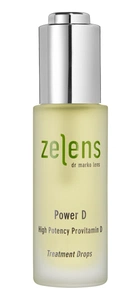
Pregnancy-safe products containing 7-dehydrocholesterol
Zelens
Zelens Power D Treatment Drops
99/100
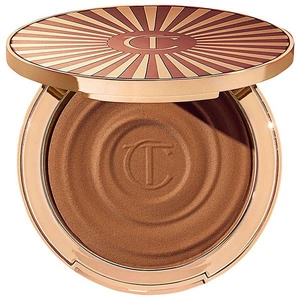
Charlotte Tilbury
Charlotte Tilbury Beautiful Sun Kissed Glow Cream Bronzer
99/100
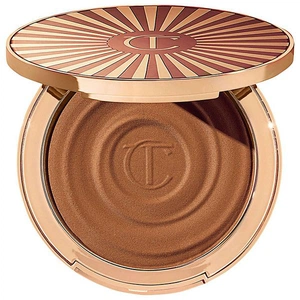
Charlotte Tilbury
Charlotte Tilbury Beautiful Skin Sun-kissed Glow Bronzer
99/100
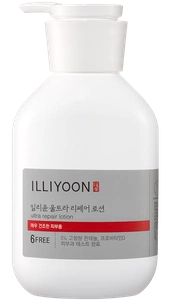
Illiyoon
Illiyoon Ultra Repair Lotion
98/100
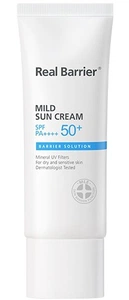
REAL BARRIER BY ATOPALM
REAL BARRIER BY ATOPALM Mild Sun Cream SPF50+ Pa++++
98/100
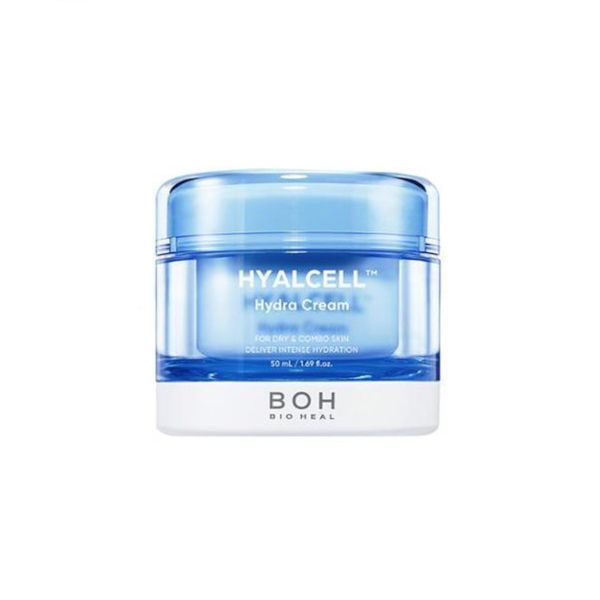
BIOHEAL BOH Hyalcell Hydra Cream - 50ml
98/100
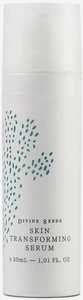
Divine Seeds
Divine Seeds Skin Transforming Serum
98/100
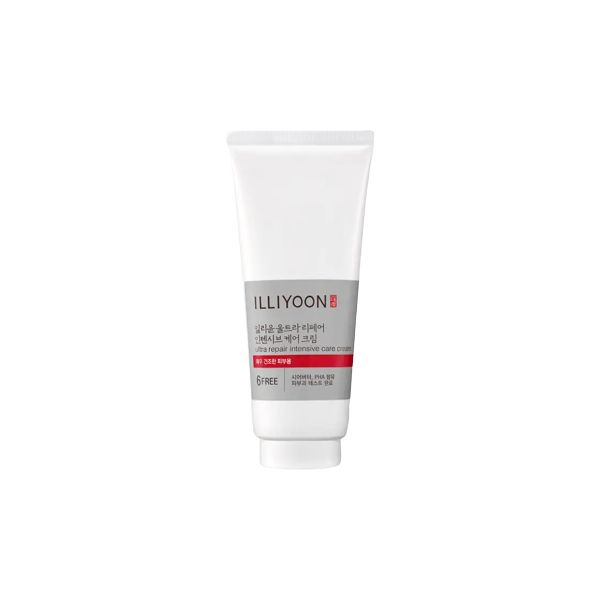
Illiyoon
ILLIYOON Ultra Repair Intensive Care Cream (2022 Version)
98/100
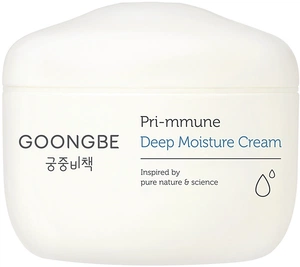
Goongbe
Goongbe Pri-mmune Deep Moisture Cream
98/100
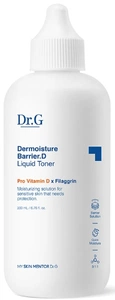
Dr. G
Dr. G Dermoisture Barrier D Liquid Toner
98/100
Related ingredients
Veja também
Sources & references
Authoritative references used to score this ingredient.
Frequently asked questions
- 7-dehydrocholesterol é seguro durante a gravidez?
- No harmonised CLP reproductive classification (ECHA brief profile shows registrations/self‑notifications but no Annex VI harmonised classification) and no SCCS/CIR reproductive safety restriction found. 7‑DHC is an endogenous cholesterol/vitamin D3 precursor; peer‑reviewed studies describe its role and that elevated systemic 7‑DHC is associated with genetic DHCR7 defects (Smith‑Lemli‑Opitz syndrome) or drug inhibition of DHCR7, but there is no evidence that topical cosmetic use of 7‑DHC causes reproductive toxicity in pregnant humans or animals. Topical absorption is possible for a lipophilic sterol but expected to be low, so exposure score = 1. (Sources: ECHA brief profile; PubMed sterol/7‑DHC studies; EWG ingredient page).
- 7-dehydrocholesterol é seguro durante a amamentação?
- No evidence that topical 7‑DHC is a reproductive toxicant or that it produces adverse effects via breastmilk. Mechanistic/reproductive hazards are associated with systemic elevation of 7‑DHC caused by genetic DHCR7 deficiency or certain drugs that inhibit DHCR7, not by topical application. Systemic absorption from typical topical cosmetic use is expected to be low but measurable (e=1).
- 7-dehydrocholesterol é seguro para a pele do bebê?
- No infant‑specific studies showing reproductive or developmental toxicity from topical 7‑DHC. Because 7‑DHC is a skin sterol/provitamin D3 present endogenously and topical absorption of lipophilic sterols is measurable, infant exposure via skin is higher than adults (immature barrier and higher surface‑area:weight), so exposure score is increased by +1 (adult e=1 → baby e=2). No evidence found that baby skin exposure causes harm at cosmetic use levels; however systemic elevation of 7‑DHC from DHCR7 disruption is a known hazard in genetic disease and medication interactions (not a topical‑cosmetic finding).
- Como o VeriMom pontua 7-dehydrocholesterol?
- O VeriMom pontua 7-dehydrocholesterol em 93/100 (sem riscos conhecidos) com base no status EU CosIng, classificações de perigo ECHA e estudos revisados por pares no PubMed. Nosso pipeline de pontuação é totalmente transparente.
- Quais são as alternativas seguras a 7-dehydrocholesterol na gravidez?
- Veja nossa lista curada de alternativas seguras a 7-dehydrocholesterol com base em função semelhante e classificação sem riscos conhecidos.
Verifique seus próprios cosméticos
Cole a lista de ingredientes de qualquer produto no nosso verificador gratuito e veja cada ingrediente avaliado com base em dados regulatórios da UE e pesquisas revisadas por pares.
Abrir o verificador de ingredientes seguros na gravidezVerifique qualquer rótulo em 2 segundos
Baixe o VeriMom grátis — escaneie qualquer produto e veja a pontuação de segurança na gravidez instantaneamente.
Aviso Médico
Estas informações são apenas para fins educacionais e não constituem aconselhamento médico. As pontuações de segurança são baseadas em dados publicamente disponíveis e podem não refletir todos os riscos. Sempre consulte seu profissional de saúde antes de usar qualquer produto durante a gravidez ou amamentação.