 VeriMom
Devo evitar styrene oxide na gravidez? | VeriMom
Reviewed by VeriMom Editorial Team · Last reviewed
ECHA regulatory hazard statements
- •H350
What to use instead
Pregnancy-safe ingredients that serve a similar function:
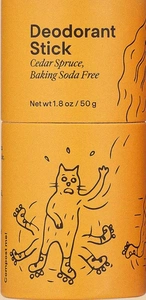
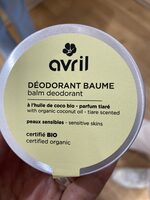
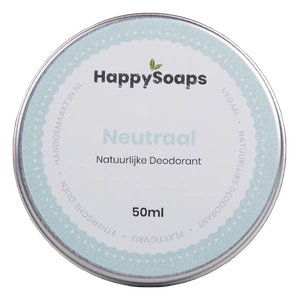
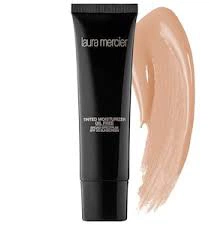
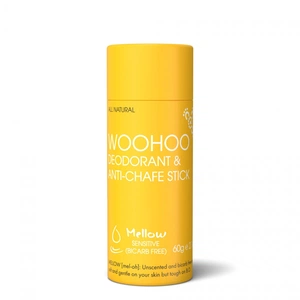
Pregnancy-safe products to use instead
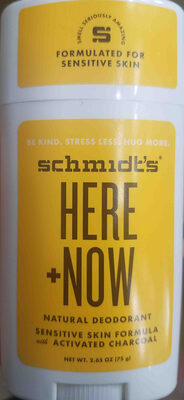
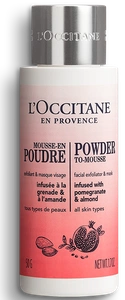
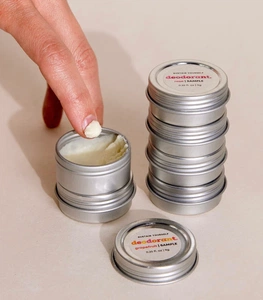
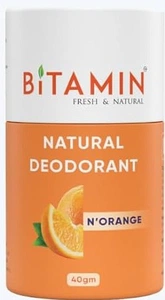
Products built around the safer ingredients above, scored "no known risks" or "low risk".
Sources & references
Authoritative references used to score this ingredient.
Alternativas seguras ao styrene oxide na gravidez | VeriMom
Ingredientes — Ingredientes
Veja também
FAQ
- styrene oxide é seguro durante a gravidez?
- Styrene oxide (CAS 96-09-3) has a harmonised CLP classification in the EU including Carc. 1B (H350: “May cause cancer”), which by your calibration requires h=3; ECHA documentation and Annex VI list this classification. Animal inhalation and developmental studies report reproductive/developmental effects (rats, rabbits) consistent with demonstrated developmental toxicity at high exposures, supporting a mechanistic concern (epoxide reactivity and metabolism of styrene to styrene oxide) rather than a purely theoretical mechanism. For typical topical cosmetic uses, systemic exposure from deliberate cosmetic formulation appears likely low but not zero (reactive epoxide, some dermal penetration is possible), so exposure scored as 1 (low but measurable). Sources: ECHA harmonised classification and registration dossier; NIOSH/CDC reproductive inhalation study. (See sources.)
- styrene oxide é seguro durante a amamentação?
- Same hazard basis applies for breastfeeding: harmonised H350 drives h=3. Mechanistic concerns (reactive epoxide, demonstrated adverse effects in animal reproductive/developmental studies) support m=2. Dermal/topical cosmetic exposure to nursing parent expected to be low but measurable (e=1); transfer in milk is plausible for small lipophilic molecules but specific human lactation transfer data for styrene oxide are lacking (see sources).
- styrene oxide é seguro para a pele do bebê?
- Hazard remains h=3 because of the harmonised carcinogen classification (H350). Mechanism rating m=2 reflects demonstrated animal reproductive/developmental toxicity and the reactive epoxide chemistry. Exposure for baby skin is increased by +1 vs adult because infant skin barrier immaturity and higher surface-area-to-weight ratio make dermal uptake more likely; therefore e=2 (moderate) if the ingredient were present on skin. Note: styrene oxide is not a normal cosmetic ingredient and is highly reactive; presence in finished cosmetic products would be unexpected and problematic. See ECHA harmonised classification and animal inhalation/developmental studies below.
- Como o VeriMom pontua styrene oxide?
- O VeriMom pontua styrene oxide em 20/100 (risco alto) com base no status EU CosIng, classificações de perigo ECHA e estudos revisados por pares no PubMed. Nosso pipeline de pontuação é totalmente transparente.
- Quais são as alternativas seguras a styrene oxide na gravidez?
- Veja nossa lista curada de alternativas seguras a styrene oxide com base em função semelhante e classificação sem riscos conhecidos.
Verifique seus próprios cosméticos
Cole a lista de ingredientes de qualquer produto no nosso verificador gratuito e veja cada ingrediente avaliado com base em dados regulatórios da UE e pesquisas revisadas por pares.
Abrir o verificador de ingredientes seguros na gravidezVerifique qualquer rótulo em 2 segundos
Baixe o VeriMom grátis — escaneie qualquer produto e veja a pontuação de segurança na gravidez instantaneamente.
Aviso Médico
Estas informações são apenas para fins educacionais e não constituem aconselhamento médico. As pontuações de segurança são baseadas em dados publicamente disponíveis e podem não refletir todos os riscos. Sempre consulte seu profissional de saúde antes de usar qualquer produto durante a gravidez ou amamentação.