 VeriMom
propylene glycol dicaprate é seguro durante a gravidez?
Reviewed by VeriMom Editorial Team · Last reviewed
Ingredientes
propylene glycol dicaprate
SEM RISCOS CONHECIDOS100
/100
0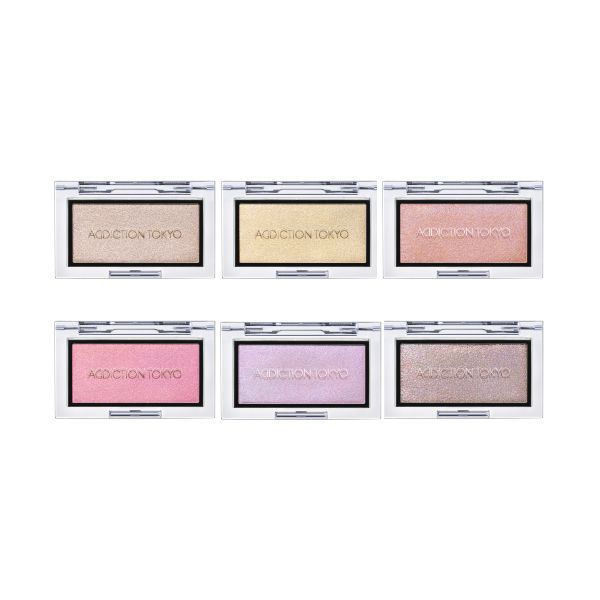
Pregnancy-safe products containing propylene glycol dicaprate
Addiction
Addiction The Blush Nuancer - 2.8g
99/100
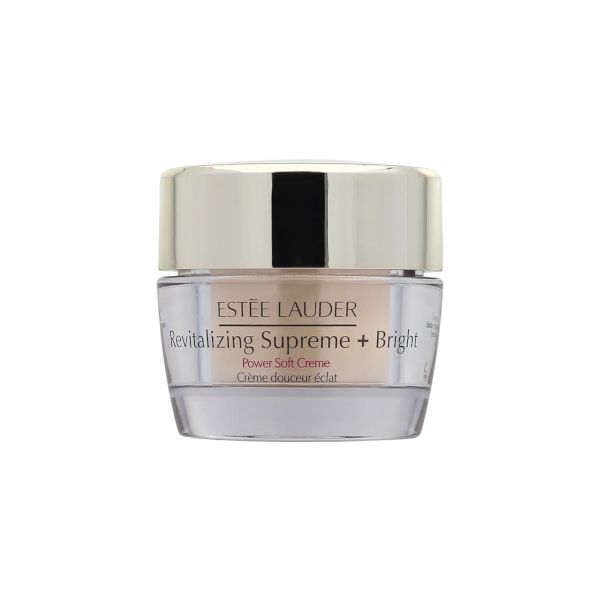
Estee Lauder Revitalizing Supreme+ Bright Power Soft Creme - 15ml
98/100
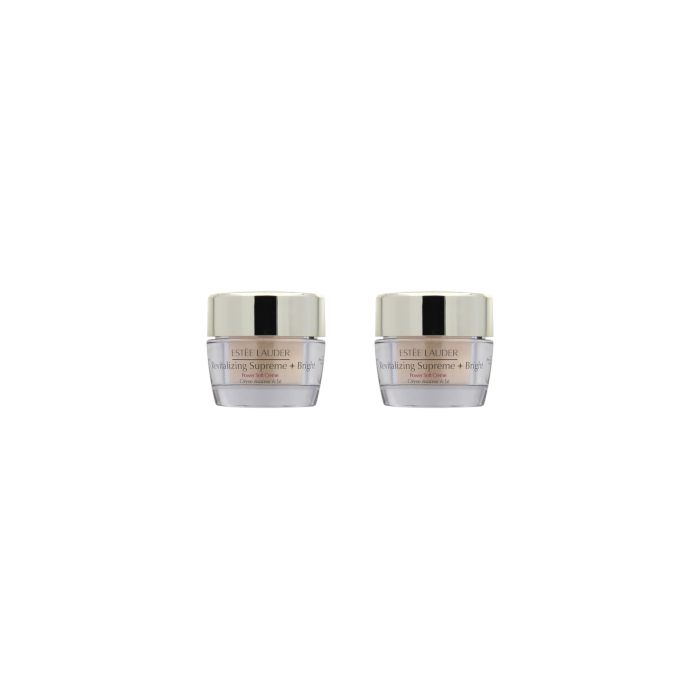
Estee Lauder Revitalizing Supreme+ Bright Power Soft Creme - 15ml (2ea) Set
98/100
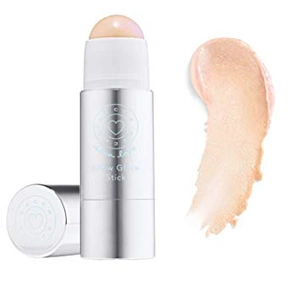
Becca
Becca Skin Love Glow Glaze Stick
98/100
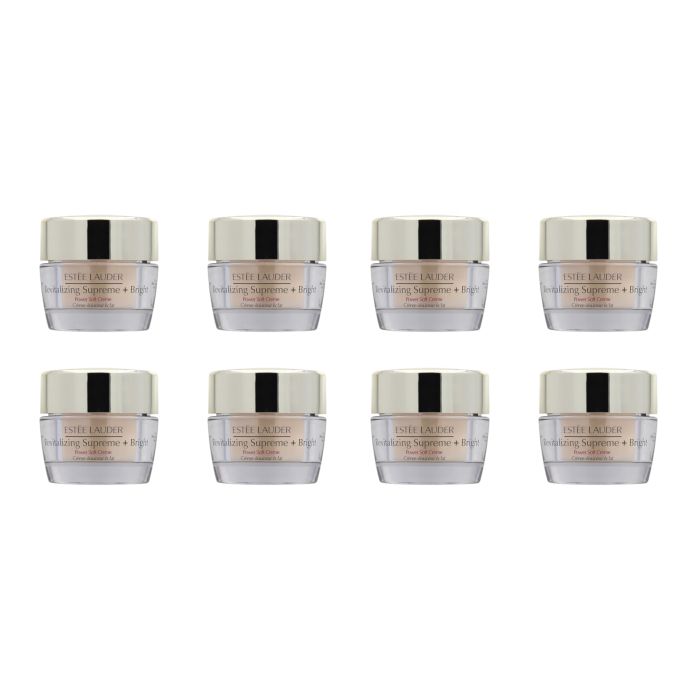
Estee Lauder Revitalizing Supreme+ Bright Power Soft Creme - 15ml (8ea) Set
98/100
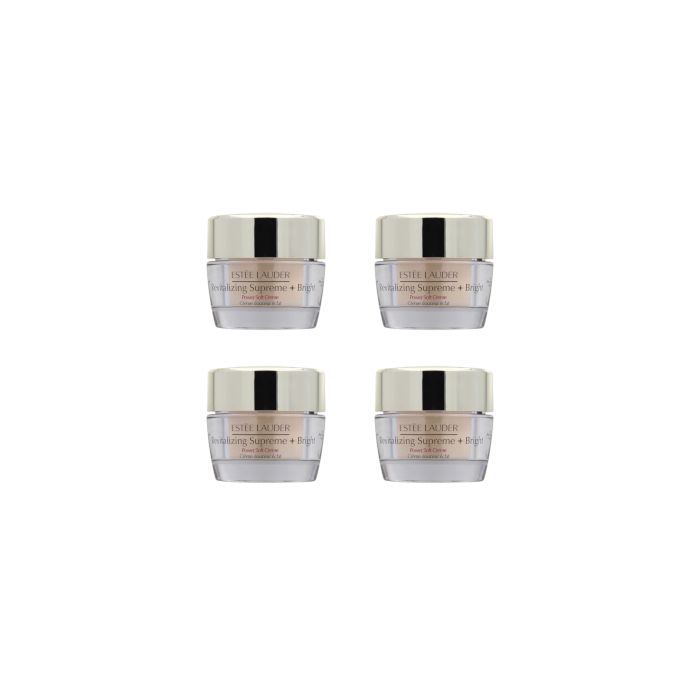
Estee Lauder Revitalizing Supreme+ Bright Power Soft Creme - 15ml (4ea) Set
98/100
Advanced Clinicals
Advanced Clinicals Rosehip Oil Anti-wrinkle
95/100
Cosme Decorte
Cosme Decorte Aq Meliority Intensive Radiance Glow Ritual - Day Serum
86/100
Albion
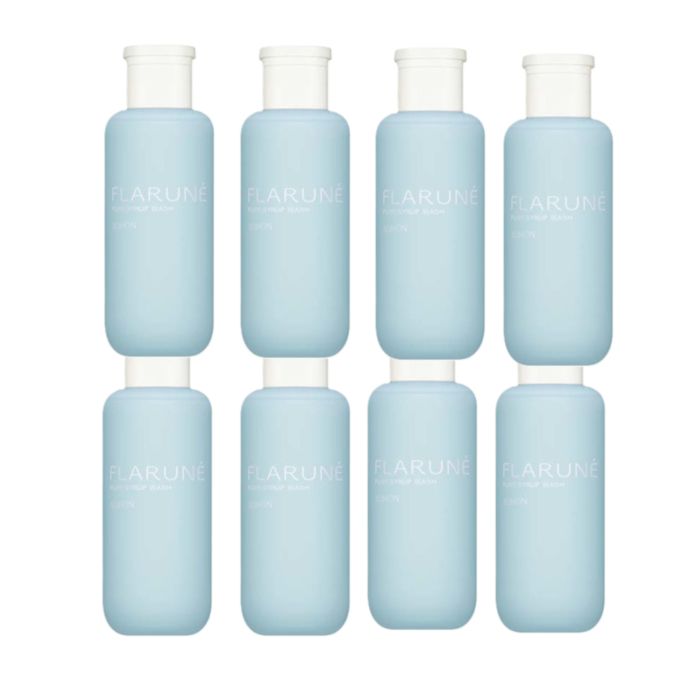
Albion FLARUNE Pure Syrup Wash - 14ml(8ea)
85/100
Albion
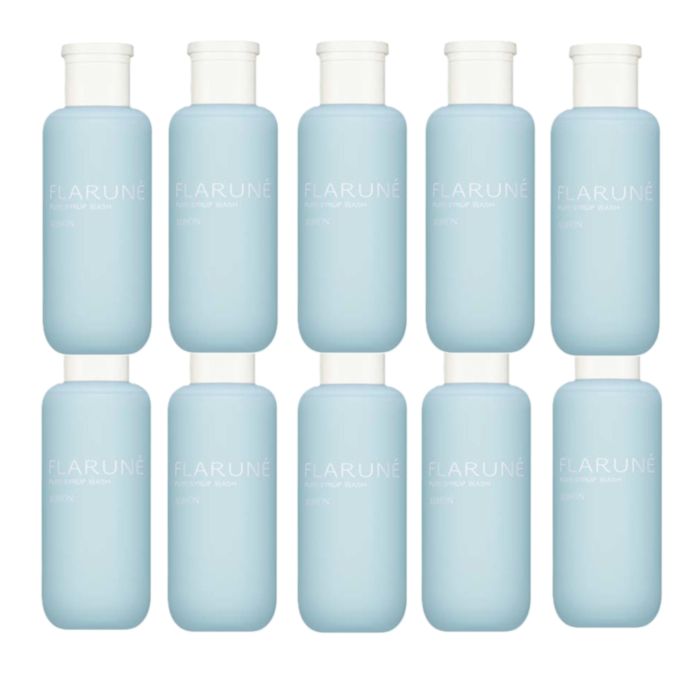
Albion FLARUNE Pure Syrup Wash - 14ml(10ea)
85/100
Related ingredients
Veja também
Sources & references
Authoritative references used to score this ingredient.
Frequently asked questions
- propylene glycol dicaprate é seguro durante a gravidez?
- Authoritative CIR safety assessment of propylene glycol esters (which includes propylene glycol dicaprate/dicaprylate) reports no reproductive or developmental effects in a rat prenatal study (gavage to 1000 mg/kg/day) and concludes acceptable safety in cosmetics; no harmonised ECHA Annex VI classification (H360/H361) for this substance was found. Dermal/systemic exposure from cosmetic use is low but measurable (used in leave‑on products, and some PG diesters can enhance dermal penetration in vitro, though dicaprylate did not increase penetration of water‑soluble drugs in the CIR review). ([cir-safety.org](https://www.cir-safety.org/sites/default/files/PGEste_122014_FR.pdf))
- propylene glycol dicaprate é seguro durante a amamentação?
- No data indicating reproductive toxicity, lactation-specific toxicity, or mechanisms for transfer to breast milk were identified in authoritative reviews. Given low systemic absorption from topical use reported in the CIR review, maternal systemic exposure (and therefore milk transfer) is expected to be low but measurable. ([cir-safety.org](https://www.cir-safety.org/sites/default/files/PGEste_122014_FR.pdf))
- propylene glycol dicaprate é seguro para a pele do bebê?
- CIR documents reported uses of propylene glycol dicaprylate/dicaprate in baby lotions (reported use concentrations historically ~2.5%) and includes dermal data; no infant-specific reproductive or developmental harms were found. Because infant skin has higher surface‑area‑to‑weight and an immature barrier, exposure rating is increased by +1 versus adults (from low/measurable to moderate). No infant‑specific adverse data or mechanistic evidence were found. ([cir-safety.org](https://www.cir-safety.org/sites/default/files/PGEste_122014_FR.pdf))
- Como o VeriMom pontua propylene glycol dicaprate?
- O VeriMom pontua propylene glycol dicaprate em 100/100 (sem riscos conhecidos) com base no status EU CosIng, classificações de perigo ECHA e estudos revisados por pares no PubMed. Nosso pipeline de pontuação é totalmente transparente.
- Quais são as alternativas seguras a propylene glycol dicaprate na gravidez?
- Veja nossa lista curada de alternativas seguras a propylene glycol dicaprate com base em função semelhante e classificação sem riscos conhecidos.
Verifique seus próprios cosméticos
Cole a lista de ingredientes de qualquer produto no nosso verificador gratuito e veja cada ingrediente avaliado com base em dados regulatórios da UE e pesquisas revisadas por pares.
Abrir o verificador de ingredientes seguros na gravidezVerifique qualquer rótulo em 2 segundos
Baixe o VeriMom grátis — escaneie qualquer produto e veja a pontuação de segurança na gravidez instantaneamente.
Aviso Médico
Estas informações são apenas para fins educacionais e não constituem aconselhamento médico. As pontuações de segurança são baseadas em dados publicamente disponíveis e podem não refletir todos os riscos. Sempre consulte seu profissional de saúde antes de usar qualquer produto durante a gravidez ou amamentação.