 VeriMom
Devo evitar minoxidil succinoyl oligopeptide-143 na gravidez? | VeriMom
Reviewed by VeriMom Editorial Team · Last reviewed
What to use instead
Pregnancy-safe ingredients that serve a similar function:
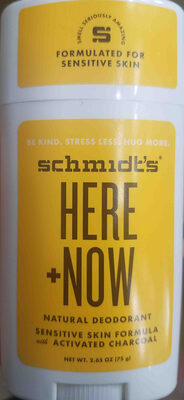
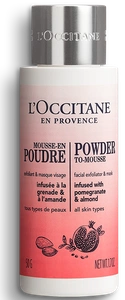
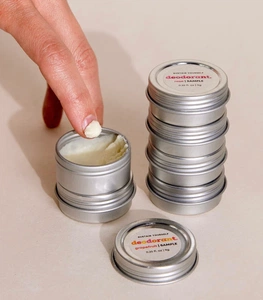
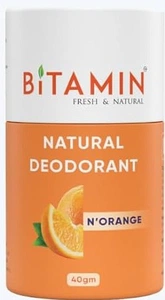
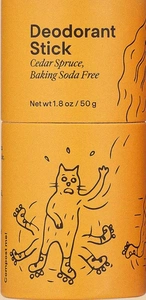
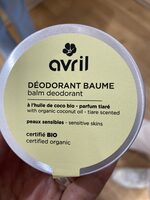
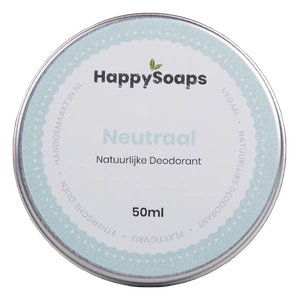
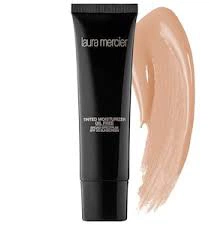
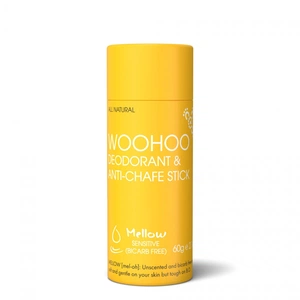
Pregnancy-safe products to use instead
Products built around the safer ingredients above, scored "no known risks" or "low risk".
Sources & references
Authoritative references used to score this ingredient.
Alternativas seguras ao minoxidil succinoyl oligopeptide-143 na gravidez | VeriMom
Ingredientes — Ingredientes
Veja também
FAQ
- minoxidil succinoyl oligopeptide-143 é seguro durante a gravidez?
- Minoxidil (6-(piperidinyl)-2,4-pyrimidinediamine-3-oxide) is listed as a substance that must not form part of the composition of cosmetics in EU Annexes (minoxidil and its salts appear in the prohibited list), which by your rules requires h≥2. Topical minoxidil is systemically absorbed in measurable amounts and there are case reports of effects in infants after dermal exposure; therefore a mechanism of systemic exposure is plausible. No SCCS/CIR opinion or harmonised H360/H361 specific to the peptide was found; evidence is via minoxidil data and regulatory prohibition. Sources: EU Annex listing, PubChem/minoxidil, EMA safety note on infant hypertrichosis.
- minoxidil succinoyl oligopeptide-143 é seguro durante a amamentação?
- Minoxidil is a pharmacologically active systemic agent with reports of infant effects after maternal topical use and some evidence of transmission/infant exposure; regulatory guidance warns about infant hypertrichosis following skin contact. Thus breastfeeding safety is a concern (h=2). Mechanistic concern is demonstrated systemic exposure; measured transfer into milk is not well-quantified in public cosmetic dossiers, so exposure is graded as low but measurable for breastfeeding (e=1).
- minoxidil succinoyl oligopeptide-143 é seguro para a pele do bebê?
- For dermal contact with infants (0–3 yr) there are case reports of excessive hair growth in infants after parental topical minoxidil use/contact, and infants have higher dermal uptake (immature barrier and higher surface-area-to-weight). Therefore hazard and mechanism scores follow minoxidil (h=2, m=2) and exposure is increased (adult e=2 → infant e=3 per your rules). No infant-specific toxicology studies for the peptide were found; the concern is driven by the minoxidil parent compound and case reports.
- Como o VeriMom pontua minoxidil succinoyl oligopeptide-143?
- O VeriMom pontua minoxidil succinoyl oligopeptide-143 em 33/100 (risco alto) com base no status EU CosIng, classificações de perigo ECHA e estudos revisados por pares no PubMed. Nosso pipeline de pontuação é totalmente transparente.
- Quais são as alternativas seguras a minoxidil succinoyl oligopeptide-143 na gravidez?
- Veja nossa lista curada de alternativas seguras a minoxidil succinoyl oligopeptide-143 com base em função semelhante e classificação sem riscos conhecidos.
Verifique seus próprios cosméticos
Cole a lista de ingredientes de qualquer produto no nosso verificador gratuito e veja cada ingrediente avaliado com base em dados regulatórios da UE e pesquisas revisadas por pares.
Abrir o verificador de ingredientes seguros na gravidezVerifique qualquer rótulo em 2 segundos
Baixe o VeriMom grátis — escaneie qualquer produto e veja a pontuação de segurança na gravidez instantaneamente.
Aviso Médico
Estas informações são apenas para fins educacionais e não constituem aconselhamento médico. As pontuações de segurança são baseadas em dados publicamente disponíveis e podem não refletir todos os riscos. Sempre consulte seu profissional de saúde antes de usar qualquer produto durante a gravidez ou amamentação.