 VeriMom
HIGH RISK
Devo evitar ethinylestradiol na gravidez? | VeriMom
Reviewed by VeriMom Editorial Team · Last reviewed
ECHA regulatory hazard statements
- •H360
- •H361
What to use instead
Pregnancy-safe ingredients that serve a similar function:
Pregnancy-safe products to use instead
Products built around the safer ingredients above, scored "no known risks" or "low risk".
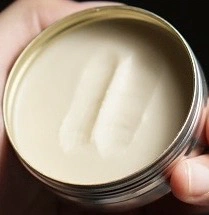
Avero
100Avero Solid Deodorant
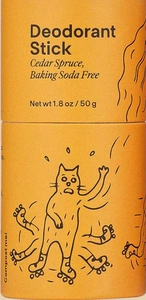
Mew mew tweet
100Mew mew tweet Cedar Spruce Baking Soda Free
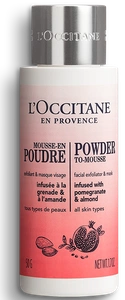
L'Occitane
100L´Occitane Powder To-mousse Facial Exfoliator
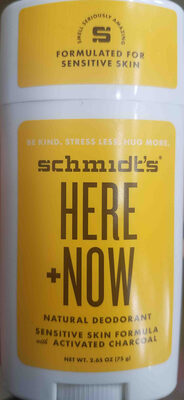
Unknown
100schmidts here now
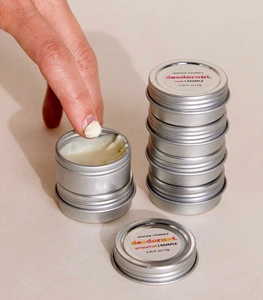
Sustain Yourself
100Sustain Yourself Natural Deodorant
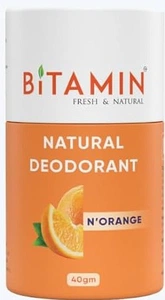
Bitamin
100Bitamin Natural Deodorant N'orange
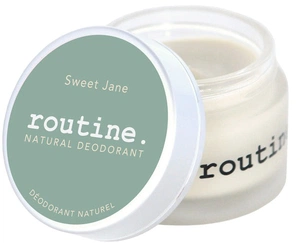
Routine
99Routine Sweet Jane Deodorant Jar
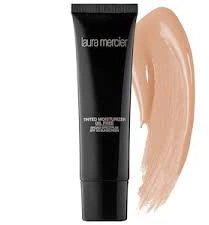
Laura Mercier
99Laura Mercier Tinted Moisturizer Broad Spectrum Spf 20 - Oil Free
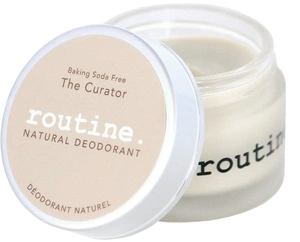
Routine
99Routine The Curator
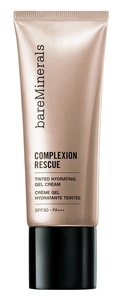
bareMinerals
99bareMinerals Complexion Rescue Tinted Hydrating Gel Cream SPF 30
Sources & references
Authoritative references used to score this ingredient.
Alternativas seguras ao ethinylestradiol na gravidez | VeriMom
Ingredientes — Ingredientes
Veja também
FAQ
- ethinylestradiol é seguro durante a gravidez?
- Ethinylestradiol (CAS 57-63-6) has a harmonised CLP classification as Repr. 1B (H360—may damage fertility or the unborn child) per ECHA, which meets the criterion for h=3. It is a potent synthetic estrogen with demonstrated estrogen receptor agonism and animal data showing adverse effects on fetal growth/survival, supporting m=2. For topical cosmetic use, systemic exposure from a cosmetic formulation would be negligible/very low, so e=0 (noting ethinylestradiol is primarily used as an oral/vaginal pharmaceutical rather than a cosmetic). ([echa.europa.eu](https://echa.europa.eu/brief-profile/-/briefprofile/100.014.129?utm_source=openai))
- ethinylestradiol é seguro durante a amamentação?
- Harmonised classification H360 (Repr. 1B) equally flags lactation-related reproductive hazard (h=3). Mechanistically, ethinylestradiol is an estrogen receptor agonist with demonstrated endocrine activity (m=2). Human studies indicate transfer into breast milk is negligible with low‑dose combined hormonal contraceptives, so exposure via milk from typical systemic use is low but measurable (e=1); for topical cosmetic use systemic uptake would be expected to be very low. ([echa.europa.eu](https://echa.europa.eu/brief-profile/-/briefprofile/100.014.129?utm_source=openai))
- ethinylestradiol é seguro para a pele do bebê?
- Hazard (H360 Repr. 1B) remains (h=3). Mechanistic evidence of estrogenic activity supports m=2. For topical cosmetic use adult dermal exposure is expected to be negligible (adult e=0); per the scoring rules, baby skin exposure is increased by +1 (e=1) because infant skin is more permeable — although ethinylestradiol is not a typical cosmetic ingredient and meaningful topical cosmetic exposure is unlikely. Animal studies show prenatal/placental effects but no infant‑specific dermal data were found. ([echa.europa.eu](https://echa.europa.eu/brief-profile/-/briefprofile/100.014.129?utm_source=openai))
- Como o VeriMom pontua ethinylestradiol?
- O VeriMom pontua ethinylestradiol em 27/100 (risco alto) com base no status EU CosIng, classificações de perigo ECHA e estudos revisados por pares no PubMed. Nosso pipeline de pontuação é totalmente transparente.
- Quais são as alternativas seguras a ethinylestradiol na gravidez?
- Veja nossa lista curada de alternativas seguras a ethinylestradiol com base em função semelhante e classificação sem riscos conhecidos.
Verifique qualquer rótulo em 2 segundos
Baixe o VeriMom grátis — escaneie qualquer produto e veja a pontuação de segurança na gravidez instantaneamente.
Aviso Médico
Estas informações são apenas para fins educacionais e não constituem aconselhamento médico. As pontuações de segurança são baseadas em dados publicamente disponíveis e podem não refletir todos os riscos. Sempre consulte seu profissional de saúde antes de usar qualquer produto durante a gravidez ou amamentação.