 VeriMom
HIGH RISK
Devo evitar epichlorohydrin na gravidez? | VeriMom
Reviewed by VeriMom Editorial Team · Last reviewed
ECHA regulatory hazard statements
- •H350
What to use instead
Pregnancy-safe ingredients that serve a similar function:
Pregnancy-safe products to use instead
Products built around the safer ingredients above, scored "no known risks" or "low risk".
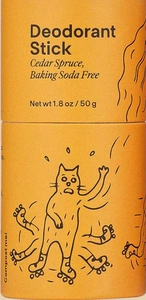
Mew mew tweet
100Mew mew tweet Cedar Spruce Baking Soda Free
Avero
100Avero Solid Deodorant
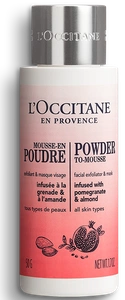
L'Occitane
100L´Occitane Powder To-mousse Facial Exfoliator
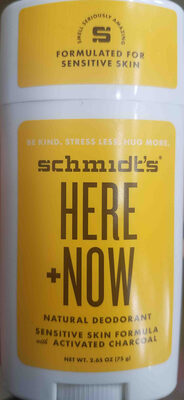
Unknown
100schmidts here now
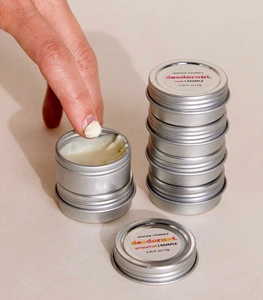
Sustain Yourself
100Sustain Yourself Natural Deodorant
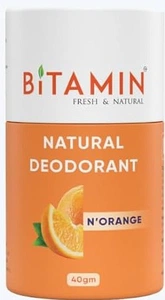
Bitamin
100Bitamin Natural Deodorant N'orange
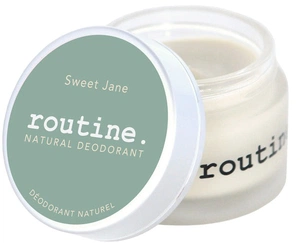
Routine
99Routine Sweet Jane Deodorant Jar
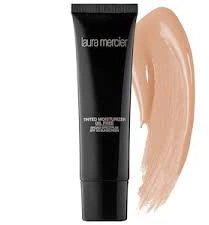
Laura Mercier
99Laura Mercier Tinted Moisturizer Broad Spectrum Spf 20 - Oil Free
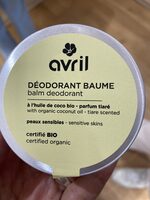
Avril
99Déodorant baume
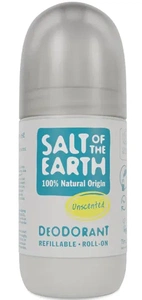
Salt of the Earth
99Salt of the Earth Unscented Natural Refillable Roll-on Deodorant
Sources & references
Authoritative references used to score this ingredient.
Alternativas seguras ao epichlorohydrin na gravidez | VeriMom
Ingredientes — Ingredientes
Veja também
FAQ
- epichlorohydrin é seguro durante a gravidez?
- Animal developmental and reproductive toxicity studies (one-generation and developmental studies) report adverse effects; ECHA registration dossier and EPA summaries document these findings and some C&L notifications list H361 (suspected reproductive toxicant). There is mechanistic evidence that epichlorohydrin is a reactive epoxide (genotoxic/alkylating) which plausibly underlies developmental/reproductive toxicity. Topical cosmetic exposure would be low but measurable; epichlorohydrin has a skin penetration (NIOSH skin notation) so systemic exposure is possible if used on skin. (Sources: ECHA registration dossier; PubMed study; EPA summary; NIOSH/NIOSH PEL page).
- epichlorohydrin é seguro durante a amamentação?
- Same rationale as for pregnancy: animal data and regulatory dossiers indicate reproductive/developmental hazard (H361 notifications). Mechanistic genotoxic/reactive epoxide activity supports potential for systemic harm. Dermal absorption is possible so measurable maternal systemic exposure (and therefore theoretical transfer to breastmilk) cannot be excluded, though direct lactation-specific data are unavailable.
- epichlorohydrin é seguro para a pele do bebê?
- Hazard and mechanism same as adults (animal reproductive/developmental effects; reactive epoxide chemistry). Because epichlorohydrin is skin-penetrant (NIOSH skin notation) and infant skin has higher surface-area-to-weight and immature barrier, exposure score is increased by +1 (adult e=1 → infant e=2). There are no infant-specific safety studies identified.
- Como o VeriMom pontua epichlorohydrin?
- O VeriMom pontua epichlorohydrin em 20/100 (risco alto) com base no status EU CosIng, classificações de perigo ECHA e estudos revisados por pares no PubMed. Nosso pipeline de pontuação é totalmente transparente.
- Quais são as alternativas seguras a epichlorohydrin na gravidez?
- Veja nossa lista curada de alternativas seguras a epichlorohydrin com base em função semelhante e classificação sem riscos conhecidos.
Verifique qualquer rótulo em 2 segundos
Baixe o VeriMom grátis — escaneie qualquer produto e veja a pontuação de segurança na gravidez instantaneamente.
Aviso Médico
Estas informações são apenas para fins educacionais e não constituem aconselhamento médico. As pontuações de segurança são baseadas em dados publicamente disponíveis e podem não refletir todos os riscos. Sempre consulte seu profissional de saúde antes de usar qualquer produto durante a gravidez ou amamentação.