 VeriMom
Devo evitar diethylhexyl phthalate na gravidez? | VeriMom
Reviewed by VeriMom Editorial Team · Last reviewed
ECHA regulatory hazard statements
- •H360FD
What to use instead
Pregnancy-safe ingredients that serve a similar function:
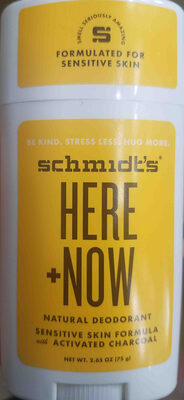
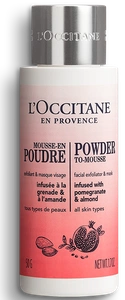
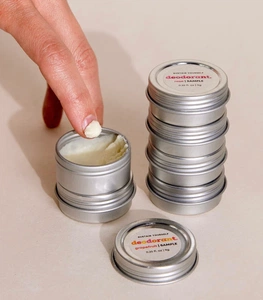
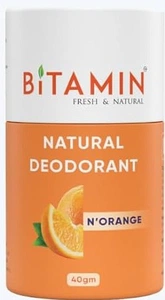
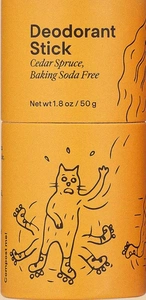
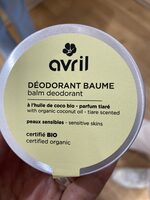
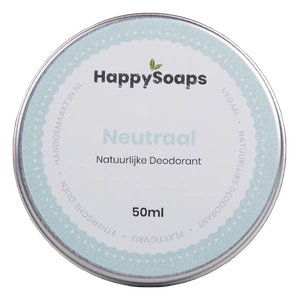
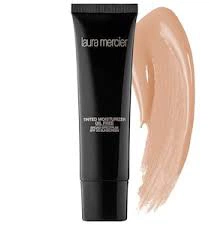
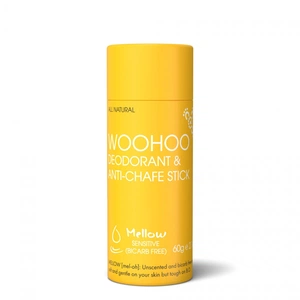
Pregnancy-safe products to use instead
Products built around the safer ingredients above, scored "no known risks" or "low risk".
Sources & references
Authoritative references used to score this ingredient.
Alternativas seguras ao diethylhexyl phthalate na gravidez | VeriMom
Ingredientes — Ingredientes
Veja também
FAQ
- diethylhexyl phthalate é seguro durante a gravidez?
- DEHP (CAS 117-81-7) has a harmonised CLP classification H360FD (may damage fertility; may damage the unborn child) under ECHA/Annex VI, which by calibration mandates h=3. Mechanistically, DEHP and its primary metabolite MEHP cause well-characterised anti-androgenic and developmental effects in multiple animal studies and alter placental development, supporting m=3. Because DEHP is prohibited from use in cosmetic products under the EU Cosmetics Regulation (Annex II), topical cosmetic exposure during pregnancy should be negligible (e=0) for cosmetic-grade use; however systemic exposures from other sources (medical devices, contaminated food, dust) remain relevant but are outside 'cosmetic use' exposure scoring.
- diethylhexyl phthalate é seguro durante a amamentação?
- Harmonised H360FD classification and abundant animal data showing reproductive/developmental toxicity and endocrine disruption justify h=3 and m=3 for breastfeeding context. DEHP has been shown to transfer and produce metabolites that are biologically active; although breastmilk transfer and infant internal dose are described in the literature for environmental exposures, cosmetic topical use in the EU is banned so cosmetic-source exposure is expected to be negligible (e=0).
- diethylhexyl phthalate é seguro para a pele do bebê?
- Because DEHP is harmonised as H360FD (CMR Category 1B) the hazard to infants is scored h=3 by calibration. Mechanistic data (anti-androgenic effects, endocrine disruption, developmental effects in rodents) support m=3. For cosmetic topical use, DEHP is listed in EU Annex II (prohibited), so exposure from cosmetics is expected to be negligible (e=0). If DEHP were present in a formulation (e.g., contamination or in non‑EU markets), infant skin has higher absorption potential and the exposure score would be higher — but that scenario is outside compliant cosmetic use.
- Como o VeriMom pontua diethylhexyl phthalate?
- O VeriMom pontua diethylhexyl phthalate em 20/100 (risco alto) com base no status EU CosIng, classificações de perigo ECHA e estudos revisados por pares no PubMed. Nosso pipeline de pontuação é totalmente transparente.
- Quais são as alternativas seguras a diethylhexyl phthalate na gravidez?
- Veja nossa lista curada de alternativas seguras a diethylhexyl phthalate com base em função semelhante e classificação sem riscos conhecidos.
Verifique seus próprios cosméticos
Cole a lista de ingredientes de qualquer produto no nosso verificador gratuito e veja cada ingrediente avaliado com base em dados regulatórios da UE e pesquisas revisadas por pares.
Abrir o verificador de ingredientes seguros na gravidezVerifique qualquer rótulo em 2 segundos
Baixe o VeriMom grátis — escaneie qualquer produto e veja a pontuação de segurança na gravidez instantaneamente.
Aviso Médico
Estas informações são apenas para fins educacionais e não constituem aconselhamento médico. As pontuações de segurança são baseadas em dados publicamente disponíveis e podem não refletir todos os riscos. Sempre consulte seu profissional de saúde antes de usar qualquer produto durante a gravidez ou amamentação.