 VeriMom
HIGH RISK
Devo evitar c9-10 alkane/cycloalkane na gravidez? | VeriMom
Reviewed by VeriMom Editorial Team · Last reviewed
ECHA regulatory hazard statements
- •H350
What to use instead
Pregnancy-safe ingredients that serve a similar function:
Pregnancy-safe products to use instead
Products built around the safer ingredients above, scored "no known risks" or "low risk".
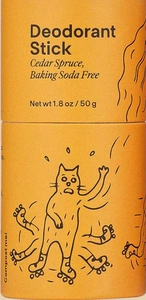
Mew mew tweet
100Mew mew tweet Cedar Spruce Baking Soda Free
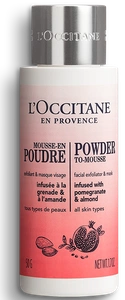
L'Occitane
100L´Occitane Powder To-mousse Facial Exfoliator
Avero
100Avero Solid Deodorant
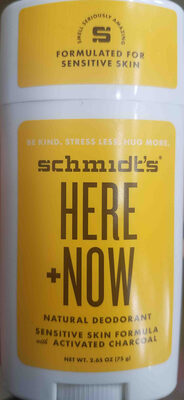
Unknown
100schmidts here now
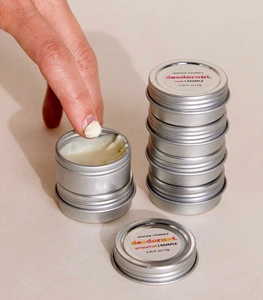
Sustain Yourself
100Sustain Yourself Natural Deodorant
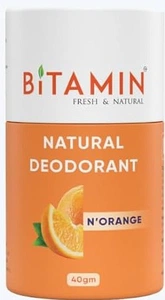
Bitamin
100Bitamin Natural Deodorant N'orange
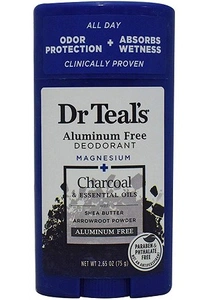
Dr Teals's
99Dr Teals's Aluminum Free Deodorant Charcoal
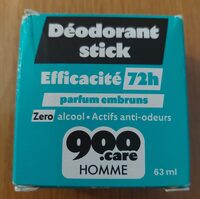
900care
99Déodorant stick parfum embruns
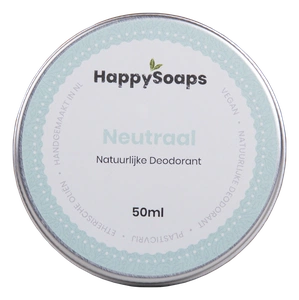
HappySoaps
99Happysoaps Neutraal
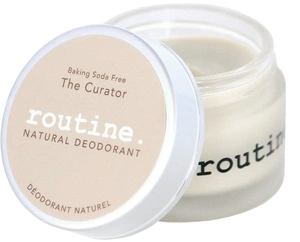
Routine
99Routine The Curator
Sources & references
Authoritative references used to score this ingredient.
Alternativas seguras ao c9-10 alkane/cycloalkane na gravidez | VeriMom
Ingredientes — Ingredientes
Veja também
FAQ
- c9-10 alkane/cycloalkane é seguro durante a gravidez?
- Harmonised CLP entries for Naphtha (petroleum), hydrotreated light (CAS 64742-49-0) include H350 (carcinogenicity Cat 1) and H340 (germ cell mutagenicity Cat 1), which per your calibration mandate gives h=3. The mechanistic concern is supported by the mutagenicity/carcinogenicity harmonised classification (genotoxic/mutagenic mechanism plausible), so m=2. Dermal/topical exposure from cosmetic use is likely low but measurable for volatile/lipophilic hydrocarbon solvents, so e=1. (ECHA substance/C&L data; ECHA registration dossier; EPA CompTox).
- c9-10 alkane/cycloalkane é seguro durante a amamentação?
- Because the substance has harmonised Category 1 CMR classifications (H350/H340), h=3 applies also for breastfeeding per the provided rules. Mechanistic flags relate to mutagenicity/carcinogenicity (m=2). Systemic exposure after typical topical cosmetic use is expected to be low but measurable (e=1); therefore potential for transfer via lactation cannot be excluded though direct lactation-specific data are lacking. (ECHA C&L; ECHA registration dossier; CompTox).
- c9-10 alkane/cycloalkane é seguro para a pele do bebê?
- Harmonised CMR Cat 1 classifications (H350/H340) make h=3. Mechanistic concern from mutagenic/carcinogenic properties supports m=2. Exposure score increased by +1 for infants (per your rules) because the ingredient is a small, lipophilic hydrocarbon solvent with measurable dermal absorption in adults (adult e=1 → baby e=2). There are no infant-specific safety data contradicting these concerns. (ECHA substance page; ECHA registration dossier; general SDS/MSDS for hydrotreated naphtha).
- Como o VeriMom pontua c9-10 alkane/cycloalkane?
- O VeriMom pontua c9-10 alkane/cycloalkane em 20/100 (risco alto) com base no status EU CosIng, classificações de perigo ECHA e estudos revisados por pares no PubMed. Nosso pipeline de pontuação é totalmente transparente.
- Quais são as alternativas seguras a c9-10 alkane/cycloalkane na gravidez?
- Veja nossa lista curada de alternativas seguras a c9-10 alkane/cycloalkane com base em função semelhante e classificação sem riscos conhecidos.
Verifique qualquer rótulo em 2 segundos
Baixe o VeriMom grátis — escaneie qualquer produto e veja a pontuação de segurança na gravidez instantaneamente.
Aviso Médico
Estas informações são apenas para fins educacionais e não constituem aconselhamento médico. As pontuações de segurança são baseadas em dados publicamente disponíveis e podem não refletir todos os riscos. Sempre consulte seu profissional de saúde antes de usar qualquer produto durante a gravidez ou amamentação.