 VeriMom
Devo evitar 3-benzylidene camphor na gravidez? | VeriMom
Reviewed by VeriMom Editorial Team · Last reviewed
ECHA regulatory hazard statements
- •H361
What to use instead
Pregnancy-safe ingredients that serve a similar function:
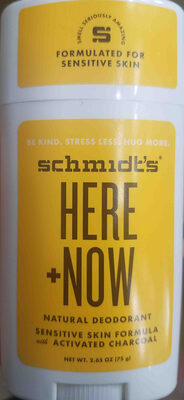
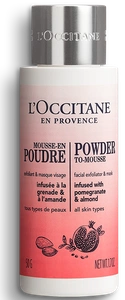
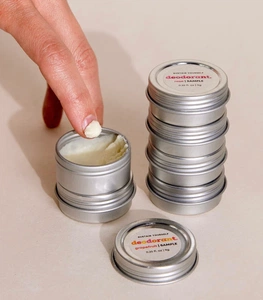
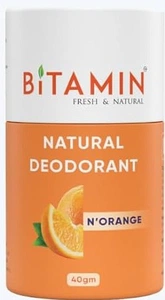
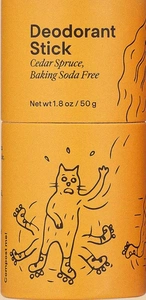
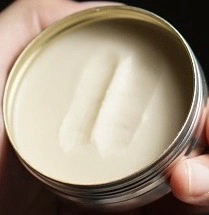
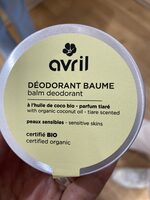
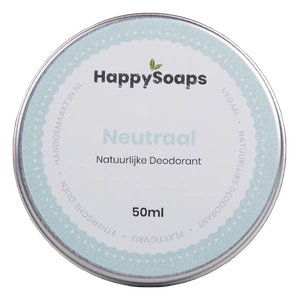
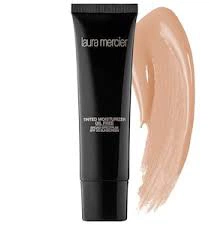
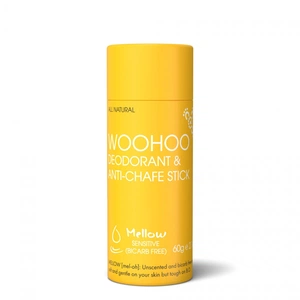
Pregnancy-safe products to use instead
Products built around the safer ingredients above, scored "no known risks" or "low risk".
Sources & references
Authoritative references used to score this ingredient.
Alternativas seguras ao 3-benzylidene camphor na gravidez | VeriMom
Ingredientes — Ingredientes
Veja também
FAQ
- 3-benzylidene camphor é seguro durante a gravidez?
- Authoritative safety review (SCCS, 2013) found multiple in vitro hormonal activities (estrogenic, anti‑estrogenic and anti‑androgenic) and in vivo changes in hormone‑responsive gene expression; SCCS concluded use as a UV filter up to 2% was not safe. ECHA has listed 3‑benzylidene camphor on the REACH Candidate List as an SVHC for endocrine‑disrupting properties and the ingredient is subject to cosmetic prohibitions in EU Annex II. Taken together this supports 'suspected' reproductive/fetal hazard (H=2), demonstrated hormonal mechanisms (M=2) and measurable systemic exposure from topical use (E=2).
- 3-benzylidene camphor é seguro durante a amamentação?
- Same hazard/mechanistic evidence applies (endocrine activity, SCCS concerns; ECHA SVHC listing). Topical cosmetic application can produce measurable systemic levels for lipophilic UV‑filter type compounds, so moderate exposure to the nursing parent (and potential low‑to‑moderate transfer to milk) is plausible though direct milk‑transfer data are lacking; therefore exposure scored as moderate (E=2).
- 3-benzylidene camphor é seguro para a pele do bebê?
- Hazard and mechanism as above (SCCS: endocrine activity; ECHA: SVHC for endocrine disruption). Because infants 0–3 years have an immature skin barrier and higher surface‑area‑to‑body‑weight, exposure score is increased by +1 relative to adult topical exposure (adult E=2 → infant E=3). Infants may therefore be at higher internal exposure and greater sensitivity to hormonal perturbation.
- Como o VeriMom pontua 3-benzylidene camphor?
- O VeriMom pontua 3-benzylidene camphor em 13/100 (risco alto) com base no status EU CosIng, classificações de perigo ECHA e estudos revisados por pares no PubMed. Nosso pipeline de pontuação é totalmente transparente.
- Quais são as alternativas seguras a 3-benzylidene camphor na gravidez?
- Veja nossa lista curada de alternativas seguras a 3-benzylidene camphor com base em função semelhante e classificação sem riscos conhecidos.
Verifique seus próprios cosméticos
Cole a lista de ingredientes de qualquer produto no nosso verificador gratuito e veja cada ingrediente avaliado com base em dados regulatórios da UE e pesquisas revisadas por pares.
Abrir o verificador de ingredientes seguros na gravidezVerifique qualquer rótulo em 2 segundos
Baixe o VeriMom grátis — escaneie qualquer produto e veja a pontuação de segurança na gravidez instantaneamente.
Aviso Médico
Estas informações são apenas para fins educacionais e não constituem aconselhamento médico. As pontuações de segurança são baseadas em dados publicamente disponíveis e podem não refletir todos os riscos. Sempre consulte seu profissional de saúde antes de usar qualquer produto durante a gravidez ou amamentação.