 VeriMom
rhodiola rosea root extract은 임신 중 안전한가요?
Reviewed by VeriMom Editorial Team · Last reviewed
성분
rhodiola rosea root extract
알려진 위험 없음93
/100
0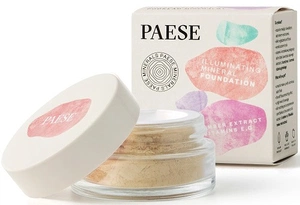
Pregnancy-safe products containing rhodiola rosea root extract
Paese Minerals
Paese Minerals Illuminating Mineral Foundation
99/100
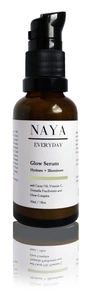
Naya
Naya Everyday Glow Serum
99/100
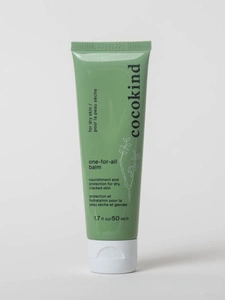
cocokind
Cocokind one-for-all balm
99/100
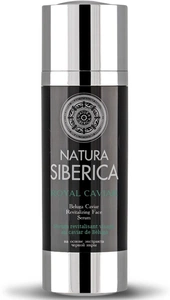
Natura Siberica
Natura Siberica Royal Caviar Revitalizing Face Serum
98/100
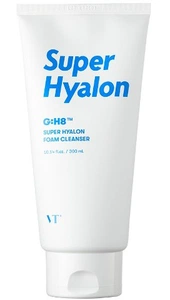
VT Cosmetics
VT Cosmetics Super Hyalon Foam Cleanser
98/100
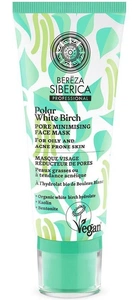
Natura Siberica
Natura Siberica Berëza Siberica Polar White Birch Pore Minimising Face Mask
98/100
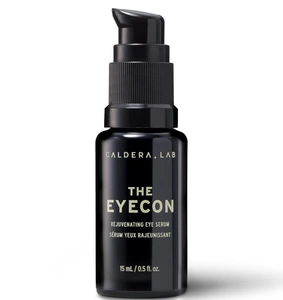
Caldera Lab
Caldera Lab The Eyecon
98/100
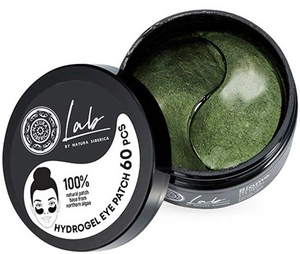
Natura Siberica
Natura Siberica Lab Biome Lifting Hydrogel Eye Patch
98/100
Natura Siberica
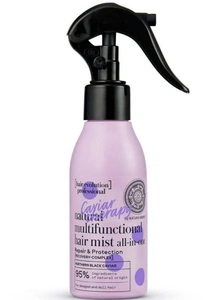
Natura Siberica Hair Evolution Caviar Therapy Natural Multifunctional Hair Mist
98/100
Natura Siberica
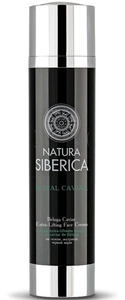
Natura Siberica Royal Caviar Beluga Caviar Extra-Lifting Face Cream
98/100
Related ingredients
더 보기
Sources & references
Authoritative references used to score this ingredient.
Frequently asked questions
- rhodiola rosea root extract은 임신 중 안전한가요?
- No harmonised CLP reproductive classifications found (no H360/H361) and no authoritative safety assessments (CIR/SCCS) indicating reproductive hazard. Peer‑reviewed literature on Rhodiola rosea and major constituents (salidroside/rosavin) does not report clear teratogenicity or human reproductive effects, so hazard and mechanism are scored 0. Topical cosmetic use would be expected to result in low but measurable dermal exposure, so exposure scored 1 (low). Sources: ECHA Annex VI (no harmonised classification), PubMed (no reproductive hazard reports), PubChem/CosIng/ECHA dossiers (no regulatory reproductive flags).
- rhodiola rosea root extract은 모유 수유 중 안전한가요?
- Same rationale as pregnancy: no authoritative or peer‑reviewed evidence of reproductive or lactation toxicity; no harmonised CLP reproductive classification. Dermal topical use implies low measurable exposure; breastfeeding exposure via topical maternal use is likely low. Sources: PubMed, ECHA Annex VI, PubChem, CosIng.
- rhodiola rosea root extract은 아기 피부에 안전한가요?
- No infant‑specific reproductive or developmental toxicity evidence was identified. Mechanistic concerns not demonstrated. Because infant skin has higher absorption and surface‑area‑to‑weight, exposure score is increased: adult topical exposure judged low (1) so infant exposure increased by +1 to 2 (moderate). Sources: PubMed, CosIng, ECHA dossiers, EWG.
- VeriMom은 rhodiola rosea root extract을 어떻게 평가하나요?
- VeriMom은 EU CosIng, ECHA 분류, PubMed 연구를 기반으로 rhodiola rosea root extract을 93/100 (알려진 위험 없음)로 평가합니다.
- 임신 중 rhodiola rosea root extract 대체 안전 성분은?
- 유사한 기능을 가진 알려진 위험이 없는 대체 성분 목록을 확인하세요.
내 화장품을 직접 확인하세요
제품의 전성분 목록을 무료 검사기에 붙여넣으면 EU 규제 데이터와 동료 심사 연구를 바탕으로 각 성분의 점수를 확인할 수 있습니다.
임신 중 안전 성분 검사기 열기모든 성분표를 2초 만에 확인
VeriMom 무료 다운로드 — 어떤 제품이든 스캔해 임신 중 안전 점수를 즉시 확인하세요.
의료 면책 조항
이 정보는 교육 목적으로만 제공되며 의학적 조언을 구성하지 않습니다. 안전 점수는 공개적으로 이용 가능한 데이터를 기반으로 하며 모든 위험을 반영하지 않을 수 있습니다. 임신 중 또는 수유 중 제품을 사용하기 전에 항상 의료 전문가와 상담하십시오.