 VeriMom
0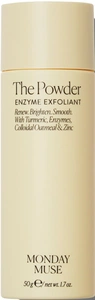
Pregnancy-safe products containing lipase
MONDAY MUSE
MONDAY MUSE The Powder
100/100
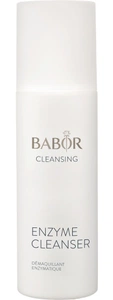
BABOR
BABOR Enzyme Cleansing
99/100
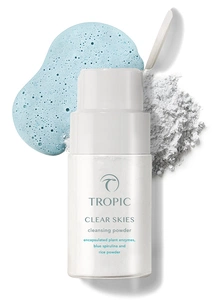
Tropic skincare
Tropic skincare Clear Skies Cleansing Powder
99/100
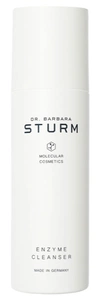
Dr. Barbara Stürm
Dr. Barbara Stürm Enzyme Cleanser
99/100
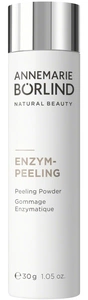
ANNEMARIE BÖRLIND
Annemarie Börlind Peeling Powder
99/100
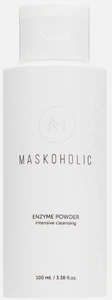
MASKOHOLIC
MASKOHOLIC Enzyme Powder
99/100
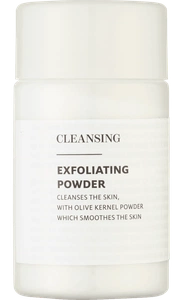
Etos
Etos Exfoliating Powder
99/100
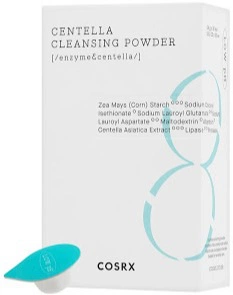
COSRX
COSRX Low Ph Centella Cleansing Powder
99/100
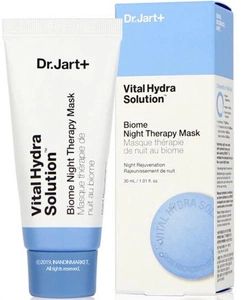
Dr. Jart+
Dr. Jart+ Vital Hydra Solution Biome Night Therapy Mask
98/100
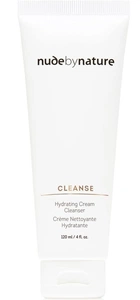
Nude by nature
Nude by nature Hydrating Cream Cleanser
98/100
Related ingredients
더 보기
Sources & references
Authoritative references used to score this ingredient.
Frequently asked questions
- lipase은 임신 중 안전한가요?
- No harmonised CLP reproductive classifications or CIR/SCCS safety assessments identify lipase (CAS 9001-62-1) as a reproductive or teratogenic hazard; ECHA lists the substance as an enzyme registration but no H360/H361 harmonised classification is present. However, SCCS data (Vitamin A opinion) show that topical lipase can rapidly metabolise/alter retinyl palmitate and increase cutaneous bioavailability of co-applied retinoids, so the primary concern is indirect (increasing penetration of other active ingredients) rather than intrinsic reproductive toxicity. ([echa.europa.eu](https://echa.europa.eu/substance-information/-/substanceinfo/100.029.642?utm_source=openai))
- lipase은 모유 수유 중 안전한가요?
- No evidence that lipase itself causes reproductive or lactation-related toxicity or that it is a known human teratogen. Dermally applied enzyme preparations are large protein molecules with negligible systemic absorption in normal cosmetic use, so direct exposure to breastfed infants is unlikely; the main mechanism-based concern is again indirect — lipase can alter penetration/metabolism of co-formulated actives (e.g., retinoids) which are of concern in pregnancy/lactation. No data were found showing lipase partitions into breastmilk or exerts direct effects on lactation. ([echa.europa.eu](https://echa.europa.eu/substance-information/-/substanceinfo/100.029.642?utm_source=openai))
- lipase은 아기 피부에 안전한가요?
- There is no evidence that lipase is a reproductive toxicant for infants. For baby (0–3 yr) skin, absorption/exposure scoring is increased by +1 per your rules because infant skin has a less mature barrier and higher surface-area-to-weight — while lipase is a large enzyme with generally low dermal absorption, infant exposure is plausibly higher than adult. The same indirect-mechanism caveat applies: lipase can metabolise or increase penetration of co-applied actives (SCCS Vitamin A data). No infant-specific toxicity data were identified. ([cirs-group.com](https://www.cirs-group.com/files/bjaxyplqmqyo/content/2022/11/c2965g2xf4zk.pdf?utm_source=openai))
- VeriMom은 lipase을 어떻게 평가하나요?
- VeriMom은 EU CosIng, ECHA 분류, PubMed 연구를 기반으로 lipase을 93/100 (알려진 위험 없음)로 평가합니다.
- 임신 중 lipase 대체 안전 성분은?
- 유사한 기능을 가진 알려진 위험이 없는 대체 성분 목록을 확인하세요.
내 화장품을 직접 확인하세요
제품의 전성분 목록을 무료 검사기에 붙여넣으면 EU 규제 데이터와 동료 심사 연구를 바탕으로 각 성분의 점수를 확인할 수 있습니다.
임신 중 안전 성분 검사기 열기모든 성분표를 2초 만에 확인
VeriMom 무료 다운로드 — 어떤 제품이든 스캔해 임신 중 안전 점수를 즉시 확인하세요.
의료 면책 조항
이 정보는 교육 목적으로만 제공되며 의학적 조언을 구성하지 않습니다. 안전 점수는 공개적으로 이용 가능한 데이터를 기반으로 하며 모든 위험을 반영하지 않을 수 있습니다. 임신 중 또는 수유 중 제품을 사용하기 전에 항상 의료 전문가와 상담하십시오.