 VeriMom
dihydroxyacetone은 임신 중 안전한가요?
Reviewed by VeriMom Editorial Team · Last reviewed
성분
dihydroxyacetone
알려진 위험 없음93
/100
0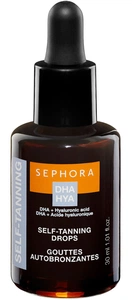
Pregnancy-safe products containing dihydroxyacetone
SEPHORA COLLECTION
SEPHORA COLLECTION Self Tanning Drops
99/100
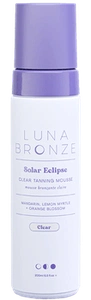
Luna Bronze
Luna Bronze Solar Eclipse Clear Tanning Mousse
99/100
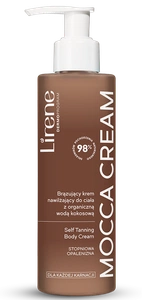
Lirene
Lirene Perfect Tan Self Tanning Body Cream Mocca Cream
98/100
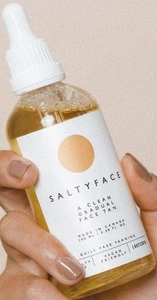
Salty Face
Salty Face Gradual Face Tan
98/100
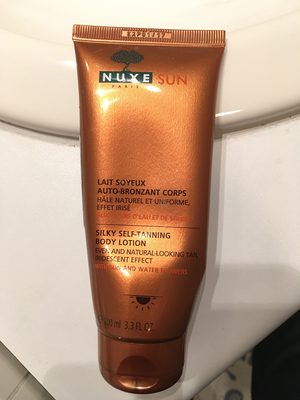
Nuxe
Lait soyeux auto-bronzant corps
98/100
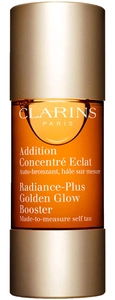
Clarins
Clarins Radiance-Plus Golden Glow Booster For Face
98/100
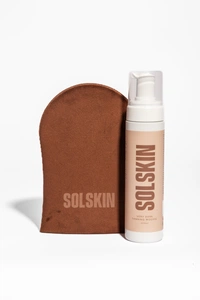
Solskin
Solskin Tanning Mousse
98/100
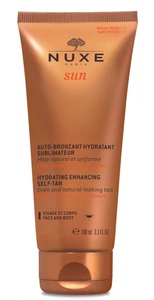
Nuxe
Nuxe Sun Hydrating Enhancing Self Tan
98/100
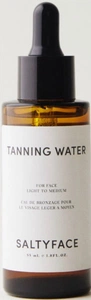
Salty Face
Salty Face Tanning Water
98/100
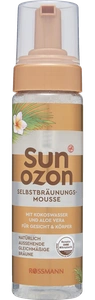
Sun Ozon
Sun Ozon Selbstbräunungs-Mousse
98/100
Related ingredients
더 보기
Sources & references
Authoritative references used to score this ingredient.
Frequently asked questions
- dihydroxyacetone은 임신 중 안전한가요?
- SCCS (final opinion, Mar 4, 2020) concluded DHA is safe for cosmetic leave‑on use up to 6.25% (hair) and up to 10% (self‑tanning/face creams), with no reproductive/pregnancy hazard identified. Published reviews note topical use gives minimal systemic uptake (~0.5%), so systemic exposure in pregnancy is low but measurable. ([health.ec.europa.eu](https://health.ec.europa.eu/publications/dihydroxyacetone-dha-13-dihydroxy-2-propanone-cas-no-96-26-4_en))
- dihydroxyacetone은 모유 수유 중 안전한가요?
- No authoritative classification or evidence of reproductive or lactation hazard; SCCS assessed cosmetic safety and did not flag breastfeeding/lactation risks. Dermal use produces low but measurable systemic levels, so exposure via milk is theoretically possible but not documented. ([health.ec.europa.eu](https://health.ec.europa.eu/publications/dihydroxyacetone-dha-13-dihydroxy-2-propanone-cas-no-96-26-4_en))
- dihydroxyacetone은 아기 피부에 안전한가요?
- No infant‑specific developmental or dermal toxicity data were identified and authoritative reviews (SCCS) did not flag child/infant hazards. Because DHA has measurable dermal absorption in adults (low), baby skin exposure is increased (immature barrier, higher SA:BW), so exposure score is increased by +1 relative to adults. No evidence found to increase hazard or mechanism scores. ([health.ec.europa.eu](https://health.ec.europa.eu/publications/dihydroxyacetone-dha-13-dihydroxy-2-propanone-cas-no-96-26-4_en))
- VeriMom은 dihydroxyacetone을 어떻게 평가하나요?
- VeriMom은 EU CosIng, ECHA 분류, PubMed 연구를 기반으로 dihydroxyacetone을 93/100 (알려진 위험 없음)로 평가합니다.
- 임신 중 dihydroxyacetone 대체 안전 성분은?
- 유사한 기능을 가진 알려진 위험이 없는 대체 성분 목록을 확인하세요.
내 화장품을 직접 확인하세요
제품의 전성분 목록을 무료 검사기에 붙여넣으면 EU 규제 데이터와 동료 심사 연구를 바탕으로 각 성분의 점수를 확인할 수 있습니다.
임신 중 안전 성분 검사기 열기모든 성분표를 2초 만에 확인
VeriMom 무료 다운로드 — 어떤 제품이든 스캔해 임신 중 안전 점수를 즉시 확인하세요.
의료 면책 조항
이 정보는 교육 목적으로만 제공되며 의학적 조언을 구성하지 않습니다. 안전 점수는 공개적으로 이용 가능한 데이터를 기반으로 하며 모든 위험을 반영하지 않을 수 있습니다. 임신 중 또는 수유 중 제품을 사용하기 전에 항상 의료 전문가와 상담하십시오.