 VeriMom
dihydroquercetin은 임신 중 안전한가요?
No harmonised CLP reproductive classifications (no H360/H361) and no CIR or SCCS safety assessment indicating reproductive hazard. Peer‑reviewed literature on taxifolin (dihydroquercetin) reports antioxidant and pharmacologic effects but does not provide evidence of teratogenicity or reproductive toxicity in humans; ECHA entries are registrations/self‑notifications without harmonised reproductive classification. Dermal exposure from cosmetics is expected to be low but measurable based on compound physicochemistry and cosmetic use patterns (PubChem; ECHA registration dossiers; PubMed).
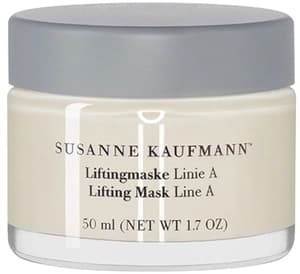
Pregnancy-safe products containing dihydroquercetin
Related ingredients
Frequently asked questions
- dihydroquercetin은 임신 중 안전한가요?
- No harmonised CLP reproductive classifications (no H360/H361) and no CIR or SCCS safety assessment indicating reproductive hazard. Peer‑reviewed literature on taxifolin (dihydroquercetin) reports antioxidant and pharmacologic effects but does not provide evidence of teratogenicity or reproductive toxicity in humans; ECHA entries are registrations/self‑notifications without harmonised reproductive classification. Dermal exposure from cosmetics is expected to be low but measurable based on compound physicochemistry and cosmetic use patterns (PubChem; ECHA registration dossiers; PubMed).
- dihydroquercetin은 모유 수유 중 안전한가요?
- No evidence of reproductive or lactation toxicity or of mechanisms that would specifically target lactation transfer. No harmonised classifications or regulatory warnings for breastfeeding. Systemic exposure from topical use is expected to be low but measurable; transfer into breast milk is not documented in the literature.
- dihydroquercetin은 아기 피부에 안전한가요?
- No infant‑specific reproductive or developmental toxicity data identified. Hazard and mechanistic evidence for developmental effects are absent. Exposure score increased for baby skin because infant/young child skin has higher surface‑area‑to‑weight and a less mature barrier, so low/measurable adult dermal absorption is plausibly higher in infants (PubChem; ECHA registration dossiers; PubMed).
- VeriMom은 dihydroquercetin을 어떻게 평가하나요?
- VeriMom은 EU CosIng, ECHA 분류, PubMed 연구를 기반으로 dihydroquercetin을 93/100 (알려진 위험 없음)로 평가합니다.
- 임신 중 dihydroquercetin 대체 안전 성분은?
- 유사한 기능을 가진 알려진 위험이 없는 대체 성분 목록을 확인하세요.
모든 성분표를 2초 만에 확인
VeriMom 무료 다운로드 — 어떤 제품이든 스캔해 임신 중 안전 점수를 즉시 확인하세요.
의료 면책 조항
이 정보는 교육 목적으로만 제공되며 의학적 조언을 구성하지 않습니다. 안전 점수는 공개적으로 이용 가능한 데이터를 기반으로 하며 모든 위험을 반영하지 않을 수 있습니다. 임신 중 또는 수유 중 제품을 사용하기 전에 항상 의료 전문가와 상담하십시오.