 VeriMom
acetyl cysteine은 임신 중 안전한가요?
No harmonised reproductive classification in ECHA Annex VI and no SCCS/CIR finding of reproductive hazard; clinical/poison-center literature shows NAC (acetylcysteine) is used systemically in pregnancy (e.g., overdose) without convincing human teratogenic signal, so no evidence of reproductive hazard (sources: ECHA Annex VI no CLP reproduction hazard, PubMed clinical literature, PubChem safety summaries). Topical cosmetic use would give low but measurable systemic exposure for a small, water-soluble molecule, so exposure scored as 1.
성분
acetyl cysteine
알려진 위험 없음93
/100
0





Pregnancy-safe products containing acetyl cysteine
111SKIN
111SKIN Vitamin C Brightening Booster
98/100
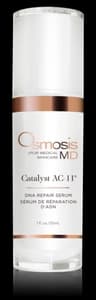
OsmosisMD
OsmosisMD Catalyst AC-11- DNA Repair
98/100
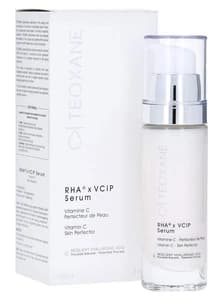
Teoxane
Teoxane RHA® x VCIP Serum
97/100
Poems From The Lab
Poems From The Lab Future Focus Vitamin C Serum
96/100
111SKIN
111SKIN Celestial Black Diamond Contour Gel
96/100
Allies of Skin
Allies of Skin 20% Vitamin C Brighten And Firm Serum
96/100
111SKIN
111SKIN Space Defence Bright Eye Lift Gel
96/100
AnteAGE
AnteAGE Eye Cream
87/100
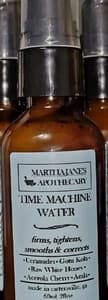
Martha-Jane's Apothecary
Martha-Jane's Apothecary Time Machine Water
87/100
Autumn
Autumn 5x Cera-hya Toner
86/100
Related ingredients
Frequently asked questions
- acetyl cysteine은 임신 중 안전한가요?
- No harmonised reproductive classification in ECHA Annex VI and no SCCS/CIR finding of reproductive hazard; clinical/poison-center literature shows NAC (acetylcysteine) is used systemically in pregnancy (e.g., overdose) without convincing human teratogenic signal, so no evidence of reproductive hazard (sources: ECHA Annex VI no CLP reproduction hazard, PubMed clinical literature, PubChem safety summaries). Topical cosmetic use would give low but measurable systemic exposure for a small, water-soluble molecule, so exposure scored as 1.
- acetyl cysteine은 모유 수유 중 안전한가요?
- No evidence of reproductive/lactation hazard or harmonised classification. Systemically administered NAC is used clinically and is not established as a lactation hazard; for topical cosmetic use systemic absorption is expected to be low but measurable, so exposure scored as 1 (sources: PubMed clinical use of NAC, PubChem; no ECHA Annex VI reproduction flags).
- acetyl cysteine은 아기 피부에 안전한가요?
- No infant-specific reproductive/dermal toxicity data or harmonised classification indicating hazard. Because N‑acetylcysteine is a small, water‑soluble molecule with likely measurable dermal absorption in adults (adult e=1), the immature barrier and higher surface‑area‑to‑weight in infants justify increasing exposure by +1 (baby e=2). No infant-specific mechanistic or hazard evidence identified (sources: CosIng/PubChem summaries, PubMed literature; ECHA Annex VI lacks reproduction classification).
- VeriMom은 acetyl cysteine을 어떻게 평가하나요?
- VeriMom은 EU CosIng, ECHA 분류, PubMed 연구를 기반으로 acetyl cysteine을 93/100 (알려진 위험 없음)로 평가합니다.
- 임신 중 acetyl cysteine 대체 안전 성분은?
- 유사한 기능을 가진 알려진 위험이 없는 대체 성분 목록을 확인하세요.
모든 성분표를 2초 만에 확인
VeriMom 무료 다운로드 — 어떤 제품이든 스캔해 임신 중 안전 점수를 즉시 확인하세요.
의료 면책 조항
이 정보는 교육 목적으로만 제공되며 의학적 조언을 구성하지 않습니다. 안전 점수는 공개적으로 이용 가능한 데이터를 기반으로 하며 모든 위험을 반영하지 않을 수 있습니다. 임신 중 또는 수유 중 제품을 사용하기 전에 항상 의료 전문가와 상담하십시오.