 VeriMom
HIGH RISK
임신 중 dipropylene glycol salicylate을 피해야 할까요? | VeriMom
Reviewed by VeriMom Editorial Team · Last reviewed
ECHA regulatory hazard statements
- •H361
What to use instead
Pregnancy-safe ingredients that serve a similar function:
Pregnancy-safe products to use instead
Products built around the safer ingredients above, scored "no known risks" or "low risk".
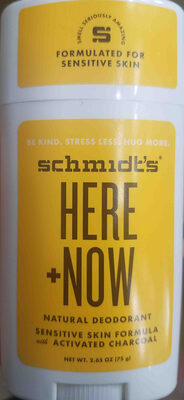
Unknown
100schmidts here now
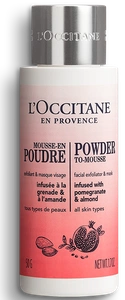
L'Occitane
100L´Occitane Powder To-mousse Facial Exfoliator
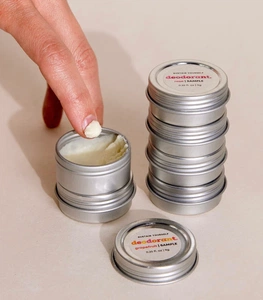
Sustain Yourself
100Sustain Yourself Natural Deodorant
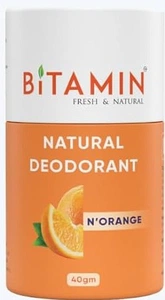
Bitamin
100Bitamin Natural Deodorant N'orange
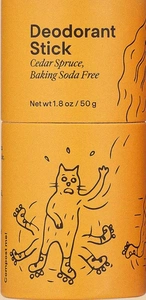
Mew mew tweet
100Mew mew tweet Cedar Spruce Baking Soda Free
Avero
100Avero Solid Deodorant
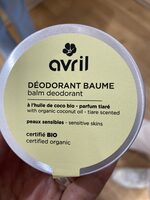
Avril
99Déodorant baume
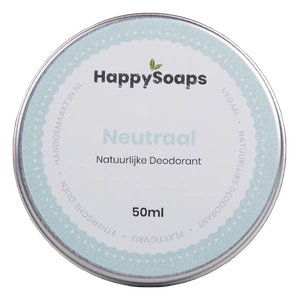
HappySoaps
99Happysoaps Neutraal
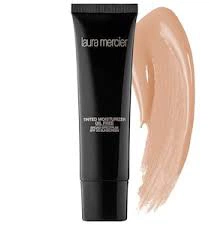
Laura Mercier
99Laura Mercier Tinted Moisturizer Broad Spectrum Spf 20 - Oil Free
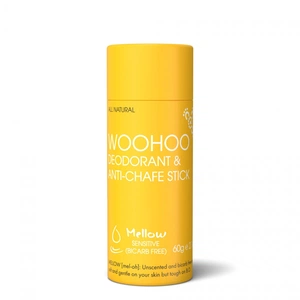
Woohoo
99Woohoo Deodorant & Anti-Chafe Stick
Sources & references
Authoritative references used to score this ingredient.
임신 중 dipropylene glycol salicylate 대체 안전 성분 | VeriMom
성분 — 성분
더 보기
FAQ
- dipropylene glycol salicylate은 임신 중 안전한가요?
- No evidence of a harmonised CLP H360 or an EU Annex II/III restriction for dipropylene glycol salicylate was found (no EU ban/restriction). Several safety sources treat it as an ester of salicylic acid; the CIR assessment of salicylic acid/salicylates and government reviews report reproductive/developmental effects only at relatively high systemic doses in animals, not from topical cosmetic use. Some SDSs list H361 but these appear to be company self-classifications rather than a harmonised ECHA classification. Given the structural link to salicylic acid (structural/class-based concern) but absence of harmonised classification or robust reproductive studies on this exact compound, I assign a conservative h=1 (structural/class concern), m=1 (theoretical/mechanistic plausibility via ester → salicylate), e=1 (low but measurable dermal exposure for typical cosmetic use). Sources: PubChem, CIR salicylates review, Canada draft screening (salicylates), EWG, manufacturer/SDS notes.
- dipropylene glycol salicylate은 모유 수유 중 안전한가요?
- Same rationale as pregnancy: no direct harmonised reproductive classification or authoritative restriction for this specific ester, but it is an ester of salicylic acid which can be systemically active after absorption/hydrolysis. Dermal cosmetic use is expected to give low but measurable maternal systemic exposure in normal use; transfer into breastmilk would be contingent on maternal systemic levels. Conservative approach: same scores as pregnancy.
- dipropylene glycol salicylate은 아기 피부에 안전한가요?
- Hazard (h) and mechanism (m) unchanged — no infant-specific reproductive/developmental data; however exposure (e) increased by +1 because infant skin (0–3 y) has higher surface-area-to-body-weight and an immature barrier, so measured dermal absorption for the parent compound would translate to higher internal exposure in infants. There is no evidence that infant topical use has produced harm for this specific ingredient, but prudence supports increased exposure score for baby skin.
- VeriMom은 dipropylene glycol salicylate을 어떻게 평가하나요?
- VeriMom은 EU CosIng, ECHA 분류, PubMed 연구를 기반으로 dipropylene glycol salicylate을 27/100 (높은 위험)로 평가합니다.
- 임신 중 dipropylene glycol salicylate 대체 안전 성분은?
- 유사한 기능을 가진 알려진 위험이 없는 대체 성분 목록을 확인하세요.
내 화장품을 직접 확인하세요
제품의 전성분 목록을 무료 검사기에 붙여넣으면 EU 규제 데이터와 동료 심사 연구를 바탕으로 각 성분의 점수를 확인할 수 있습니다.
임신 중 안전 성분 검사기 열기모든 성분표를 2초 만에 확인
VeriMom 무료 다운로드 — 어떤 제품이든 스캔해 임신 중 안전 점수를 즉시 확인하세요.
의료 면책 조항
이 정보는 교육 목적으로만 제공되며 의학적 조언을 구성하지 않습니다. 안전 점수는 공개적으로 이용 가능한 데이터를 기반으로 하며 모든 위험을 반영하지 않을 수 있습니다. 임신 중 또는 수유 중 제품을 사용하기 전에 항상 의료 전문가와 상담하십시오.