 VeriMom
ECHA regulatory hazard statements
- •H361
Products containing cupric chloride — check your shelf
These products list cupric chloride on their INCI. If one is in your routine, consider swapping it during pregnancy.
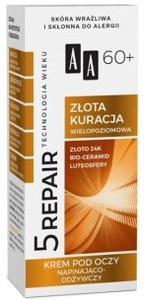
AA
36AA Age Technology 5 Repair Eye Cream 60+
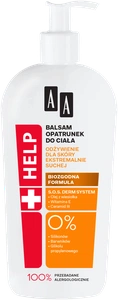
AA
36AA Odżywczy Balsam Dla Ekstremalnie Suchej Skóry
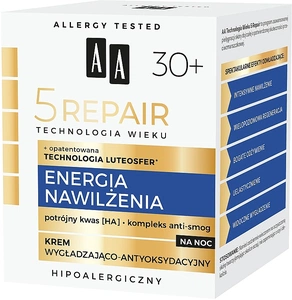
AA Cosmetics
35AA Cosmetics Age Technology 5 Repair Moisturizing And Energizing Night Cream 30+
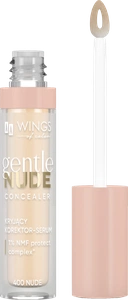
AA
35AA Wings Of Color Gentle Nude Concealer
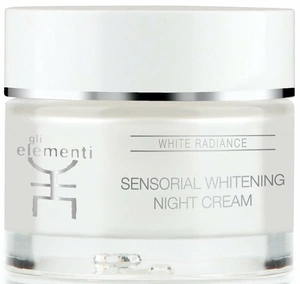
Gli Elementi
35Gli Elementi Sensorial Whitening Night Cream
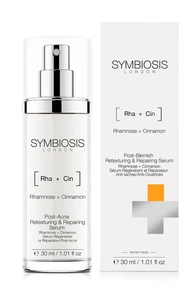
Symbiosis London
35Symbiosis London Rhamnose + Cinnamon - Post-Blemish Retexturing & Repairing Serum
AA
35AA Golden Ceramides Elixir Of Youth
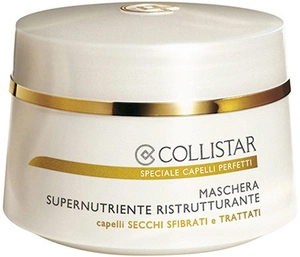
Collistar
35Collistar Supernourishing Restorative Mask
Collistar
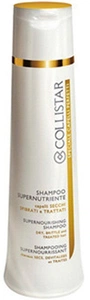
35Collistar Supernourishing Shampoo
Kruidvat
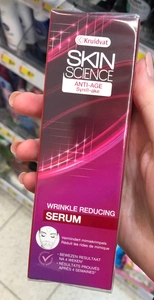
35Kruidvat Skin Science Anti Age Wrinkle Reducing Serum
What to use instead
Pregnancy-safe ingredients that serve a similar function:
Pregnancy-safe products to use instead
Products built around the safer ingredients above, scored "no known risks" or "low risk".
Unknown
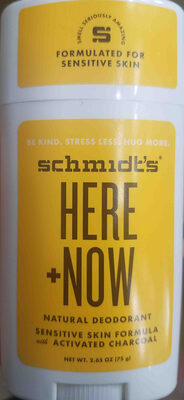
100schmidts here now
L'Occitane
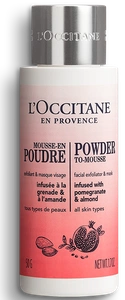
100L´Occitane Powder To-mousse Facial Exfoliator
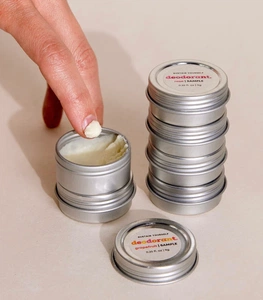
Sustain Yourself
100Sustain Yourself Natural Deodorant
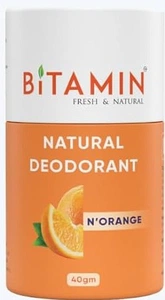
Bitamin
100Bitamin Natural Deodorant N'orange
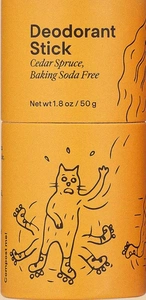
Mew mew tweet
100Mew mew tweet Cedar Spruce Baking Soda Free
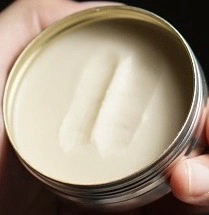
Avero
100Avero Solid Deodorant
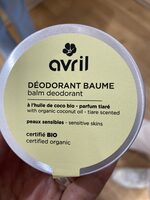
Avril
99Déodorant baume
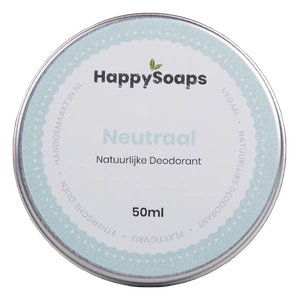
HappySoaps
99Happysoaps Neutraal
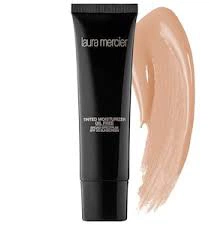
Laura Mercier
99Laura Mercier Tinted Moisturizer Broad Spectrum Spf 20 - Oil Free
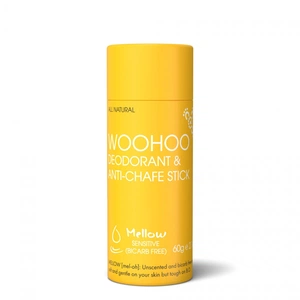
Woohoo
99Woohoo Deodorant & Anti-Chafe Stick
Sources & references
Authoritative references used to score this ingredient.
임신 중 cupric chloride 대체 안전 성분 | VeriMom
성분 — 성분
더 보기
FAQ
- cupric chloride은 임신 중 안전한가요?
- ECHA lists cupric (copper(II)) chloride (CAS 7447-39-4) with a harmonised classification including H361 (suspected of damaging fertility or the unborn child), which supports a hazard score of 2. Peer‑reviewed studies show mechanistic plausibility for copper‑mediated placental/embryonic injury (e.g., placental ‘cuproptosis’ and other reproductive effects in animal studies), supporting a mechanism score of 2. For typical topical cosmetic use dermal absorption of dissolved copper ions is low but not negligible, so exposure from cosmetics is scored as 1. (Sources: ECHA brief profile; PubMed studies on copper and placental/reproductive effects).
- cupric chloride은 모유 수유 중 안전한가요?
- Harmonised H361 classification (ECHA) indicates suspected reproductive/developmental hazard, so h=2. Mechanistic evidence for copper affecting placental/early development supports m=2. For topical use, systemic absorption is expected to be low but measurable (e=1); parenteral/medicinal forms of copper note caution in nursing in product labeling, but there is no high‑quality human milk transfer data for cosmetic topical use.
- cupric chloride은 아기 피부에 안전한가요?
- Hazard (h=2) and mechanism (m=2) are not increased in the absence of infant‑specific toxicity data, but exposure (e) is increased by +1 for 0–3 y skin because infant skin has higher surface‑area‑to‑weight and an immature barrier; therefore e=2. There is no specific evidence that cosmetic topical use of cupric chloride causes infant developmental effects, but the harmonised classification and copper reproductive biology motivate caution.
- VeriMom은 cupric chloride을 어떻게 평가하나요?
- VeriMom은 EU CosIng, ECHA 분류, PubMed 연구를 기반으로 cupric chloride을 20/100 (높은 위험)로 평가합니다.
- 임신 중 cupric chloride 대체 안전 성분은?
- 유사한 기능을 가진 알려진 위험이 없는 대체 성분 목록을 확인하세요.
내 화장품을 직접 확인하세요
제품의 전성분 목록을 무료 검사기에 붙여넣으면 EU 규제 데이터와 동료 심사 연구를 바탕으로 각 성분의 점수를 확인할 수 있습니다.
임신 중 안전 성분 검사기 열기모든 성분표를 2초 만에 확인
VeriMom 무료 다운로드 — 어떤 제품이든 스캔해 임신 중 안전 점수를 즉시 확인하세요.
의료 면책 조항
이 정보는 교육 목적으로만 제공되며 의학적 조언을 구성하지 않습니다. 안전 점수는 공개적으로 이용 가능한 데이터를 기반으로 하며 모든 위험을 반영하지 않을 수 있습니다. 임신 중 또는 수유 중 제품을 사용하기 전에 항상 의료 전문가와 상담하십시오.