 VeriMom
Hamilelikte retinyl rice branate kullanmaktan kaçınmalı mıyım? | VeriMom
Reviewed by VeriMom Editorial Team · Last reviewed
What to use instead
Pregnancy-safe ingredients that serve a similar function:
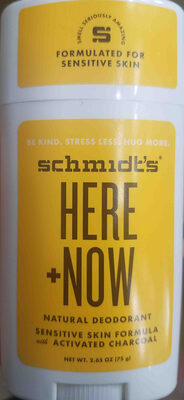
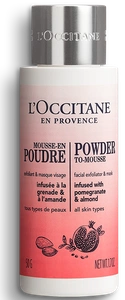
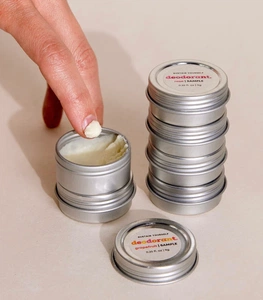
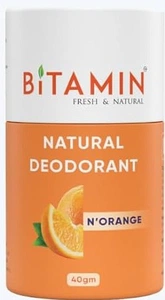
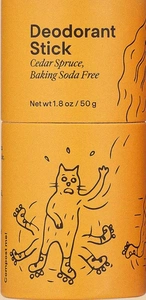
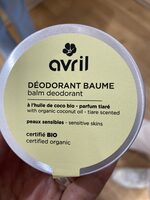
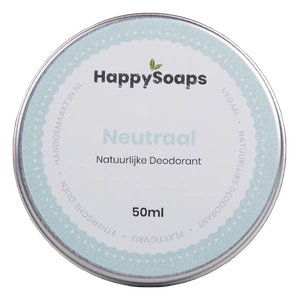
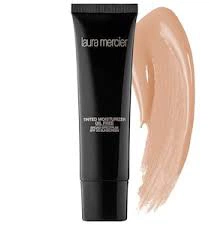
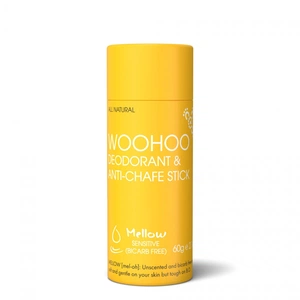
Pregnancy-safe products to use instead
Products built around the safer ingredients above, scored "no known risks" or "low risk".
Sources & references
Authoritative references used to score this ingredient.
Hamilelikte retinyl rice branate yerine kullanılabilecek güvenli alternatifler | VeriMom
İçerikler — İçerikler
Ayrıca bakın
FAQ
- retinyl rice branate hamilelikte güvenli mi?
- No regulatory ban or harmonised CMR classification was found for “retinyl rice branate” specifically, but it is a retinyl ester (class-based concern). The SCCS/European regulatory activity has restricted certain retinyl esters (retinol, retinyl acetate, retinyl palmitate) in cosmetics (Annex III) because of vitamin A systemic exposure concerns, supporting a class‑based caution. Skin esterases are demonstrated to hydrolyse retinyl esters to retinol (human skin study: ~44% of absorbed retinyl palmitate hydrolysed), so a demonstrated conversion mechanism to retinol/retinoic acid exists. Topical absorption of retinyl esters is low-to-measurable (hence exposure scored 1). Sources: SCCS opinion and Commission regulation; human skin esterase study (PubMed).
- retinyl rice branate emzirirken güvenli mi?
- Same rationale as pregnancy: no specific harmonised classification or EU ban for this named ingredient, but it is a retinyl ester that can be hydrolysed to retinol; systemic vitamin A exposure is the relevant concern for lactation. Topical absorption is low but measurable, so maternal transfer into breastmilk is possible in principle but not specifically documented for this compound.
- retinyl rice branate bebek cildi için güvenli mi?
- Baby skin has higher risk from topical absorptive exposure. Per your instructions, exposure (e) is increased by +1 for infants when measurable absorption exists; because retinyl esters are hydrolysed and are absorbed to a measurable extent, infant exposure is scored higher. Hazard (h) remains class‑based (retinyl ester) rather than confirmed harmonised CMR, so h=1; mechanism remains demonstrated hydrolysis to retinol/retinoic pathways.
- VeriMom retinyl rice branate nasıl puanlıyor?
- VeriMom retinyl rice branate'yi EU CosIng, ECHA sınıflandırmaları ve PubMed çalışmalarına göre 13/100 (yüksek risk) olarak puanlar.
- Hamilelikte retinyl rice branate yerine neler kullanılabilir?
- Benzer işlevli ve bilinen riski olmayan alternatifleri içeren listemize bakın.
Kendi cilt bakım ürünlerini kontrol et
Herhangi bir ürünün içindekiler listesini ücretsiz kontrol aracımıza yapıştır ve her bileşeni AB düzenleyici verileri ve hakemli araştırmalara göre puanlanmış olarak gör.
Gebelikte güvenli içerik denetleyicisini açHer etiketi 2 saniyede kontrol et
VeriMom'u ücretsiz indirin — herhangi bir ürünü tarayın ve hamilelik güvenlik puanını anında görün.
Tıbbi Sorumluluk Reddi
Bu bilgiler yalnızca eğitim amaçlıdır ve tıbbi tavsiye niteliği taşımaz. Güvenlik puanları kamuya açık verilere dayanmaktadır ve tüm riskleri yansıtmayabilir. Hamilelik veya emzirme döneminde herhangi bir ürünü kullanmadan önce her zaman sağlık uzmanınıza danışın.